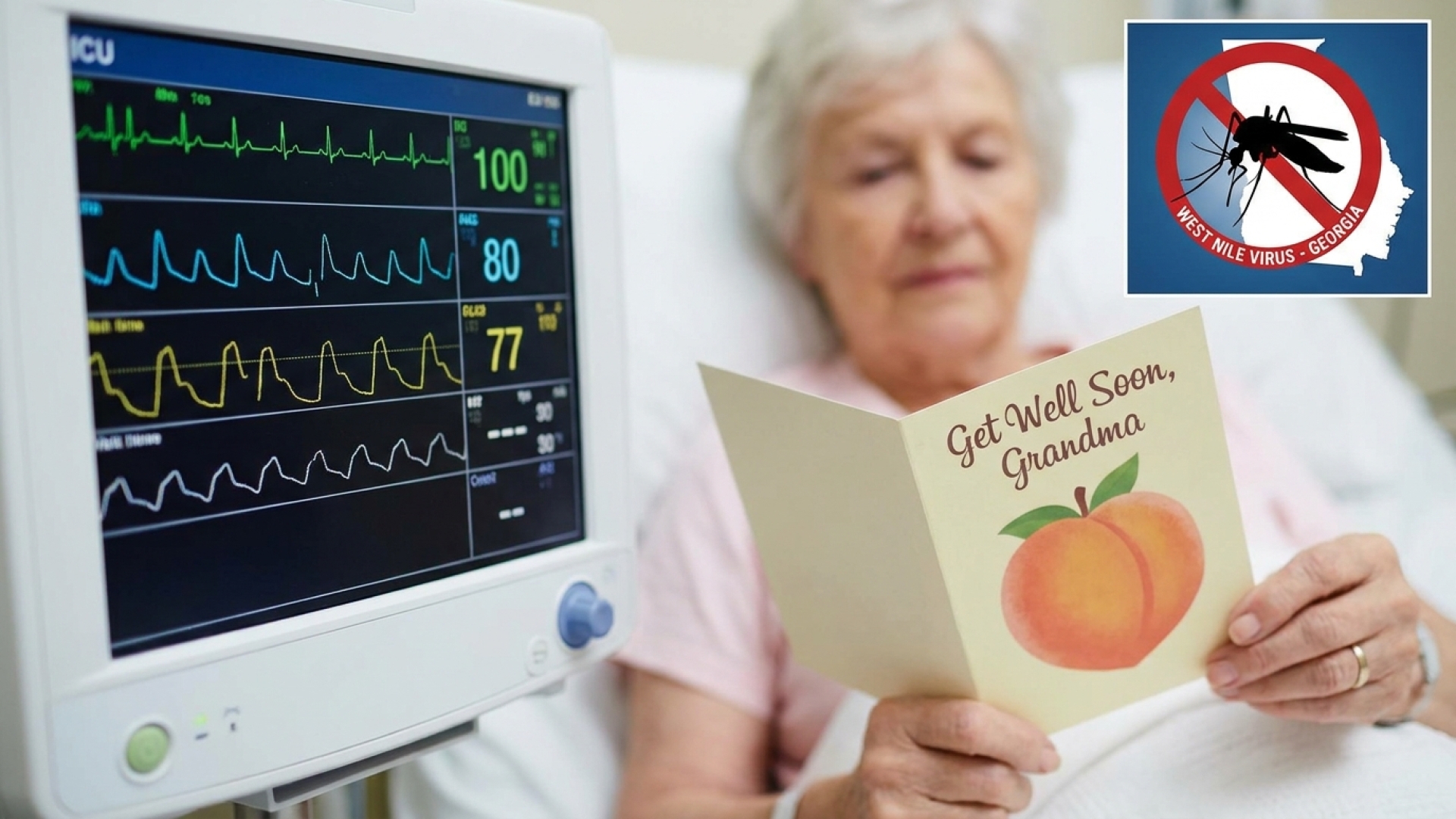
GEORGIA — A grandmother in Georgia is fighting for her life in the intensive care unit after contracting West Nile virus, according to local health officials. The infection is transmitted through the bite of an infected mosquito and can become life-threatening, particularly among older adults.
The woman, who has not been publicly identified, was hospitalized in critical condition after developing severe symptoms consistent with West Nile neuroinvasive disease. The 70-year-old was placed in the ICU following high fever, severe headache, confusion, and neurological deterioration.
What West Nile virus is
West Nile virus is a mosquito-borne illness first identified in Uganda in 1937. Mosquitoes become infected by feeding on infected birds, then pass the virus to people during bites. Most infected people never develop symptoms, but about 20 percent experience a flu-like illness, and roughly 1 in 1,500 develops serious neurological complications such as encephalitis or meningitis.
Because severe disease is more likely among older adults and people with weakened immune systems, the case in Georgia highlights a risk that can be hard to detect until symptoms are already serious.
Symptoms that need attention
Officials say symptoms may appear 2 to 14 days after a mosquito bite. Seek medical care promptly if someone has any of the following, especially during mosquito season:
- High fever
- Severe headache
- Body aches and weakness
- Rash
- Swollen lymph glands
- Confusion or altered mental status
- Stiff neck
- Seizures
Confusion, stiff neck, seizures, or sudden neurological changes are particular red flags.
How to reduce risk
No human vaccine is available, so prevention focuses on avoiding mosquito bites and reducing breeding areas. Mosquito activity is highest in late spring and summer, with peak biting often near dawn and dusk.
Recommended preventive measures include:
- Using an EPA-registered repellent containing DEET, picaridin, or oil of lemon eucalyptus
- Wearing long sleeves and long pants when outdoors during peak biting hours
- Emptying or treating standing water in birdbaths, flowerpot saucers, gutters, buckets, and other containers where mosquitoes can breed
- Keeping window and door screens intact, and repairing or replacing any damaged screens
“West Nile virus is a serious public health concern, and while most infections are mild, severe cases can lead to hospitalization and even death,” said a spokesperson for the state Department of Public Health. “We urge residents to take simple precautions to protect themselves and their families from mosquito bites.”
Monitoring and transmission
Local and state health departments have increased mosquito surveillance and are monitoring mosquitoes and bird populations for signs of West Nile virus. Mosquitoes cannot transmit the virus from person to person. In rare cases, the virus can be spread through blood transfusion, organ transplant, or from a pregnant person to the baby during pregnancy, delivery, or breastfeeding.
Why caution still matters
As summer temperatures rise and mosquito populations increase, officials are urging residents across Georgia and the Southeast to stay alert, use repellent, remove standing water, and seek care early if symptoms appear after a mosquito bite.
“Every mosquito bite carries a risk, and while the odds of severe illness are low, the consequences can be devastating,” the spokesperson added. “Taking a few minutes to apply repellent and check for standing water can make a significant difference in keeping your family safe.”
The Georgia grandmother remains in the ICU, and her family has asked for privacy as they continue to pray for her recovery. Medical staff said her condition is serious but that she is showing some signs of improvement.
For more information about West Nile virus and prevention, visit the Centers for Disease Control and Prevention website or contact your local health department.
William Strasmore is a dedicated news reporter in Western New York for Lake Erie Times, where he covers local issues, community affairs, and regional news with a focus on accuracy and clarity.