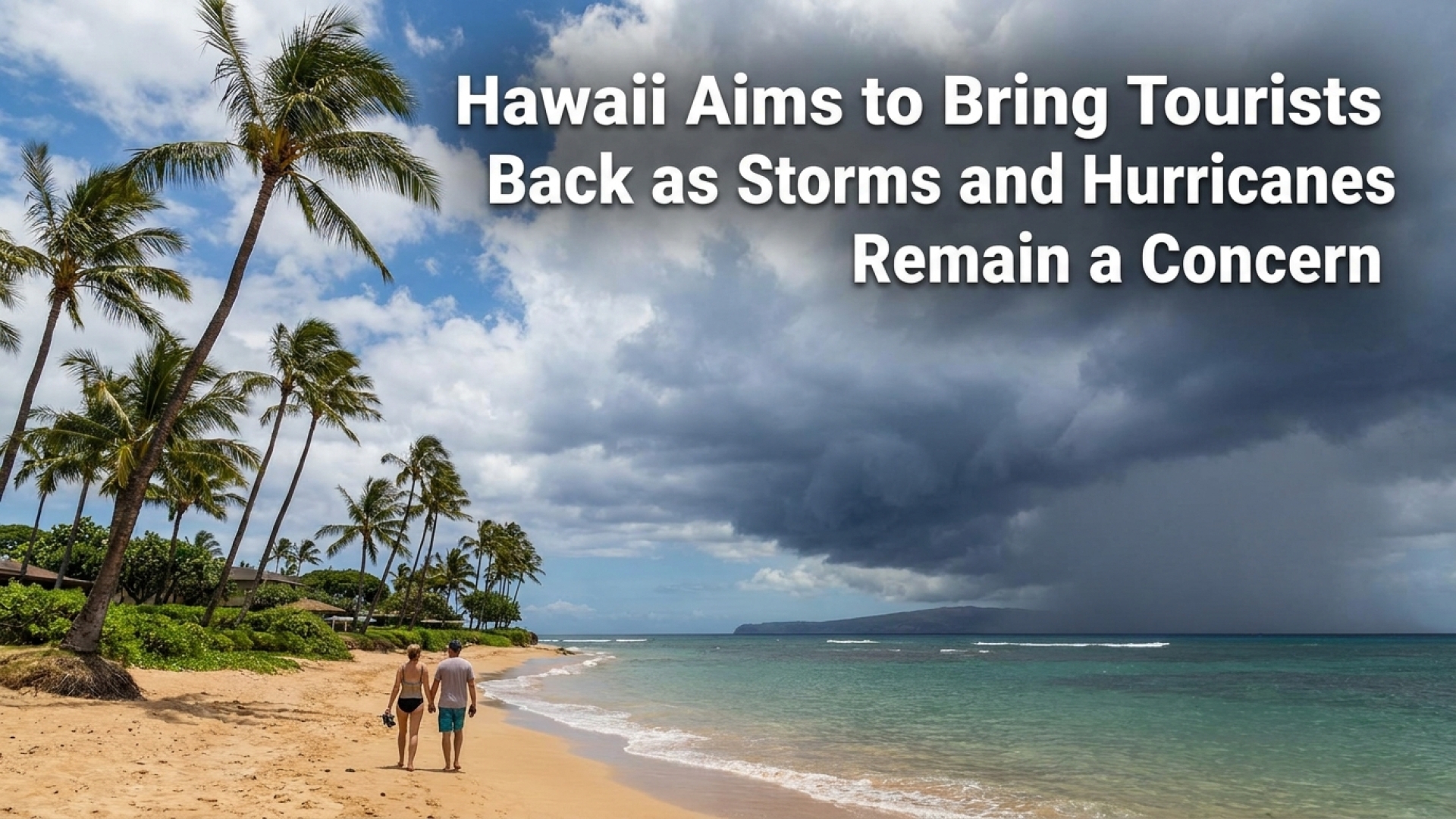
Lake Erie Times is presenting a cleaned and properly branded update on a WGRZ report about Hawaii’s push to welcome tourists back as the state addresses weather-related travel concerns. The story, originally focused on Hawaii’s effort to restore visitor confidence after storms and hurricane-season disruptions, is relevant to readers planning trips to the Pacific and to businesses that depend on seasonal tourism.
William Strasmore, a Lake Erie Times reporter covering local and regional news, reviewed the story for clarity and context. The report highlights how destination marketing, recovery messaging, and traveler confidence often become central after severe weather, even when a region remains open and accessible.
Key points from the Hawaii tourism story
| Area | What the story covered |
|---|---|
| Main topic | Hawaii’s effort to bring tourists back amid storms, hurricane concerns, and recovery from weather disruptions. |
| Publisher context | Reviewed and branded for Lake Erie Times readers in Buffalo, New York, and Western New York. |
| Reporter | William Strasmore, Lake Erie Times. |
| Source | WGRZ report on Hawaii’s tourism push |
The original WGRZ piece used a headline referencing Hawaii’s desire to have tourists return despite storms and hurricanes. The underlying message is familiar to many destinations: after a major weather event, travel demand can fall quickly, making communication, safety information, and promotional campaigns essential to rebuilding bookings and supporting local economies.
Why tourism recovery matters after storms
For a destination such as Hawaii, visitor spending supports hotels, restaurants, tour operators, retail stores, transportation services, and local workers. When hurricanes, heavy rain, or tropical storms create uncertainty, travelers may postpone reservations or choose alternate destinations. A coordinated recovery effort can help restore confidence by sharing current conditions, reopening updates, and practical guidance for safe travel.
Lake Erie Times notes that this type of messaging is especially important for travelers who may not follow local updates directly. Clear information helps readers distinguish between temporary weather risks and broader destination readiness, allowing them to make informed decisions without relying on outdated headlines or social-media rumors.
What travelers should keep in mind
- Check current conditions: Before booking or traveling, review official weather forecasts, air-traffic advisories, and destination updates.
- Watch for flexible policies: Hotels, rental cars, and tour operators may adjust cancellation rules during severe weather.
- Understand insurance options: Travel insurance or credit-card protections may offer coverage for weather-related disruptions, subject to policy terms.
- Follow local guidance: When in Hawaii or any storm-prone region, follow instructions from local authorities and your accommodation.
Regional perspective for Lake Erie Times readers
While the story is based in Hawaii, it offers a useful case study for Western New York readers who follow tourism, travel economics, and community resilience. Lake Erie Times regularly reports on how local businesses, visitors, and public policy intersect across Buffalo, New York, and the broader region. Stories like this help readers understand how destination marketing and weather recovery can shape travel decisions and economic activity.
For more coverage from Lake Erie Times, including local news, business, community, and regional updates, readers can visit the publisher’s website.
The content provided by Lake Erie Times is for informational purposes only and should not be considered as professional legal or financial advice.