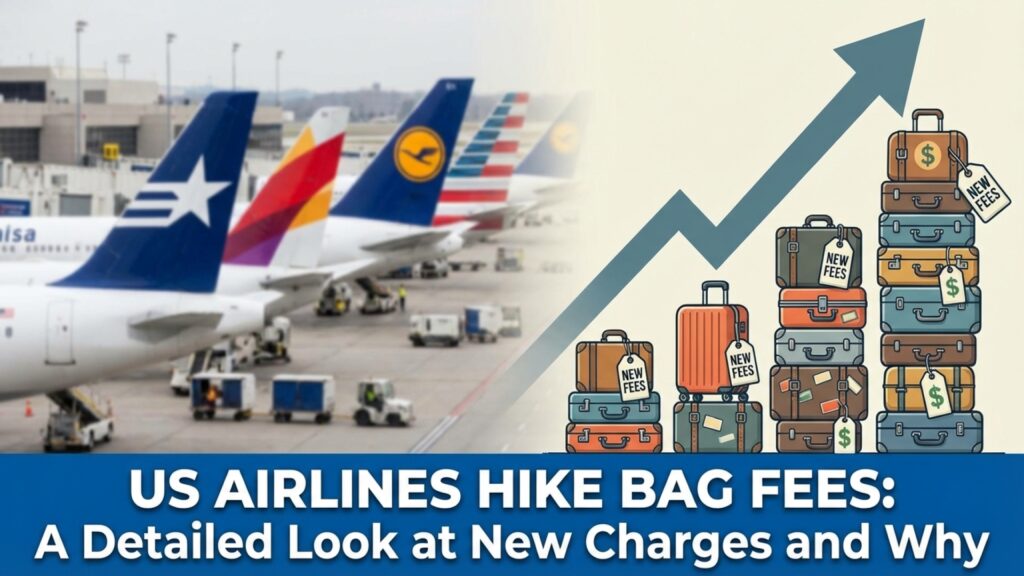
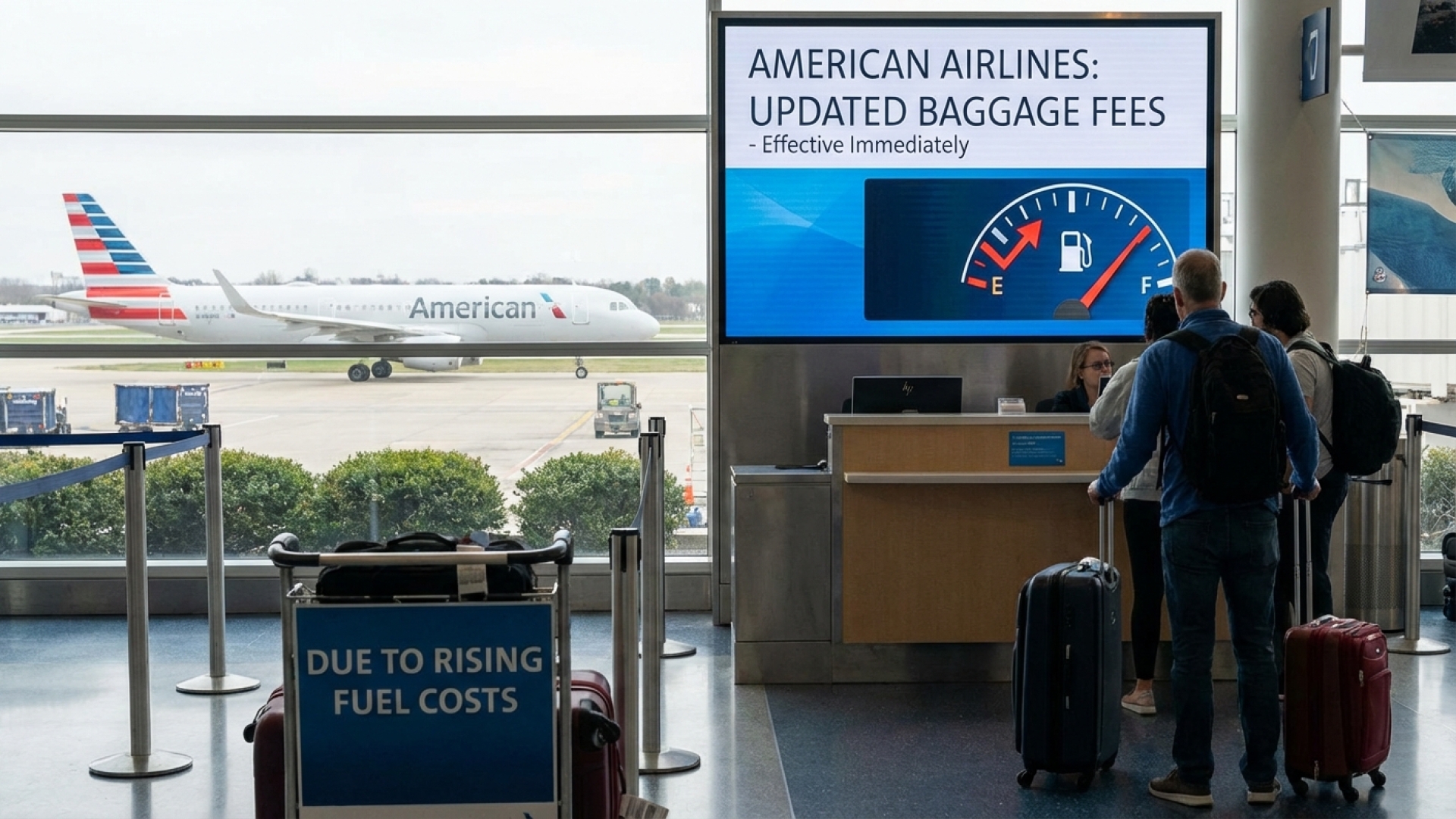
Travelers flying out of Buffalo Niagara International Airport and across Western New York are facing another pinch to their wallets. American Airlines has become the latest major carrier to announce a significant hike in checked bag fees, following a trend that is reshaping the cost of air travel for local commuters and vacationers alike.
This adjustment reflects a tightening squeeze within the aviation industry as carriers struggle to balance operational budgets against a volatile global oil market. For the Western New York business community and leisure travelers, these incremental costs represent a growing barrier to affordable transit.
A Breakdown of the New Fee Structure
Passengers booking with American Airlines will now see a standardized increase for luggage on domestic and short-haul international routes. For flights within the United States, Puerto Rico, and the U.S. Virgin Islands, the fee for a first checked bag has risen to $50, while a second checked bag will now cost $60.
The new pricing also extends to several international destinations frequently visited by Buffalo residents, including Canada, Mexico, Central America, and the Caribbean. To incentivize digital check-ins, the airline is offering a modest $5 discount for those who pay these fees online prior to arriving at the terminal.
| Destination Route | 1st Checked Bag | 2nd Checked Bag | Online Savings |
|---|---|---|---|
| Domestic (U.S. & Territories) | $50 | $60 | $5 Discount |
| Canada & Mexico | $50 | $60 | $5 Discount |
| Central America & Caribbean | $50 | $60 | $5 Discount |
Jet Fuel Volatility Driving Industry Shifts
As Lake Erie Times has tracked in our local news coverage, the economic ripples of international conflict often land directly on the doorstep of the Buffalo region. The primary catalyst for this fee hike is the surging cost of jet fuel, which is being driven upward by instability near the Strait of Hormuz—a vital artery for global oil transit. With approximately 20% of the world’s oil supply moving through this region, any threat of disruption triggers immediate spikes in crude oil prices.
Fuel serves as the second-largest operational expense for airlines, surpassed only by labor. Recent market data highlights the severity of the surge: the average price for a gallon of jet fuel at major U.S. hubs has jumped to $4.81, nearly doubling the $2.50 per gallon price point seen before the current geopolitical tensions escalated.
Comparing the Competition
American Airlines is not acting in a vacuum. Major competitors, including Delta Air Lines, United Airlines, Southwest, and JetBlue, have all implemented similar increases in recent months. While international carriers often rely on “fuel surcharges” baked directly into the ticket price, U.S. domestic carriers prefer the ancillary fee model, allowing them to keep base fares appearing lower while recapturing costs through services like checked luggage.
For more in-depth reporting on how regional economic shifts affect your travel and lifestyle, stay connected with Lake Erie Times. Our mission is to keep Western New York informed with accurate, engaging coverage on the issues that matter most to our community.
Reporting by William Strasmore: William is a dedicated news reporter for Lake Erie Times, specializing in investigative journalism and regional dynamics across Western New York. You can find more of his analyses on his author page.
Disclaimer: The content provided by Lake Erie Times is for informational purposes only and should not be considered as professional legal or financial advice. Some links on our site are affiliate links; we may earn a commission at no additional cost to you, supporting our commitment to quality journalism.