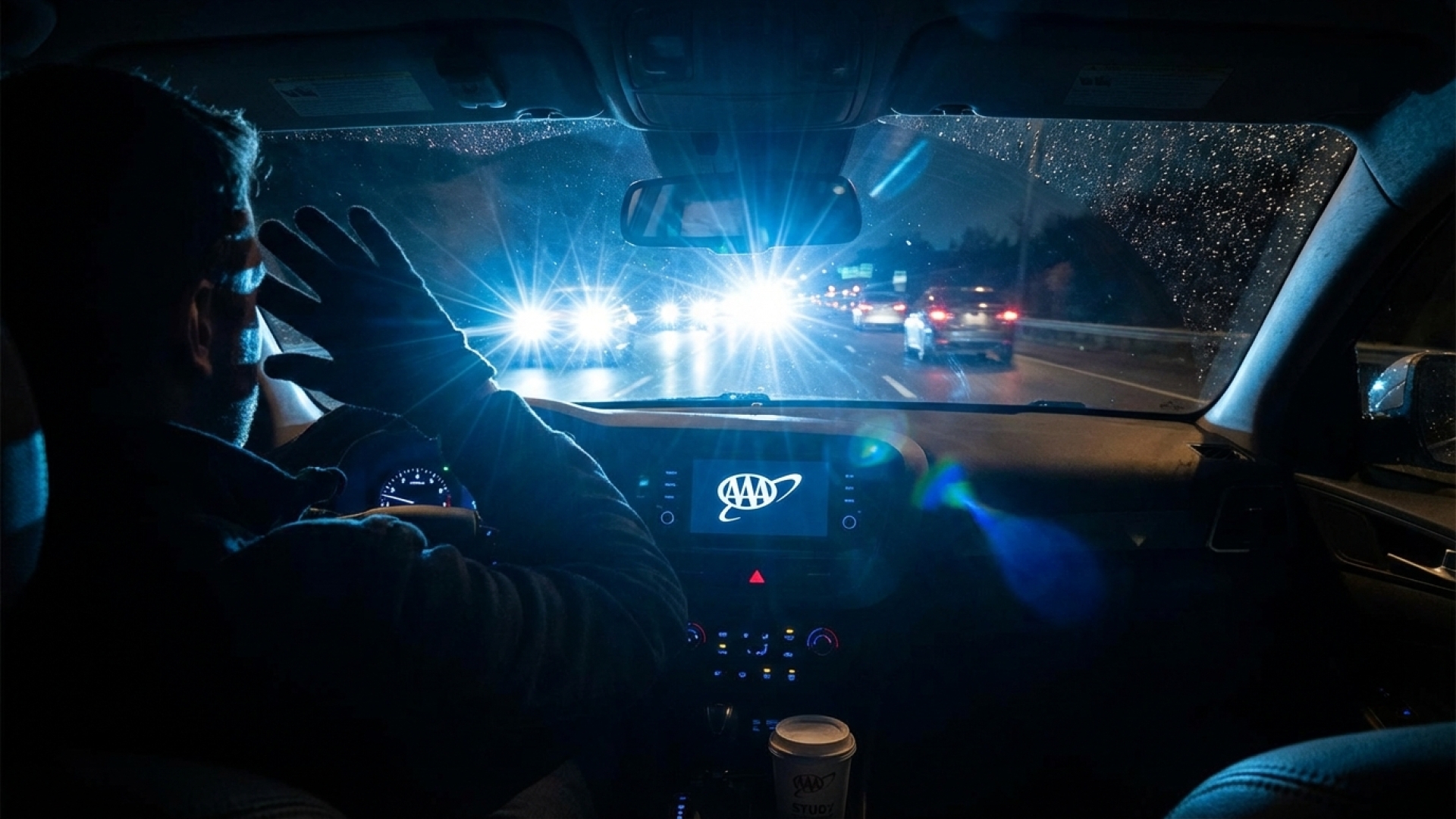
For motorists navigating the 190 or commuting through the suburban stretches of Erie County after sunset, a blinding new reality has taken hold on Western New York roads. A recent study by AAA has brought to light a growing safety concern that many Buffalo drivers have suspected for years: the intensifying problem of high-intensity headlight glare.
A Blinding Reality: AAA Study Unpacks Driver Frustration
The investigation, which surveyed over 1,000 adult drivers, reveals that six out of ten motorists now consider headlight glare a significant hazard when driving after dark. More concerning for local safety advocates is the trend; over 70% of those affected believe the intensity of oncoming lights has worsened over the last few years. Greg Brannon, AAA’s director of research, notes that while vehicle lighting technology is advancing, our understanding of its impact on human vision must keep pace to ensure road safety.
| Driver Demographic | Reported Impact of Headlight Glare |
|---|---|
| General Motorists | 60% identify glare as a major nighttime driving obstacle. |
| Long-term Drivers | 71% report glare has become noticeably more intense recently. |
| Drivers with Glasses | Report significantly higher rates of light scattering and discomfort. |
| Pickup Truck Drivers | Least likely to report issues, often due to higher seating positions. |
Analyzing the Risk: Who is Most Vulnerable?
In my analysis of regional traffic safety, it is clear that certain demographics are disproportionately affected by the shift toward LED and high-intensity discharge (HID) lighting. The study indicates that women report glare-related issues more frequently than men. Furthermore, those who wear corrective lenses face an uphill battle, as light often reflects off the surface of glasses, creating a “starburst” effect that obscures the road ahead.
Interestingly, the “height advantage” plays a major role in this issue. Drivers of pickup trucks and larger SUVs—vehicles common throughout the Southtowns and rural Western New York—report fewer issues with glare, largely because their line of sight sits above the direct beam of oncoming traffic. This creates a visibility gap between different vehicle classes on our local highways.
Practical Strategies for Safer Night Driving
While legislative changes regarding headlight standards move slowly, drivers can take immediate steps to mitigate these risks. Our community safety initiatives often highlight that small adjustments can prevent major accidents during the long Buffalo winters and dark evenings.
- Strategic Eye Placement: When an oncoming vehicle’s lights are overwhelming, avoid the instinct to stare directly at them. Instead, shift your focus toward the white line on the right edge of the road. This allows you to maintain your lane position while using your peripheral vision to track the oncoming car.
- Lens and Housing Maintenance: Ensure your own headlights are clean. Salt, grime, and road slush common in Western New York can diffuse your light, making it less effective for you and more blinding for others.
Essential Tools to Mitigate Glare
For those looking for more robust solutions, several products can assist in reclaiming the road at night. Some links below are affiliate links, supporting our commitment to high-quality local journalism at no extra cost to you.
- Night Driving Glasses: Specialized anti-glare night driving glasses feature yellow-tinted lenses that filter out high-energy blue light, reducing the harshness of LED beams and improving contrast in low-light conditions.
- Headlight Restoration Kits: If your vehicle’s housings have become cloudy, a headlight restoration kit can improve the focus of your beams, ensuring you aren’t inadvertently scattering light into the eyes of other drivers.
- Automotive Glass Clarifiers: Streaks on the interior or exterior of your windshield can magnify glare. Using a dedicated automotive glass cleaner ensures that your field of vision remains as clear as possible.
As vehicle technology continues to evolve, the Lake Erie Times remains committed to monitoring how these changes affect our local infrastructure and the safety of our residents. By staying proactive and utilizing the right tools, we can keep Western New York roads safer for everyone.
For more updates on regional safety and local transportation issues, visit our Local News section.