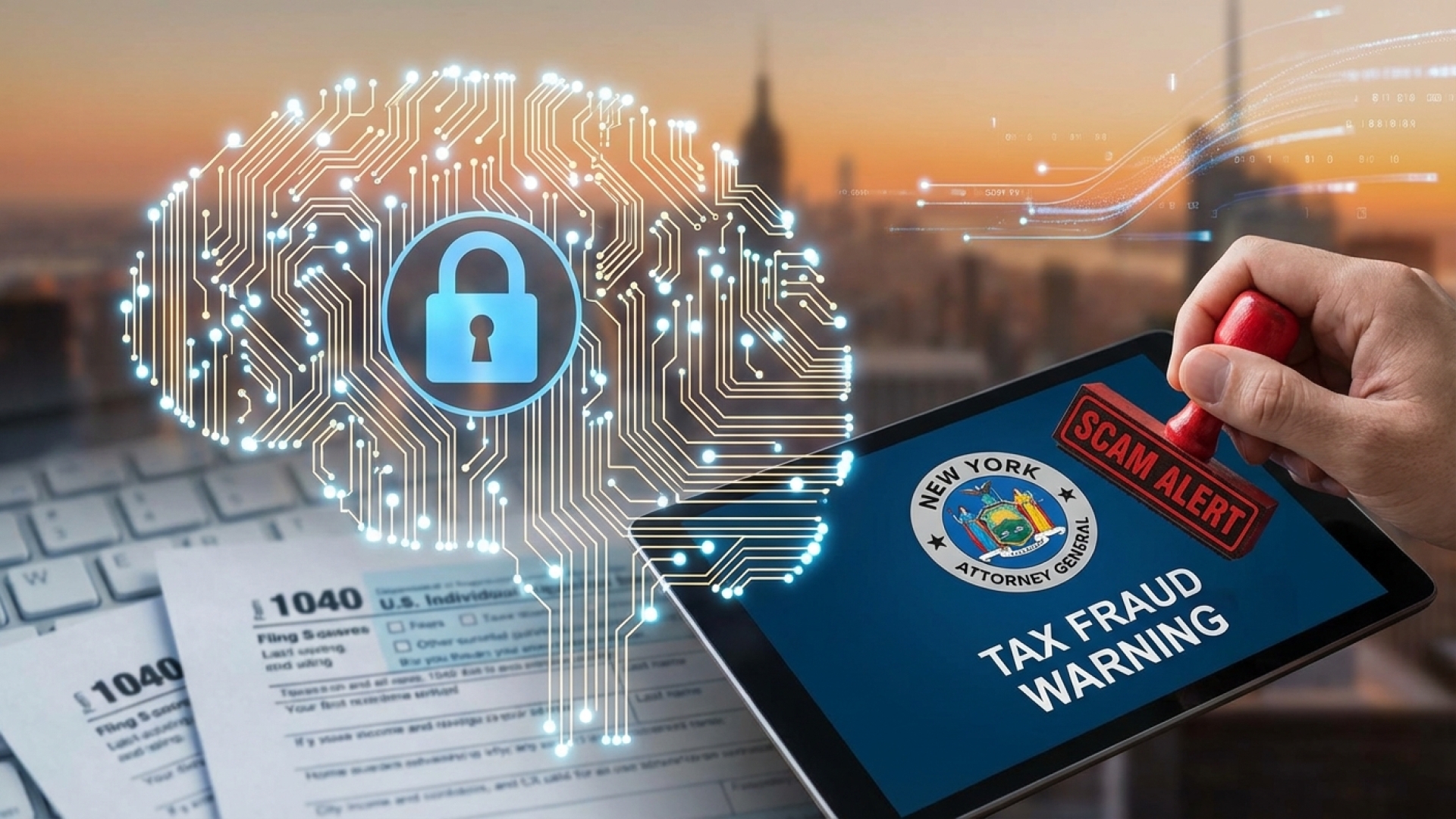
As the filing deadline approaches, residents across Buffalo and the greater Western New York region are being urged to exercise heightened caution. New York Attorney General Letitia James has issued a fresh warning regarding the surge in tax scams and fraud, noting that deceptive schemes are becoming increasingly difficult to spot due to the integration of advanced artificial intelligence (AI).
For taxpayers from Erie County to Niagara Falls, vigilance is the primary defense against financial loss. Attorney General James emphasized that scammers are leveraging AI to craft more convincing narratives aimed at harvesting personal information and draining bank accounts. “As New Yorkers file their taxes, I encourage everyone to be on the lookout for scammers who try to steal their money,” James stated, highlighting the evolving nature of these digital threats.
The Evolution of AI-Powered Tax Fraud
The landscape of tax fraud has shifted significantly with the advent of generative AI. Western New York residents should be wary of several high-tech tactics currently in circulation:
- Synthetic Media: AI-generated videos and “deepfake” audio clips that distribute misinformation regarding tax laws or filing requirements.
- Hyper-Realistic Phishing: Emails that perfectly mimic the branding and tone of the IRS or New York State Department of Taxation and Finance to solicit sensitive data.
- Voice Cloning: Automated phone calls using AI to replicate official-sounding voices, often employing urgent or threatening language to demand immediate action.
Traditional Scams Still Targeting WNY Residents
While AI is the newest tool in the fraudster’s kit, traditional tax scams remain a persistent threat during tax season. Local taxpayers should remain alert to these recurring schemes:
- Aggressive Debt Collection: Fraudsters claiming you owe unpaid tax debts and demanding payment via cryptocurrency, wire transfers, or gift cards—methods the IRS never uses.
- The “Free” Filing Bait: Unregulated services that claim to offer free tax preparation, only to hold the completed return hostage until an undisclosed fee is paid.
- Refund Recapture Scams: Messages claiming a IRS tax refund was issued in error, instructing the taxpayer to “return” the funds to a private account.
Actionable Tips to Protect Your Finances
Protecting your identity and your refund requires a disciplined approach to tax filing. Here are the essential steps recommended for staying safe:
- Verify Your Preparer: Only discuss your tax information with certified professionals or individuals you have personally vetted and trust.
- Question Unsolicited Contact: The IRS generally initiates contact through the U.S. Mail. Be skeptical of any unexpected text, email, or social media message claiming to be from a government agency.
- Scrutinize the Fine Print: Before signing any agreement for tax services, especially those offering “refund anticipation loans,” ensure you understand every fee and interest rate involved.
Reporting Fraud and Scams
If you believe you have been targeted by a tax scam or have inadvertently shared your personal information with a fraudster, immediate reporting is vital to mitigate the damage. Use the contact information below to alert the proper authorities:
| Organization | Contact Method | Service |
|---|---|---|
| NY Attorney General’s Office | 1 (800) 771-7755 | Online Complaint Form |
| U.S. Inspector General (TIGTA) | 1 (800) 366-4484 | IRS Impersonation Reporting |
For more updates on community safety and local economic issues, stay tuned to the Lake Erie Times business section.
About the Author: William Strasmore is a dedicated news reporter for Lake Erie Times, providing in-depth coverage of regional issues and community affairs across Western New York. You can view more of his work on his author page.
Disclaimer: The content provided by Lake Erie Times is for informational purposes only and should not be considered as professional legal or financial advice. Some links on Lake Erie Times are affiliate links. This means that if you make a purchase through these links, we may earn a commission at no additional cost to you. Our recommendations are based on careful research and our commitment to quality journalism.