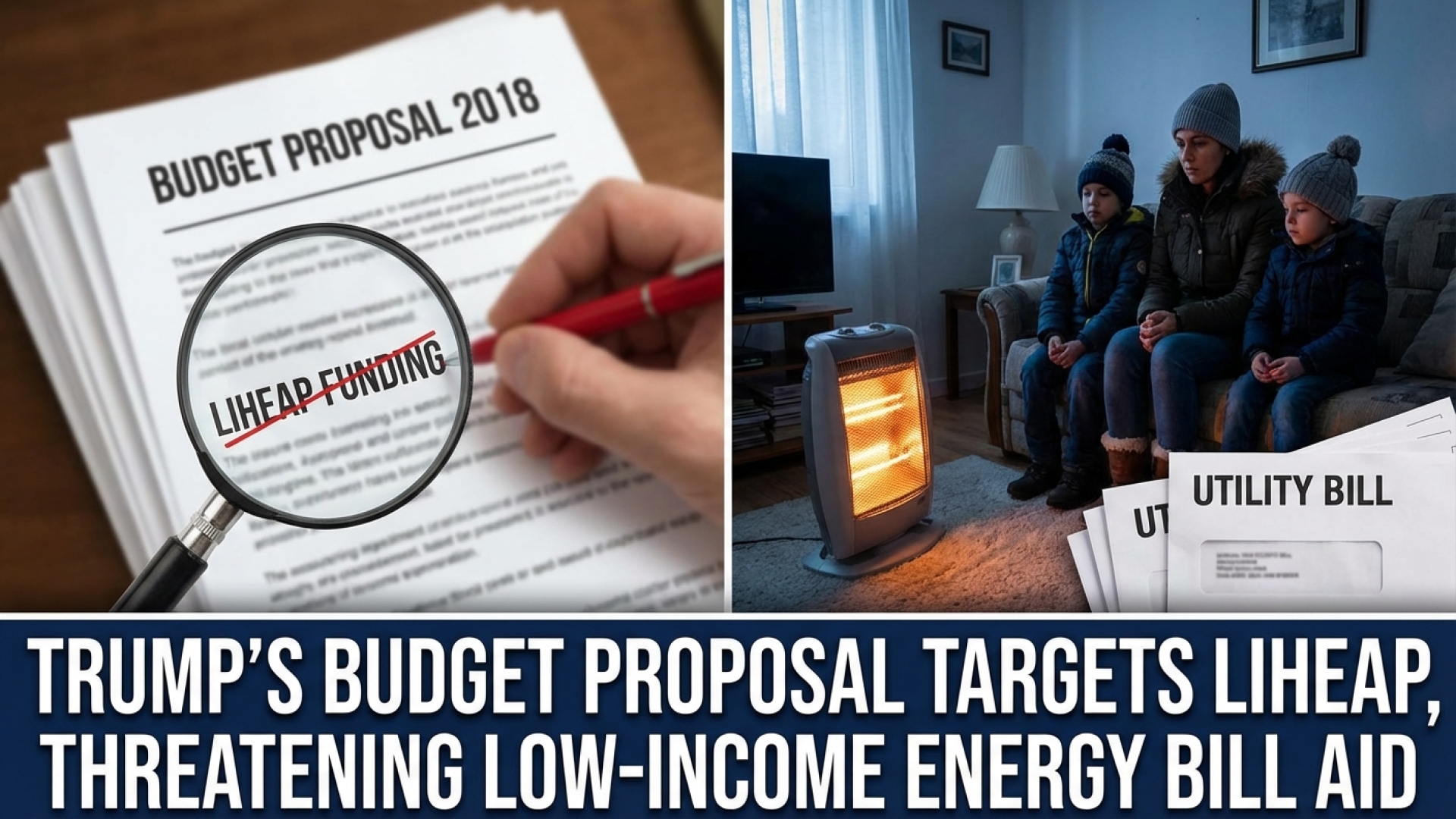
For residents across Western New York, where lake-effect snow and freezing temperatures are a seasonal certainty, the stability of home heating assistance is a matter of survival. However, a familiar debate has resurfaced in Washington. In a move under close scrutiny by local advocates, a proposal has been put forth to eliminate the Low Income Home Energy Assistance Program (LIHEAP). This federal initiative, which provides a vital safety net for cooling and heating costs, faces a potential $4 billion reduction in the latest federal budget plan.
The Local Impact: LIHEAP as a WNY Lifeline
LIHEAP serves as a critical buffer for thousands of households in Buffalo and the surrounding suburbs. By providing direct financial assistance, the program ensures that vulnerable populations—particularly seniors and low-income families—are not forced to choose between putting food on the table and keeping their homes habitable during the brutal winter months. In our region, where energy demands peak during extended cold snaps, the program is less of a luxury and more of a regional necessity.
The Rationale Behind the Cut
This proposal marks the sixth time the administration has sought to phase out the program. The central argument presented in the political discourse is that the initiative is “unnecessary.” Proponents of the cut assert that broader energy deregulation and market-driven policies will eventually lower costs for all consumers. Additionally, the administration argues that many states already possess sufficient utility shutoff protections and that LIHEAP disproportionately benefits utility providers rather than the individuals it is designed to protect.
Furthermore, federal officials have raised concerns regarding administrative fraud and the potential for ineligible applicants to receive funds. While these points remain under investigation, the reality on the ground in Western New York tells a more complex story of rising costs and economic pressure.
Financial Pressure and Rising Energy Costs
The timing of the proposed $4 billion reduction is particularly concerning given the current inflationary climate. According to recent business data, utility prices have remained stubbornly high, placing an increased burden on the average household’s monthly budget.
| Energy Service | Year-Over-Year Price Increase (Estimated) |
|---|---|
| Gas Utility Services | 11% |
| Electricity Costs | 4.8% |
In response to these fluctuations, many Buffalo residents are turning toward proactive energy efficiency measures. At Lake Erie Times, we recommend that homeowners explore modern solutions to mitigate these rising costs. Investing in a smart thermostat can help automate energy savings, while the use of home energy monitors provides real-time data to identify high-consumption appliances.
Bipartisan Resistance in Congress
The elimination of LIHEAP is far from a settled matter. The program has historically enjoyed robust bipartisan support, particularly from representatives in “Heating Degree Day” states like New York. Lawmakers from both sides of the aisle recognize that removing this safety net could lead to a spike in utility defaults and health emergencies during extreme weather events.
Senator Patty Murray of Washington, along with several members of the New York delegation, has voiced strong opposition. “After sending prices skyrocketing… the administration is now proposing to eliminate programs that help families afford the basics—like LIHEAP,” Murray stated. This pushback suggests that the proposal will face significant hurdles before it can be enacted into law.
Long-term Efficiency: A Necessary Pivot
While the political battle over federal funding continues, experts suggest that residents should focus on long-term household energy consumption reduction. Upgrading to ENERGY STAR certified appliances, utilizing LED lighting, and reinforcing homes with advanced insulation materials are proven methods to lower overall energy expenditures. For those looking for immediate relief, local community programs and weatherization grants remain available to help offset the initial costs of these upgrades.
Lake Erie Times will continue to monitor this story as it develops in Washington and report on how these decisions will impact the families and businesses of Western New York. For more in-depth reporting on regional issues, visit our local news section.
About the Author: William Strasmore is a veteran reporter for Lake Erie Times, specializing in investigative journalism and regional political analysis. His work focuses on the intersection of government policy and its direct impact on the Western New York community.
Disclaimer: The content provided by Lake Erie Times is for informational purposes only and should not be considered as professional legal or financial advice. Some links on Lake Erie Times are affiliate links. This means that if you make a purchase through these links, we may earn a commission at no additional cost to you. Our recommendations are based on careful research and our commitment to quality journalism.