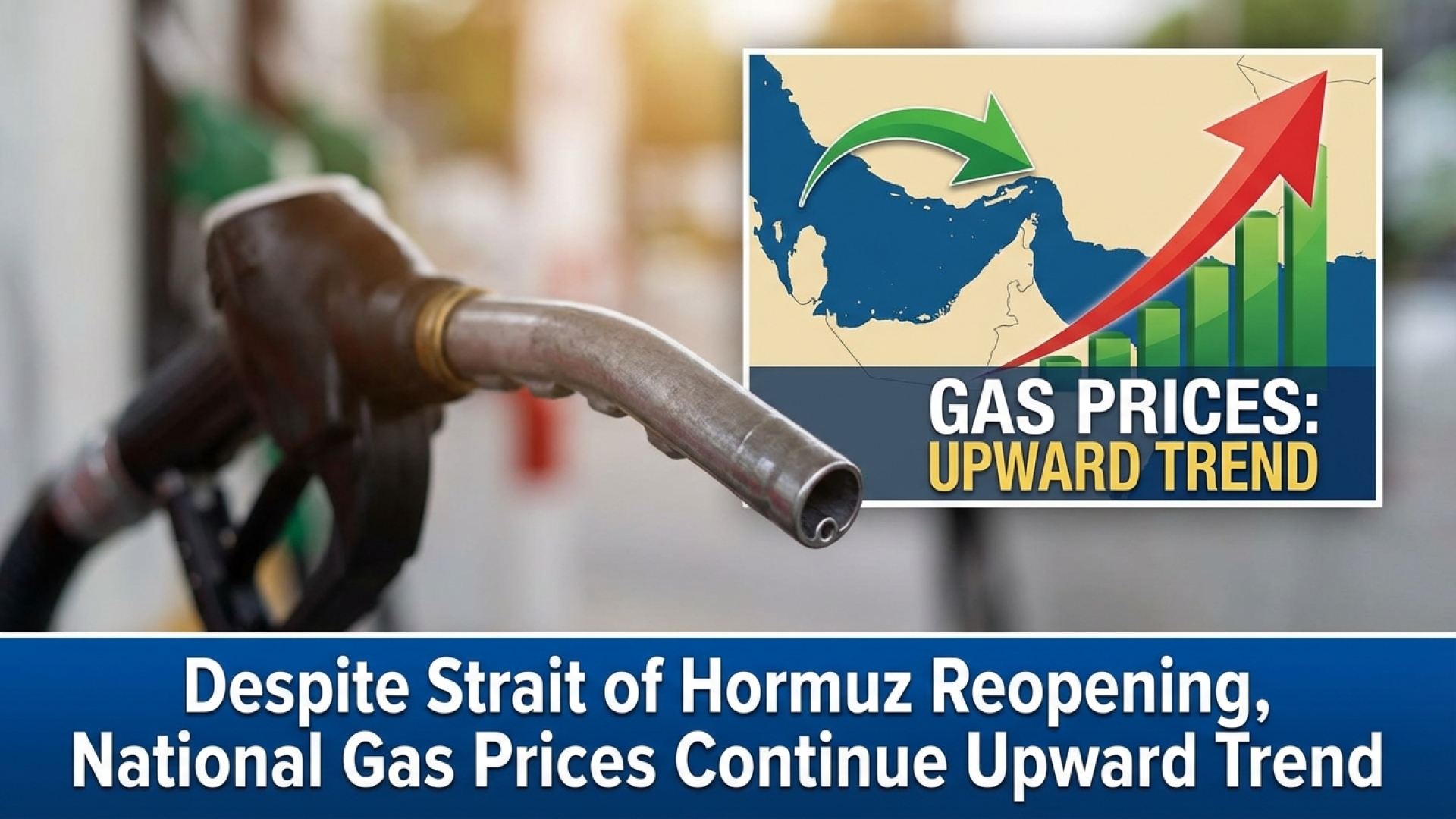
As the national average for a regular gallon of gasoline climbed to $4.16 on Wednesday, drivers across Western New York are feeling the squeeze at the pump. This latest uptick, reported by AAA, follows a steady surge that pushed prices past the $4.00 mark last week for the first time since 2022. While West Coast motorists in California and Washington are facing averages north of $5.00, the Lake Erie Times has observed local stations in the Buffalo-Niagara region reflecting these volatile global trends.
Diesel prices are also approaching record territory, hitting $5.66 per gallon earlier this week. For the Western New York business community, these rising fuel costs represent a significant hurdle for logistics and supply chains already under pressure.
Geopolitical Tensions Drive Global Crude Costs
The sharp ascent in fuel prices is largely tied to escalating military conflicts in the Middle East, particularly following the February 28 engagements involving the U.S., Israel, and Iran. As a critical hub for global oil distribution, any instability in this region sends ripples through the energy market. Crude oil has repeatedly breached the $100-per-barrel threshold in recent weeks, directly inflating the cost of refining gasoline, diesel, and jet fuel.
There was a brief moment of relief on Tuesday when Iran agreed to reopen the Strait of Hormuz following a two-week ceasefire agreement. This waterway is vital to global energy security, as approximately 20% of the world’s oil supply passes through the strait. However, market analysts remain cautious, and local prices have yet to reflect this diplomatic shift.
White House Press Secretary Karoline Leavitt addressed the crisis on March 31, suggesting that once “Operation Epic Fury” concludes, prices will return to previous lows. The administration has pledged to focus on American energy dominance to lower costs for hardworking families, though AAA notes that seasonal demand—fueled by warmer weather and spring travel—continues to put upward pressure on the market.
Regional Price Comparisons
While the national average provides a benchmark, the price at your local Buffalo gas station is influenced by a variety of regional factors. Below is a breakdown of current averages across different segments of the country:
| Region / State | Average Price (Regular) |
|---|---|
| California | $5.934 |
| Washington | $5.395 |
| National Average | $4.164 |
| North Dakota | $3.560 |
| Oklahoma | $3.431 |
The Economics of the Pump
Understanding why gas prices fluctuate requires a look at the “four pillars” of fuel costs. According to the U.S. Energy Information Administration, crude oil accounts for roughly 50% of the price of gasoline. The remaining costs are split between refining (20%), federal and state taxes (20%), and distribution and marketing (10%).
In New York, state-level taxes and levies play a major role in the final price compared to neighboring states. Furthermore, the distance from major refineries and the local competitive landscape in Western New York influence whether a station in Amherst might be cheaper than one in downtown Buffalo.
Retailers often operate on thin margins. Patrick De Haan, head of petroleum analysis at GasBuddy, notes that station owners are essentially “price takers.” They must adjust their pump prices based on the cost of their latest delivery to ensure they can afford the next shipment. Most stations rely on “in-store” purchases—like coffee and snacks—to maintain profitability, as the actual profit on a gallon of gas can be as low as 15 cents after expenses.
Historical Context
While current prices are high, they have not yet eclipsed the all-time records. The national record for regular gasoline was set on June 14, 2022, at just over $5.00 per gallon. Diesel reached its peak shortly after, hitting $5.816. As William Strasmore continues to monitor the local business impact of these energy costs, the Lake Erie Times will provide updates on how regional policy shifts may offer relief to Western New York drivers.
The Associated Press contributed to this report. For more in-depth analysis on local issues, visit the Lake Erie Times Community section.