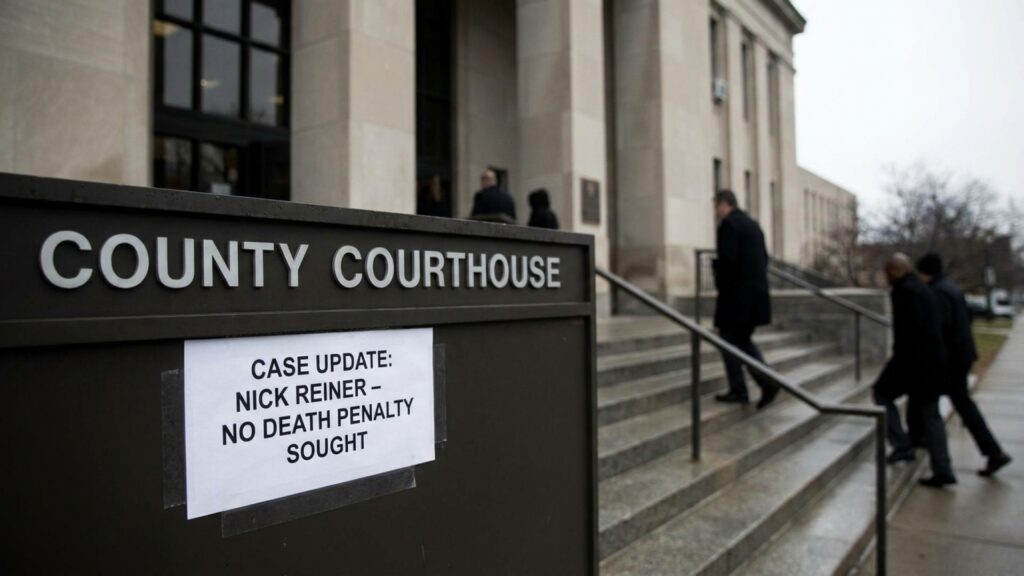

In a watershed moment for New York criminal justice, Rex Heuermann, the 62-year-old Long Island architect, has pleaded guilty to the murders of seven women and admitted to the killing of an eighth. This admission brings a chilling conclusion to the Gilgo Beach killings, a cold case that has haunted the state for nearly two decades. In a courtroom filled with the families of those lost, Heuermann’s plea marks the end of a long journey toward accountability, with a life sentence without the possibility of parole now certain.
The Victims and the Scope of the Crimes
The guilty pleas entered by Heuermann include three counts of first-degree murder and four counts of intentional murder. Beyond the formal charges, he confessed to the murder of Karen Vergata, a case for which he had not been previously indicted. The investigation, spearheaded by the Gilgo Beach Homicide Investigation Task Force, uncovered a trail of tragedy stretching back 17 years.
The following table outlines the victims identified during this extensive multi-agency investigation:
| Victim Name | Case Status |
|---|---|
| Melissa Barthelemy | Guilty Plea / Intentional Murder |
| Maureen Brainard-Barnes | Guilty Plea / Intentional Murder |
| Amber Lynn Costello | Guilty Plea / Intentional Murder |
| Megan Waterman | Guilty Plea / Intentional Murder |
| Jessica Taylor | Guilty Plea / First-Degree Murder |
| Valerie Mack | Guilty Plea / First-Degree Murder |
| Sandra Costilla | Guilty Plea / First-Degree Murder |
| Karen Vergata | Admitted / Uncharged |
Suffolk County District Attorney Ray Tierney, who has overseen the prosecution, stood alongside the victims’ families to confirm the details of the plea. For many in the Western New York community and beyond, the resolution provides a somber sense of closure to a narrative that once felt unsolvable.
The Investigative Breakthroughs
The resolution of the Gilgo Beach investigation was the result of modern forensic science meeting traditional detective work. After decades of stagnation, the case turned in 2022 when investigators focused on Heuermann. The evidentiary trail was both high-tech and visceral:
- Forensic DNA Analysis: A pivotal moment occurred when investigators retrieved a discarded pizza crust from a Manhattan trash bin. DNA from the crust matched a male hair found on burlap used to restrain one of the victims.
- Digital Footprints: Detectives meticulously tracked burner phones used to contact the victims. Additionally, Heuermann’s internet history revealed a preoccupation with violent content and a fixation on the very investigation that eventually caught him.
- The “Killer’s Blueprint”: During a search of Heuermann’s Massapequa Park residence—located just a short drive from where the remains were discovered—investigators found a digital “blueprint.” This document served as a chilling checklist for managing noise, disposing of remains, and eliminating evidence.
- Physical Evidence: A basement vault containing 279 weapons and vehicle registration data linking a specific pickup truck to a 2010 disappearance further cemented the prosecution’s case.
Despite attempts by the defense to exclude the advanced DNA evidence, the court’s insistence on its validity ensured that the forensic links remained the cornerstone of the trial.
Impact on the New York Community
The Gilgo Beach case has transcended local news, becoming a cultural touchstone that highlights the vulnerabilities of marginalized communities and the persistence of grief. The 2020 film Lost Girls brought international eyes to the families’ fight for justice, a fight that William Strasmore and our team at Lake Erie Times have followed closely as part of our commitment to regional integrity and investigative reporting.
As Heuermann prepares for his formal sentencing, the focus remains on the families who waited years for an answer. While the legal proceedings conclude on Long Island, the implications for how New York handles cold cases and forensic evidence will be felt from Buffalo to Montauk.
For more updates on regional justice and local news developments, stay connected with Lake Erie Times.
Disclaimer: The content provided by Lake Erie Times is for informational purposes only and should not be considered as professional legal or financial advice.
Affiliate Disclaimer: Some links on Lake Erie Times are affiliate links. This means that if you make a purchase through these links, we may earn a commission at no additional cost to you. Our recommendations are based on careful research and our commitment to quality journalism.