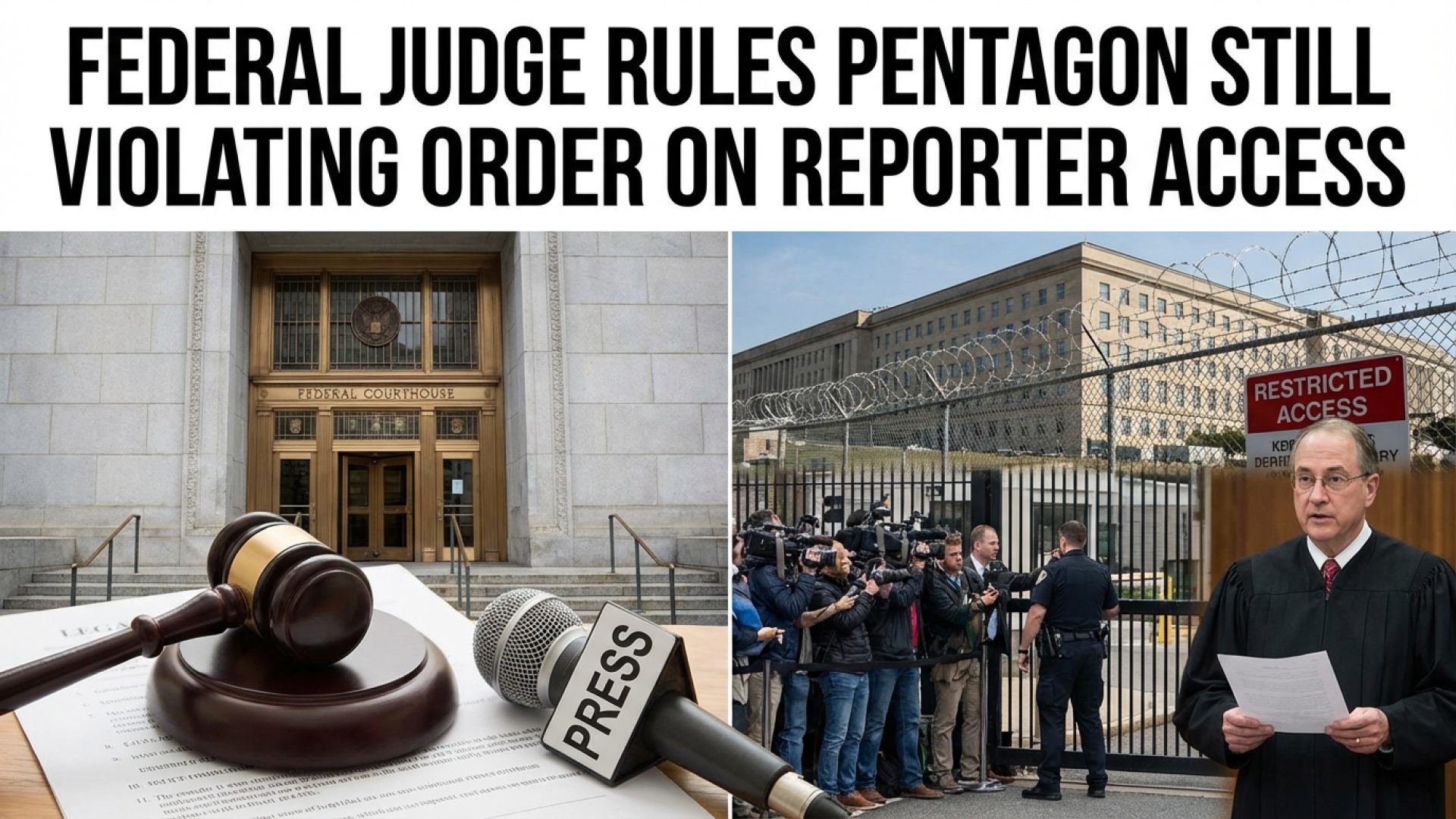
In a significant victory for constitutional protections and independent journalism, a federal judge has once again ruled that the Defense Department is in violation of a prior court order regarding reporter access to the Pentagon. This decision represents a major hurdle for the current administration’s attempts to limit the scope of journalistic inquiry within the headquarters of the U.S. military.
U.S. District Judge Paul Friedman sided with The New York Times for the second time in less than a month. His initial ruling established that the Pentagon’s restrictive credentialing policy infringed upon the constitutional rights of journalists to free speech and due process. On Thursday, Judge Friedman determined that the team under Defense Secretary Pete Hegseth attempted to circumvent the March 20 ruling by implementing “new” regulations that essentially mandated the expulsion of reporters unless they were accompanied by government-sanctioned escorts.
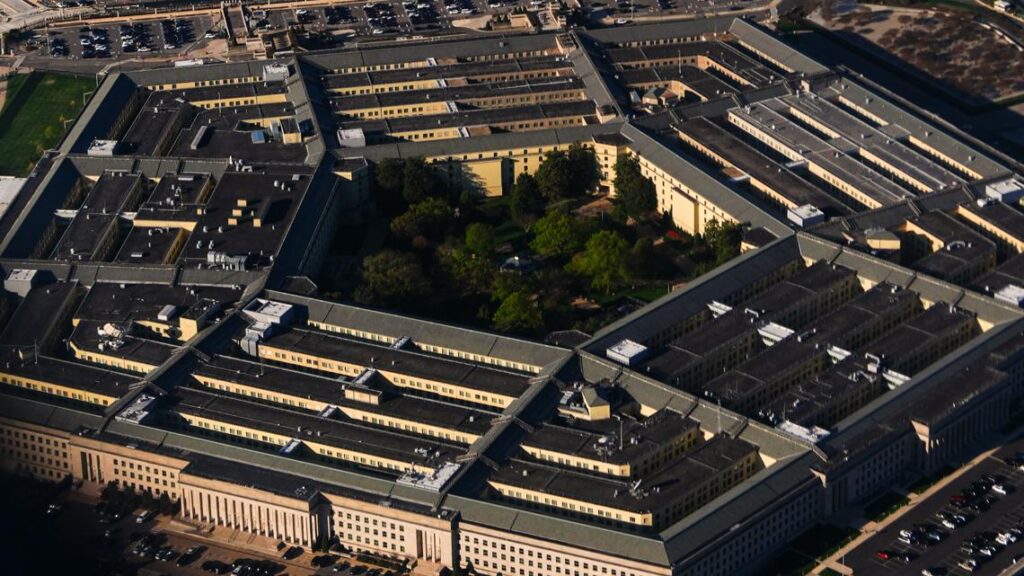
“The department simply cannot reinstate an unlawful policy under the guise of taking ‘new’ action and expect the court to look the other way,” Friedman asserted in his ruling. The judge had previously ordered Pentagon officials to restore the press credentials of seven Times reporters, emphasizing that the decision applied to all regulated parties within the facility.
The Deepening Dispute Over Press Access
The tension between the Defense Department and the press corps has intensified since last October. Theodore Boutrous, attorney for The New York Times, noted that Thursday’s ruling serves to vindicate both the Court’s authority and the First Amendment’s protection of independent journalism—values that the Lake Erie Times remains committed to upholding within our own regional reporting in Western New York.
The conflict reached a boiling point in late 2023 when reporters from various major news outlets staged a collective walkout rather than submit to the revised restrictive rules. By December, The New York Times filed a formal lawsuit against the Pentagon and Secretary Hegseth. While the administration has frequently engaged with media through informal channels and social media, the formal policy shifts at the Pentagon have suggested a more systemic effort to curate which journalists are granted access to military briefings.
During recent briefings regarding operations in the Middle East, Secretary Hegseth has been criticized for prioritizing queries from conservative-leaning outlets while disparaging legacy media representatives. Attorneys for the Times argued that the Pentagon’s revised policy violated the “letter and spirit” of the court’s order, specifically targeting the ability of reporters to grant anonymity to sources—a cornerstone of investigative journalism.
The following table outlines the timeline of the legal dispute between the press and the Department of Defense:
| Date | Event | Outcome |
|---|---|---|
| October | Initial policy change | Mass walkout by Pentagon press corps. |
| December | Formal Lawsuit filed | The New York Times sues the Defense Department and Sec. Hegseth. |
| March 20 | First Court Ruling | Judge Friedman declares the policy unconstitutional. |
| April | Second Court Ruling | Court finds the Pentagon in violation of the March order. |
Implications for Press Freedom and Public Information
For the residents of Buffalo and the broader Western New York region, the implications of this federal ruling are profound. Transparency in government activities, especially concerning military operations, is essential for an informed electorate. Judge Friedman, an appointee of President Bill Clinton, highlighted that recent military actions in Venezuela and Iran underscore the public’s “crucial need” for objective information.
“Those who drafted the First Amendment believed that the nation’s security requires a free press and an informed people,” Friedman wrote. He further elaborated that the challenged policy appeared designed to exclude “disfavored journalists” in favor of those more aligned with the administration’s messaging, labeling the move as “viewpoint discrimination.”
At the Lake Erie Times, we recognize that the struggle for transparency at the federal level mirrors the local necessity for accountability in our own community politics and business sectors. Our commitment to accuracy and integrity, as championed by reporters like William Strasmore, remains steadfast in the face of evolving challenges to the freedom of the press.
Government lawyers maintain that the updated policy is a matter of building security and have indicated plans to appeal the initial decision. However, for now, the court has made it clear: the Pentagon cannot use administrative technicalities to bypass constitutional mandates.
For more updates on national issues impacting our region, visit our Politics and Local News sections.