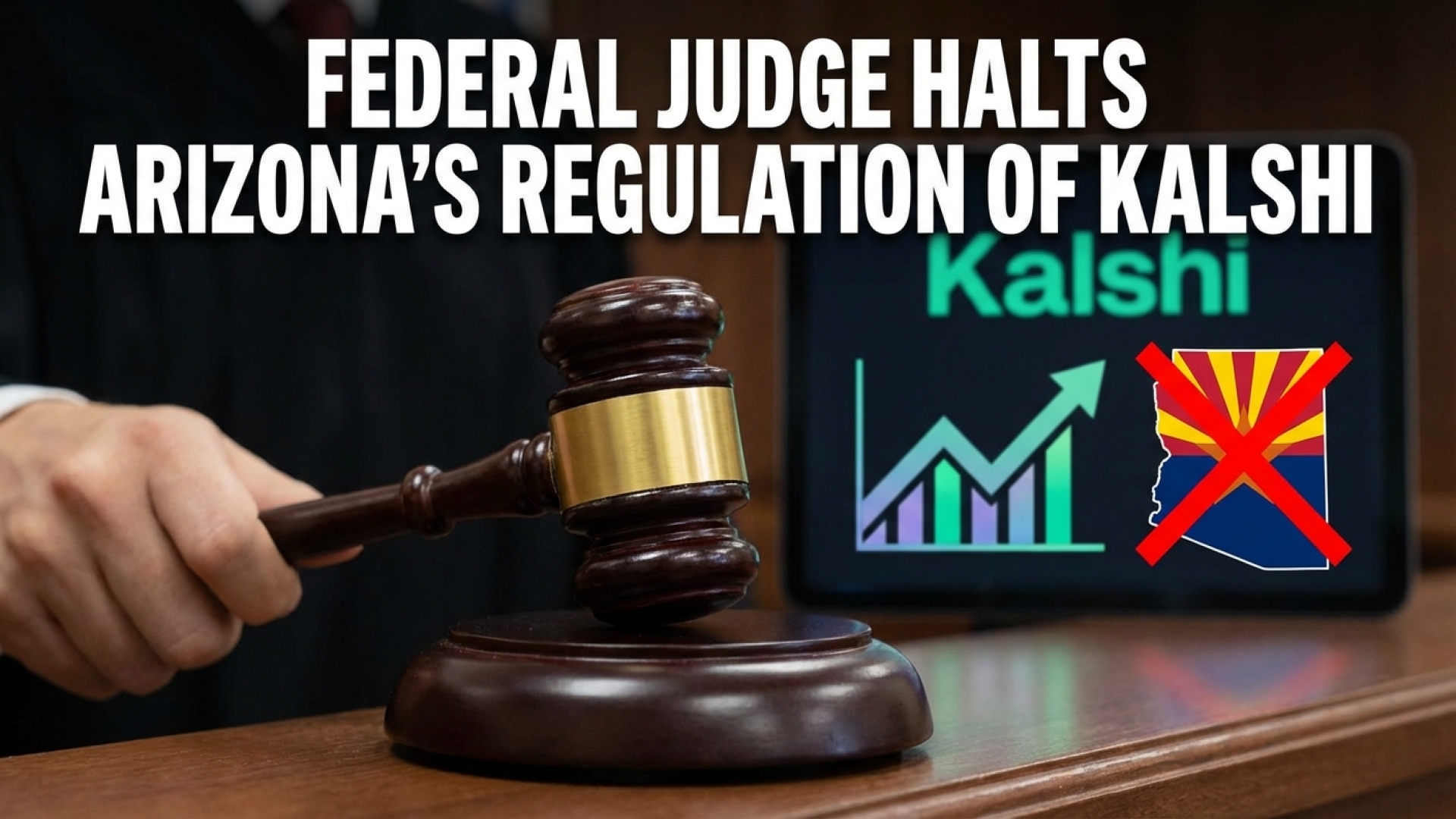
In a ruling that carries significant weight for the future of digital financial platforms and state-level regulatory boundaries, a federal judge has temporarily blocked Arizona from enforcing its gambling laws against Kalshi, a leading prediction market operator. Reporting for the Lake Erie Times, we are tracking this development as it sets a major legal precedent regarding the federal government’s exclusive authority over national financial markets—a topic of high interest for legal and business analysts throughout Western New York.
Federal Preemption in the Prediction Market Dispute
U.S. District Judge Michael Liburdi issued the order late Friday, effectively halting a scheduled arraignment for Kalshi. State prosecutors in Arizona had alleged the company was operating an unlicensed gambling business. However, the court’s decision stems from a lawsuit filed by the Commodity Futures Trading Commission (CFTC), which argues that Arizona’s criminal charges infringe upon federal jurisdiction.
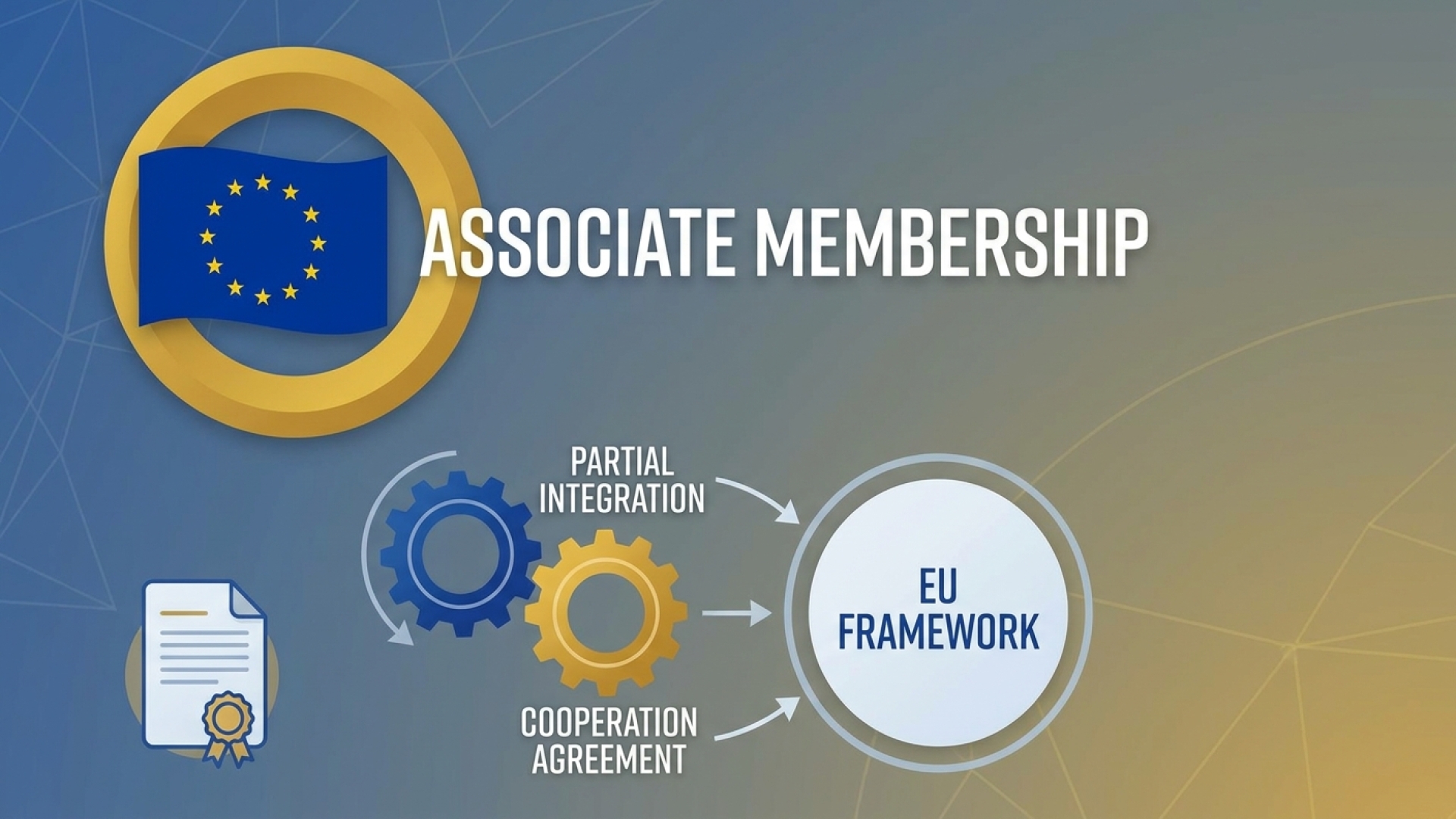
Judge Liburdi noted that the CFTC successfully demonstrated that “event contracts” qualify as “swaps” under the Commodity Exchange Act. This distinction is vital; the Act grants the CFTC exclusive oversight of swaps traded on designated contract markets. Consequently, the court found a reasonable likelihood that federal law preempts Arizona’s ability to prosecute these activities under state-level gaming statutes.
Defining Prediction Markets: Gambling vs. Financial Swaps
The core of the legal debate lies in how Kalshi facilitates transactions. Unlike traditional sportsbooks where users bet against a “house,” Kalshi provides a financial marketplace where participants trade “Yes” or “No” contracts based on event outcomes. These contracts allow users to hedge risks or speculate on everything from economic indicators to political results.
Arizona remains the first state to pursue criminal charges against the platform, citing 20 misdemeanor counts related to wagering on elections and college sports. While Arizona law strictly prohibits election betting, Kalshi maintains that as a federally regulated entity, it is not subject to the same restrictions as local casinos or unlicensed sportsbooks.
Legal Outlook and Industry Consequences
The ruling was met with praise from industry leaders. Michael Selig, chairman of the CFTC, described Arizona’s strategy as an attempt to “weaponize state criminal law” against companies complying with federal standards. For the Western New York business community, this case serves as a barometer for how emerging fintech and “Truth Predict” platforms—including upcoming ventures from Truth Social—will be regulated across state lines.
The following table summarizes the current, fragmented legal landscape for prediction markets across several key states:
| State | Legal Status / Court Stance | Primary Concern |
|---|---|---|
| Arizona | Temporarily Blocked | Federal Preemption (CFTC Authority) |
| Nevada | Unfavorable to Operators | Strict state-run gambling regulations |
| Massachusetts | Unfavorable to Operators | Concerns over sports betting integrity |
| New Jersey | Favorable to Kalshi | Recognition of financial market status |
| Tennessee | Favorable to Kalshi | Limitations on state prosecutorial reach |
A Broadening National Battle
This conflict is not isolated to the desert Southwest. The federal government has recently filed similar challenges against Connecticut and Illinois, asserting that state-level bans on prediction markets interfere with national commerce. As William Strasmore continues to monitor these developments for the Lake Erie Times, the focus remains on whether these platforms will eventually achieve a uniform national regulatory framework or remain entangled in a state-by-state legal patchwork.
Richie Taylor, representing the Arizona Attorney General’s Office, stated that their team is currently evaluating next steps. For now, Kalshi and its competitors have secured a vital breathing room in a legal environment that is quickly becoming as volatile as the markets they host.
Lake Erie Times Disclaimer: The information provided in this report is for informational purposes only and should not be considered professional legal or financial advice. Our news coverage aims to foster informed dialogue within the Western New York community.