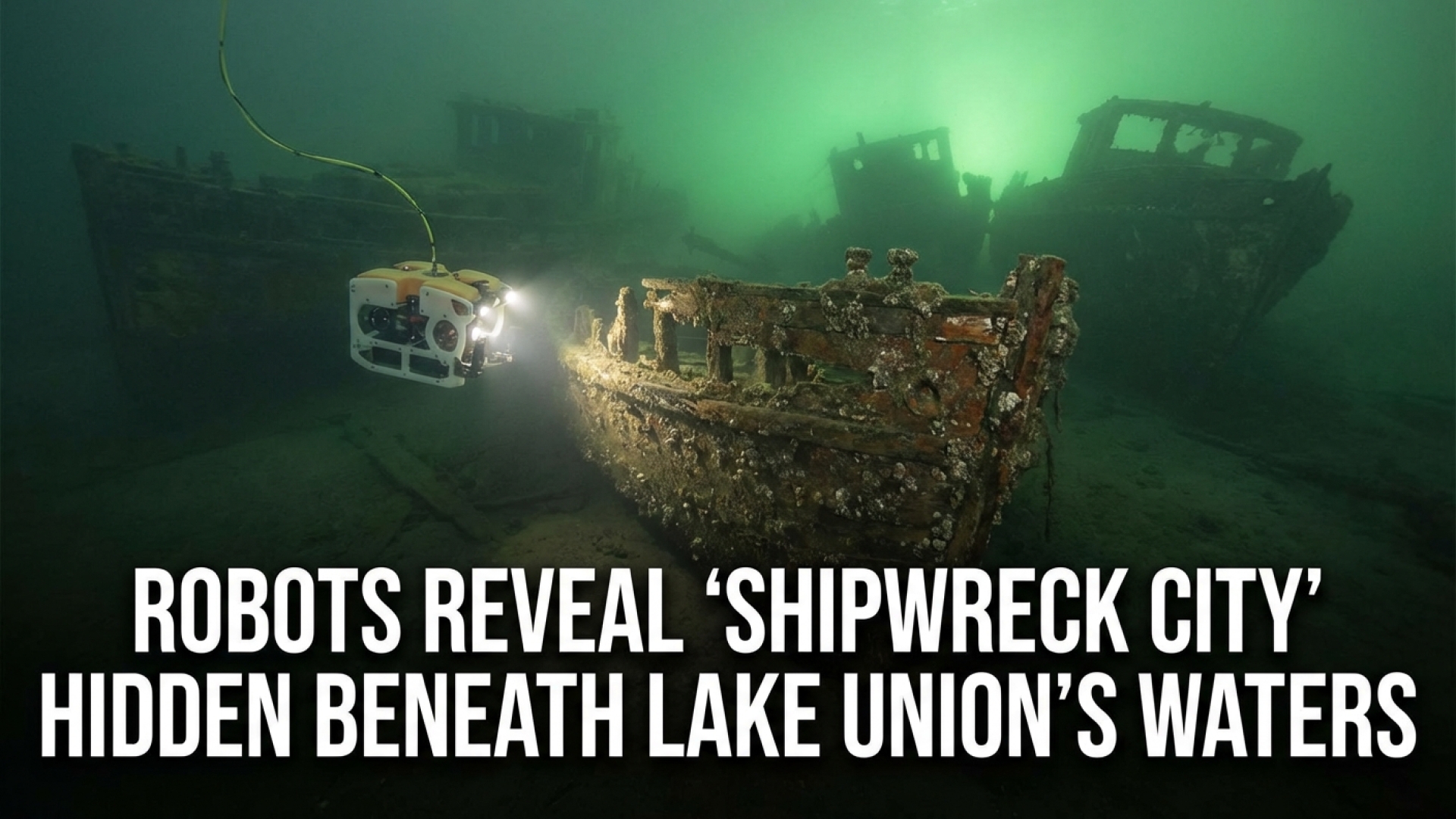
While the shores of Lake Erie hold their own maritime secrets, investigative reporter William Strasmore takes an in-depth look at a similar underwater phenomenon on the West Coast. Beneath the urban facade of Seattle’s Lake Union lies a hidden “shipwreck city,” recently brought to light through advanced robotics technology.
Ocean engineer and remotely operated vehicle (ROV) specialist Phil Parisi has embarked on a mission to document these submerged historical artifacts. His work offers an unprecedented look into a submerged past, utilizing tools that are becoming increasingly vital for local news organizations and historians alike when documenting regional maritime history.
An ROV exploring the hidden shipwrecks beneath Seattle’s Lake Union, a process that mirrors investigative efforts in Western New York’s own waterways.
Unveiling Hidden Depths with ROV Technology
A recent high-resolution sonar survey identified nearly 100 “targets” on the lakebed, with roughly half believed to be shipwrecks, including barges, work boats, and sailboats. While historians previously estimated the number of derelict vessels at 50, the true count remained unconfirmed for decades. Traditional exploration by divers is often hampered by safety hazards and polluted waters, making comprehensive visual documentation nearly impossible without modern intervention.
Parisi’s work leverages advanced remotely operated vehicles to overcome these environmental limitations. Unlike human divers, these robots can explore hazardous environments for extended periods, providing precise navigation in low-visibility conditions. “We need to document what these wrecks look like today,” Parisi noted, emphasizing the need to fill gaps left by outdated sonar maps. Having already explored seven wrecks—including one missed by initial surveys—Parisi plans to expand his search.
Advanced underwater technology allows engineers to safely navigate and capture high-resolution imagery of sunken vessels.
A Submerged Ghost Town: Notable Discoveries
Parisi describes the lakebed as a “ghost town,” noting a stark absence of aquatic life beyond depths of 25 feet. This barren landscape is largely the result of historical industrial runoff, which has restricted human diving in the area. This “out of sight, out of mind” mentality has led to a buildup of both historical maritime treasures and modern debris.
To better understand the scale of these findings, the following table highlights several notable vessels identified near Gas Works Park:
Vessel Name/Type
Estimated Dimensions
Historical Context
Foss 54
100 ft x 30 ft
A large barge built in 1908 and retired in 1969.
Wooden Vessel (Unidentified)
40 ft x 12 ft
Found in shallow water; origin currently unknown.
Converted Landing Craft
Varies
Structure suggests industrial or military origins.
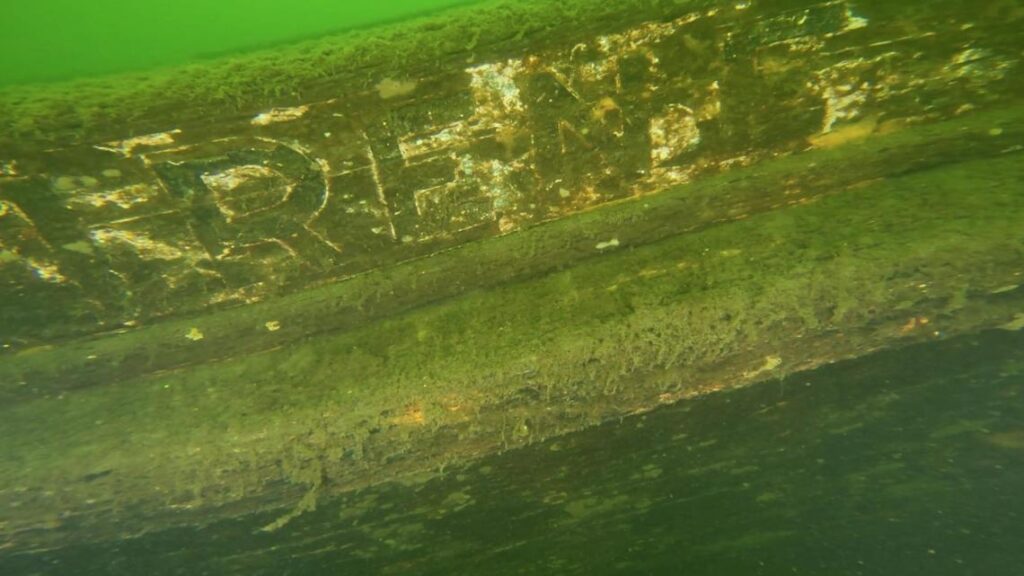
Irene
~50 ft (Length)
A wooden vessel resting on the lakebed.
Table 1: Key shipwrecks documented during the Lake Union ROV survey.
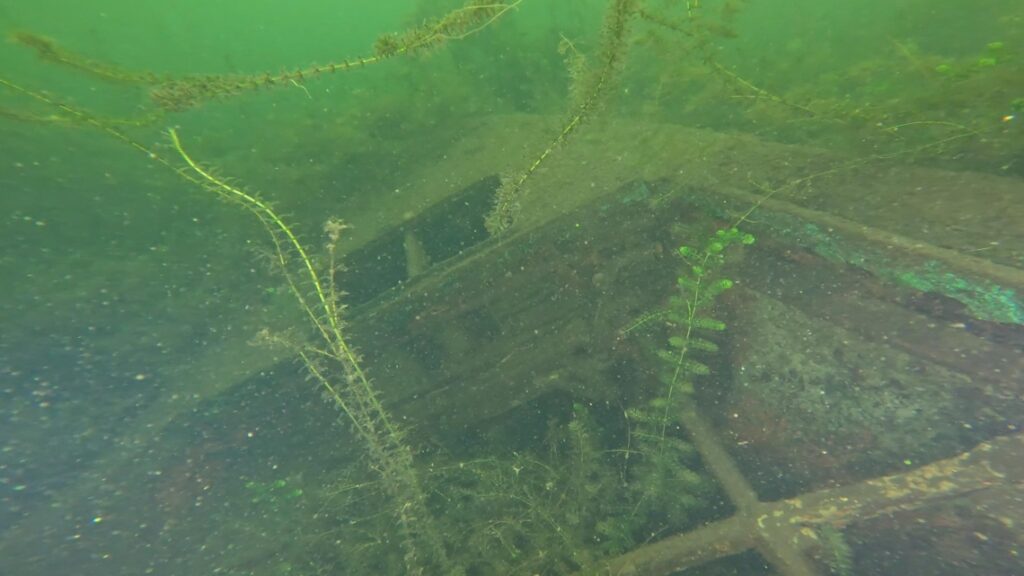
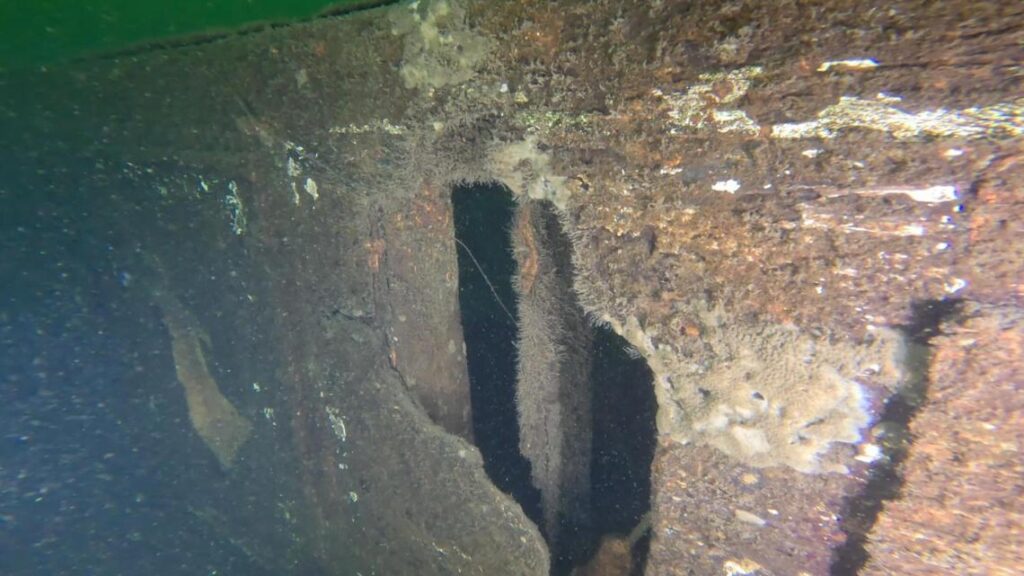
The submerged remains of historic ships transform the lakebed into an underwater museum of industrial history.
The prevalence of these wrecks is often attributed to the high business costs associated with proper vessel disposal. After valuable hardware was salvaged, many ships were intentionally scuttled. Because these vessels lacked inherent “treasure,” they remained ignored by commercial interests, leaving them as pristine subjects for archaeological study.
The Future of Underwater Archaeology
Nathaniel Howe, director of the Puget Sound Maritime Historical Society, views this robotics-led exploration as a blueprint for future community heritage projects. He advocates for the use of ROVs as a “safe and responsible way to explore these wrecks,” contrasting it with the destructive nature of traditional treasure hunting.
This modern approach mirrors international archaeological successes, such as the discovery of the slave ship Clotilda. As technology continues to evolve, the ability to document these sites without disturbing them becomes more accessible. For the Lake Erie Times and its readers in Western New York—a region with its own deep ties to Great Lakes shipping and industrial history—the work in Lake Union serves as a reminder that our local waters likely hold similar stories waiting to be told through the lens of modern science.
Lake Erie Times is your source for in-depth reporting on the issues that matter to Western New York. For more insights into local history and community events, visit our Opinion and Lifestyle sections.