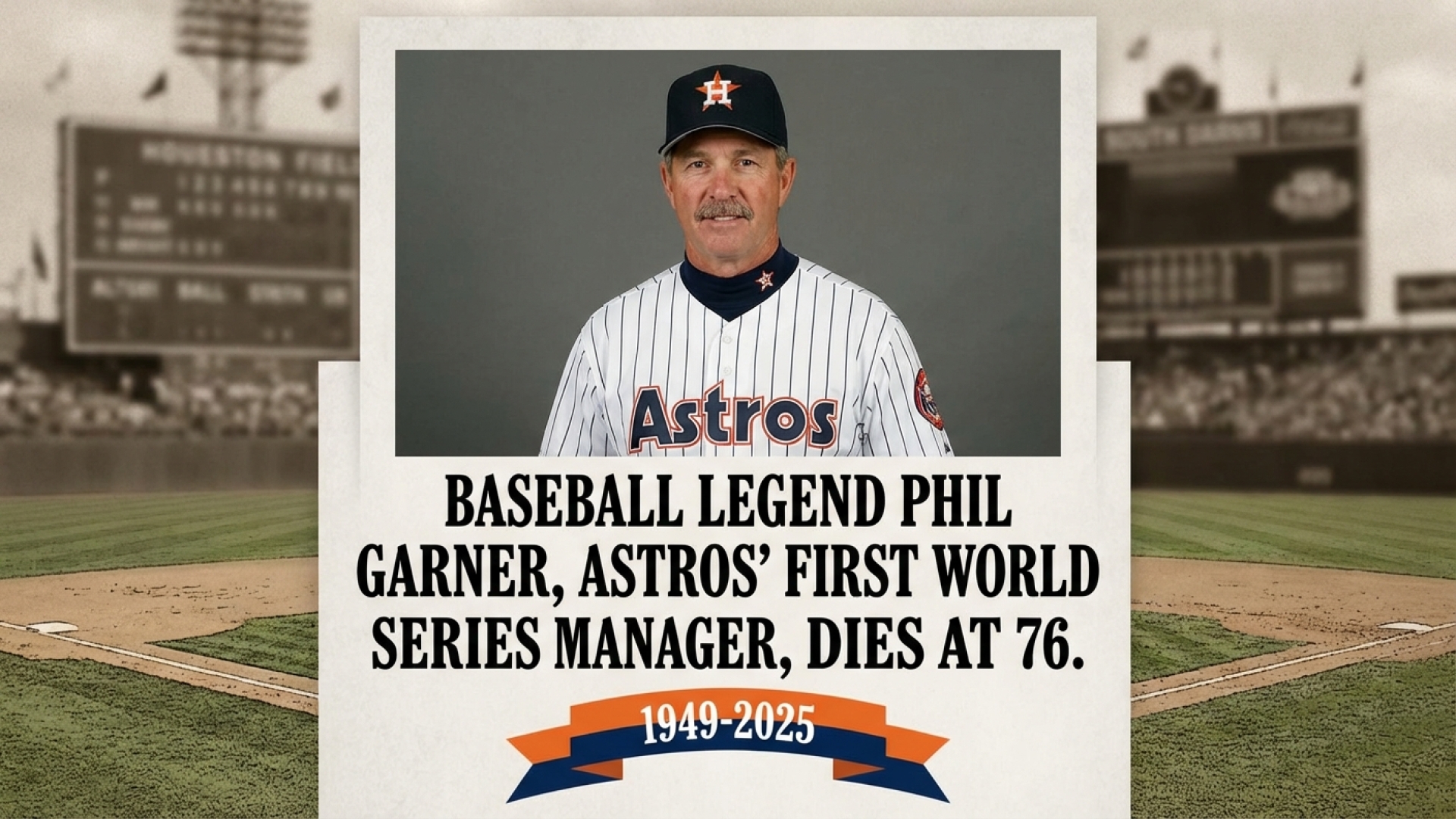
The baseball world is mourning the loss of a true “blue-collar” legend. Phil Garner, the gritty infielder and tactical manager known universally as “Scrap Iron,” passed away Saturday at the age of 76. His death follows a courageous two-year battle with pancreatic cancer, as confirmed by his family on Sunday.
For fans in Western New York and across the rust belt, Garner embodied the hard-nosed, relentless spirit often celebrated in our local sports culture. Whether he was sliding hard into second base or navigating a team through a difficult pennant race, Garner’s approach was defined by a tenacity that earned him respect from teammates and rivals alike.
A Legacy Forged in Grit
Garner’s 16-year playing career (1973-1988) was a testament to longevity and versatility. He was a cornerstone for several iconic franchises, most notably the Pittsburgh Pirates during their “We Are Family” era. During the Pirates’ 1979 World Series championship run, Garner was indispensable. He hit a staggering .500 (12-for-24) in the World Series, helping Pittsburgh overcome a 3-1 deficit to stun the Baltimore Orioles.
A three-time All-Star, Garner split his time primarily between second and third base, appearing in 1,860 regular-season games. He finished his playing days with 1,594 hits, 109 home runs, and 225 stolen bases—stats that reflect a player who could impact the game in every facet.
| Category | Career Playing Statistics / Honors |
|---|---|
| Playing Career | 1973–1988 (16 Seasons) |
| All-Star Selections | 3 (1976, 1980, 1981) |
| World Series Titles | 1 (1979, Pittsburgh Pirates) |
| Career Batting Average | .260 |
| Managerial Wins | 985 |
From the Field to the Dugout
Garner’s transition to management was equally impactful. Over 15 seasons, he led the Milwaukee Brewers, Detroit Tigers, and Houston Astros. For regional fans in the Great Lakes area, his tenure with the Brewers (1992-99) and the Tigers (2000-02) solidified his reputation as a manager who could maximize the potential of a roster through disciplined, aggressive play.
His greatest managerial feat occurred in Houston. Taking over a struggling Astros team in the middle of the 2004 season, he orchestrated a stunning turnaround that culminated in 2005. Under Garner’s leadership, the Astros overcame a 15-30 start to reach their first-ever World Series. It was a masterclass in leadership that many in the industry still cite as one of the great mid-season coaching corrections in MLB history.
Regional Impact and Tributes
The news of his passing has triggered a wave of tributes from the organizations he touched. Bob Nutting, chairman of the Pittsburgh Pirates, described Garner as a “fierce competitor” and a “cherished part of the Pirates family.” In Detroit, a city with deep ties to the Western New York sports psyche, current Tigers manager A.J. Hinch recently dedicated a victory to Garner’s memory, noting the lasting influence “Scrap Iron” had on the franchise.
Former Tiger Brandon Inge highlighted the psychological edge Garner brought to his teams: “He really taught us how to play with a chip on our shoulders and not to back down to anyone or anything.”
At Lake Erie Times, we recognize that figures like Phil Garner represent more than just sports statistics; they represent a work ethic and a commitment to community that resonates deeply within our region. Whether he was a rival or a leader for a home team, Garner’s legacy remains a permanent fixture in the annals of American baseball.
William Strasmore covers community affairs and regional dynamics for Lake Erie Times. His reporting focuses on the intersection of local culture and the figures who shape our regional identity.
Disclaimer: The content provided by Lake Erie Times is for informational purposes only and should not be considered as professional legal or financial advice. Some links on Lake Erie Times are affiliate links. This means that if you make a purchase through these links, we may earn a commission at no additional cost to you. Our recommendations are based on careful research and our commitment to quality journalism.