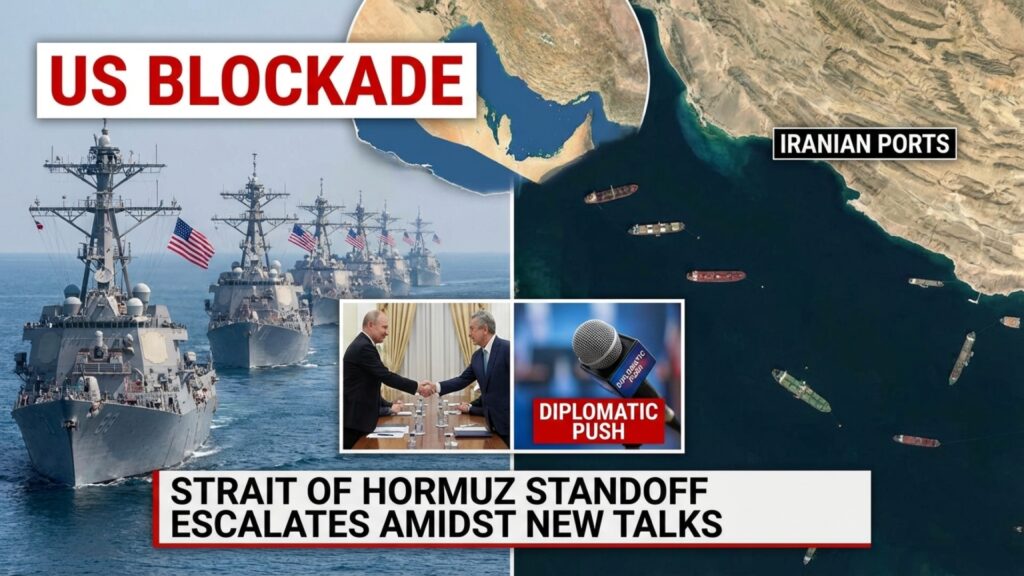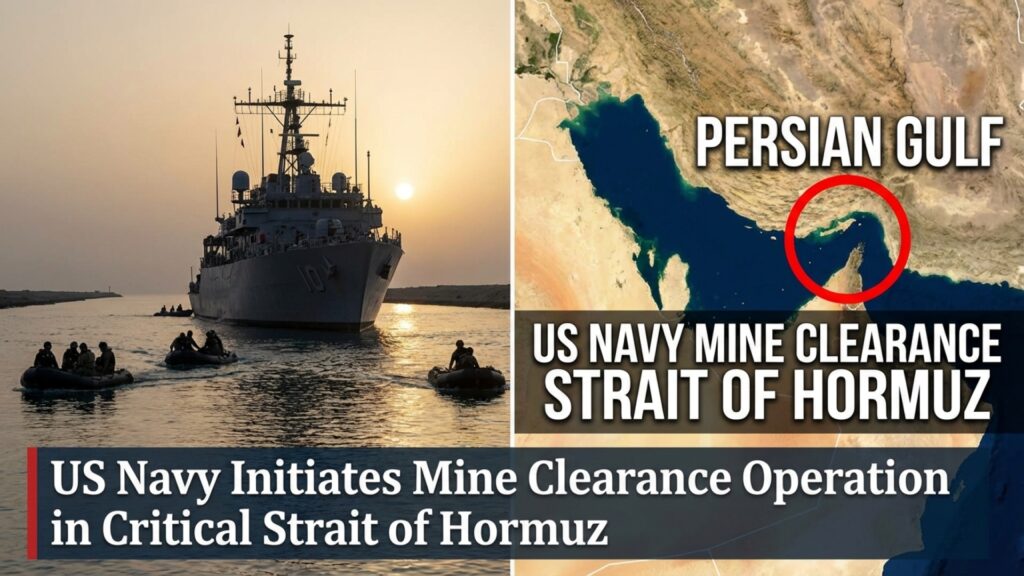
In a move that has sent shockwaves from the halls of the Pentagon to the gas stations of Western New York, the U.S. military has officially declared a full-scale blockade of all Iranian ports and coastal regions. This significant escalation in the ongoing standoff with Tehran has immediately triggered threats of forceful retaliation, casting a shadow of uncertainty over global stability and regional energy security.
U.S. Blockade Initiated Amidst Rising Tensions
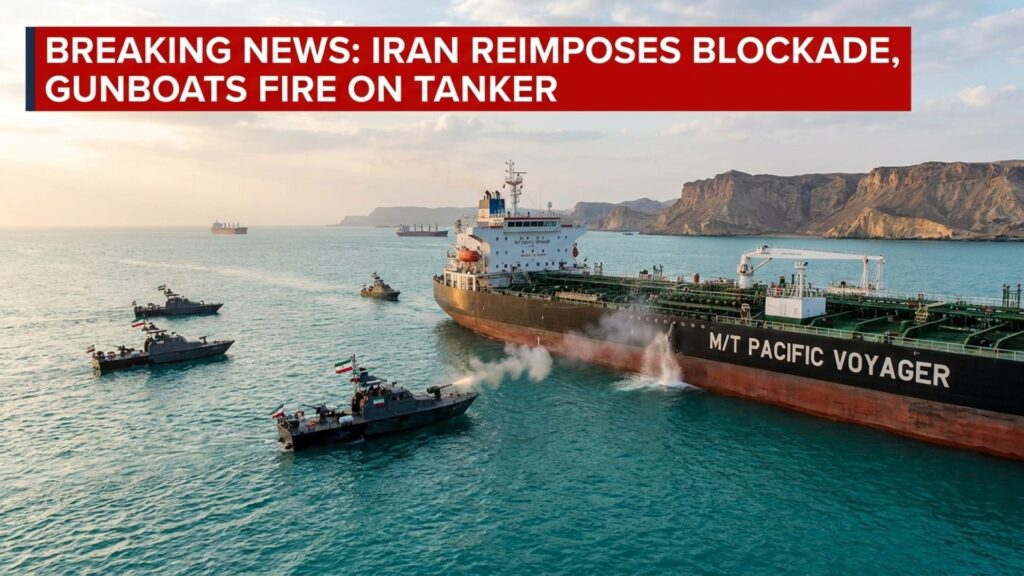
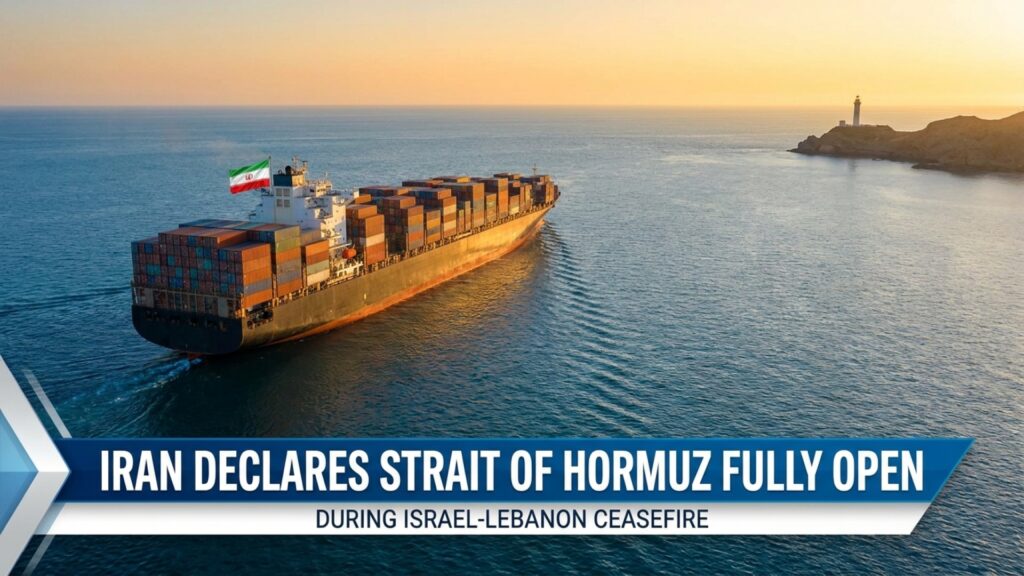
U.S. Central Command (CENTCOM) confirmed that the blockade commenced Monday morning. According to military officials, the operation is being enforced “impartially” against all vessels attempting to enter or depart Iranian territory along the Arabian Gulf and the Gulf of Oman. While ships navigating between non-Iranian ports are still permitted to transit the Strait of Hormuz, the presence of U.S. naval assets has already brought maritime traffic to a near-standstill.
This strategic maneuver follows a period of volatile rhetoric from the White House. Although the current enforcement is slightly more targeted than President Trump’s earlier suggestions of a total closure of the strait, marine trackers indicate that vessel passages have already plummeted to a fraction of their pre-conflict levels. For residents in the Buffalo-Niagara region, the ripple effects of this maritime lockdown are expected to be felt most acutely at the pump.
The Collapse of Diplomacy in Pakistan
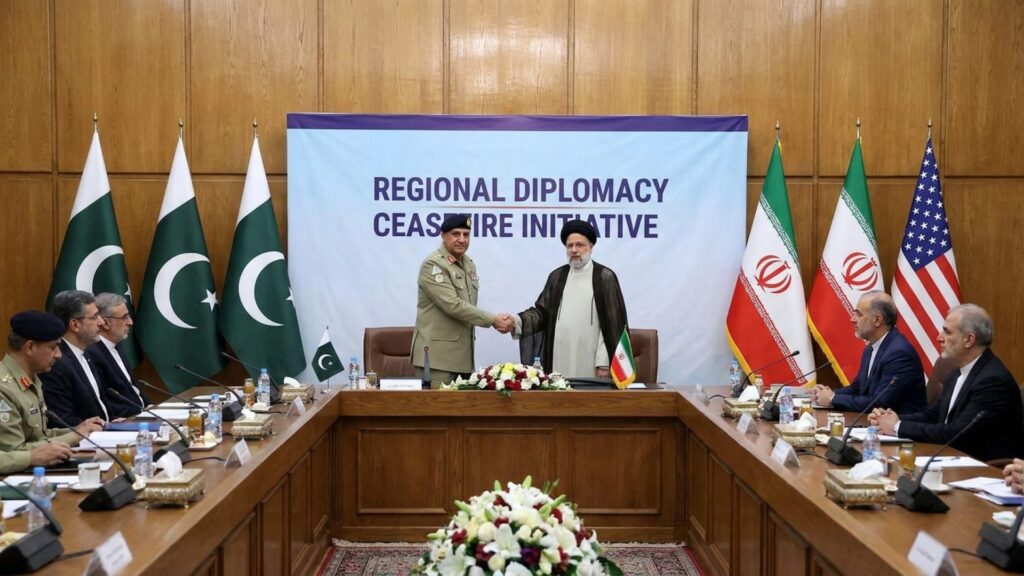
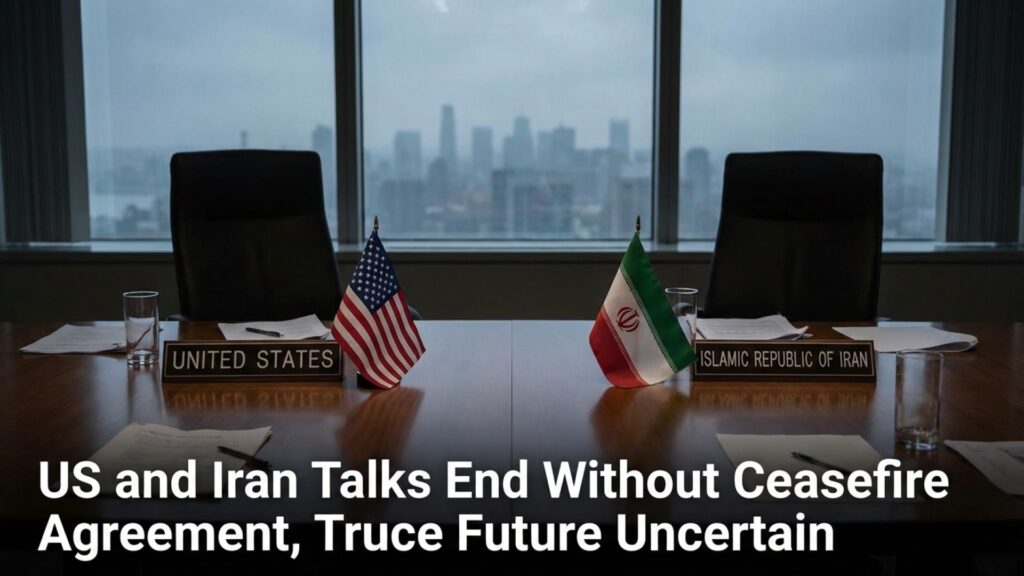
The transition from diplomacy to naval enforcement follows the breakdown of high-stakes ceasefire negotiations held in Pakistan. Over the weekend, U.S. Vice President JD Vance confirmed that talks stalled due to Iran’s refusal to meet American demands regarding the dismantling of its nuclear infrastructure. Conversely, Tehran has demanded the release of frozen assets and reparations for damages incurred during recent U.S.-Israeli strikes.
The collapse of these talks—the highest-level engagement between the two nations since 1979—was further complicated by domestic political friction. President Trump publicly criticized international calls for peace, specifically targeting religious leaders who have urged for a return to the negotiating table, signaling a “maximalist” approach to the conflict.
Impact on Global and Local Energy Markets
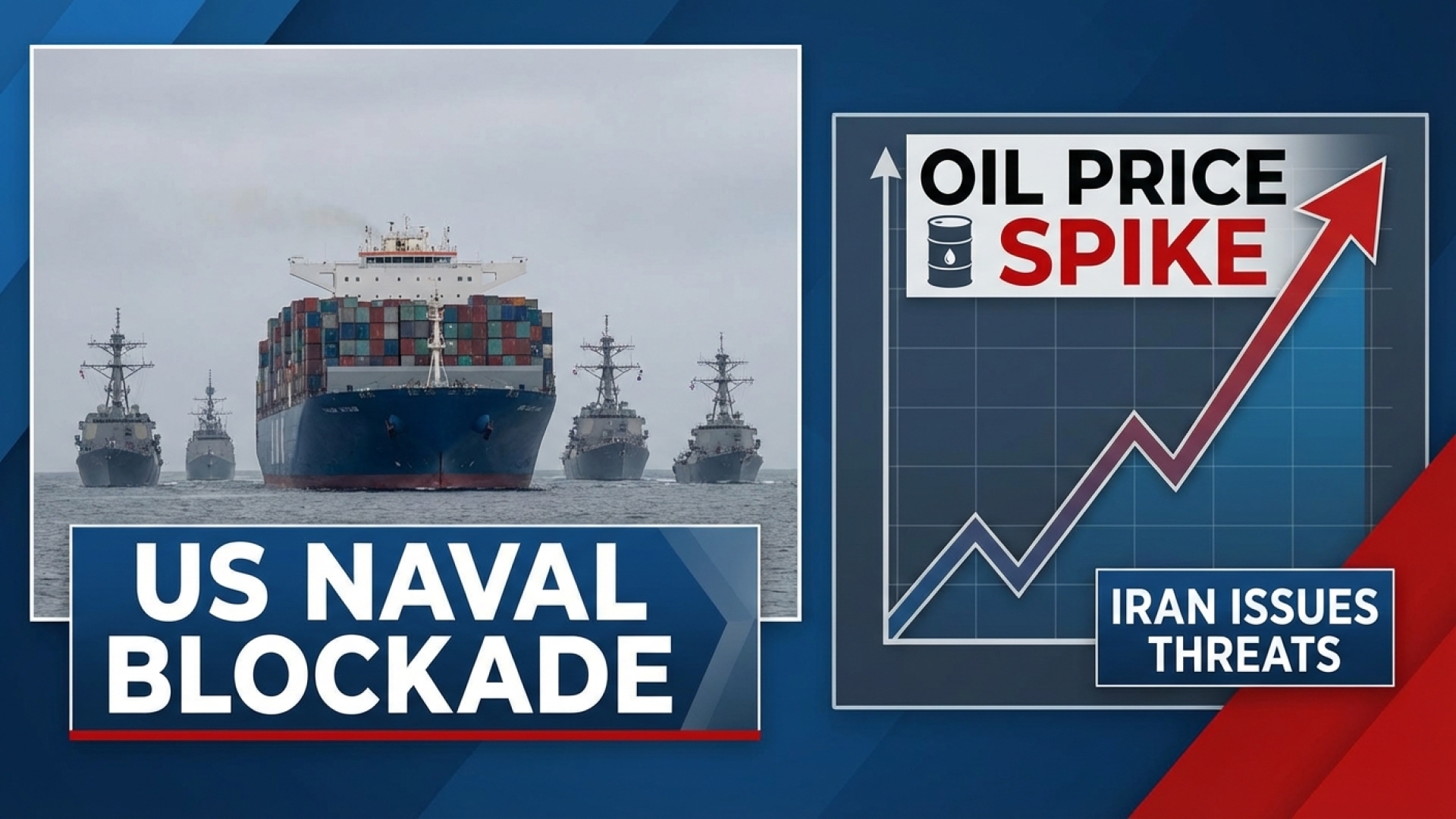
The blockade is designed to sever Iran’s economic lifeline: oil exports. Despite years of sanctions, Iran has maintained a “dark fleet” of tankers to move millions of barrels of crude globally. By physically obstructing these routes, the U.S. aims to eliminate Tehran’s primary source of revenue and diminish its influence over the Strait of Hormuz, which previously handled 20% of the world’s oil supply.
The market response was instantaneous. Crude prices spiked in early trading, a trend that Lake Erie Times analysts suggest will likely lead to higher heating and transportation costs for Western New York families as the spring season approaches.
| Oil Type | Pre-War Price (Feb) | Current Price (Post-Blockade) | Percentage Increase |
|---|---|---|---|
| U.S. Crude (WTI) | ~$65.00 | $104.24 | 60% |
| Brent Crude | $70.00 | $102.29 | 46% |
While the U.S. moves forward with the blockade, international support remains divided. British Prime Minister Keir Starmer has clarified that the United Kingdom will not participate in the blockade, stating that the U.K. remains focused on de-escalation and reopening shipping lanes without being “dragged into the war.”
Iran Warns of “Forceful Response”
Response from Tehran has been swift and defiant. Mohsen Rezaei, a senior military adviser to the Iranian leadership, dismissed the blockade as “imaginary plans” but warned that Iran possesses “untouched levers” to disrupt global trade in return. Iranian parliament speaker Mohammad Bagher Qalibaf issued a direct warning to the White House, suggesting that a physical blockade would be met with direct military confrontation.
The Revolutionary Guard has reiterated its claim of “full control” over the Strait of Hormuz, warning that any military vessel attempting to enforce the blockade will face a forceful kinetic response. With the current ceasefire set to expire on April 22, the window for a non-military resolution appears to be closing rapidly.
The Nuclear Sticking Point
At the heart of the crisis is the persistent issue of Iran’s nuclear capabilities. While Tehran maintains its program is for peaceful civilian use, the U.S. and its allies contend that Iran’s stockpile of enriched uranium is a “short technical step” away from weapons-grade material. The U.S. “red lines” for a new deal include the total dismantling of enrichment facilities and the cessation of funding for regional proxies like Hamas and Hezbollah.
As an investigative reporter covering the regional impacts of international policy, I will continue to monitor how this escalating conflict affects the economic landscape of Buffalo and the broader Western New York community. For more updates on this developing story and its local implications, visit the Lake Erie Times Local News section.
William Strasmore is a dedicated news reporter for Lake Erie Times, providing in-depth coverage of community affairs and regional impacts of global events. For more analyses, visit his author page.
Disclaimer: The content provided by Lake Erie Times is for informational purposes only and should not be considered professional legal or financial advice. Some links on our site are affiliate links; we may earn a commission at no additional cost to you based on our commitment to quality journalism.
Copyright 2025 Associated Press. All rights reserved. This material may not be published, broadcast, rewritten, or redistributed.