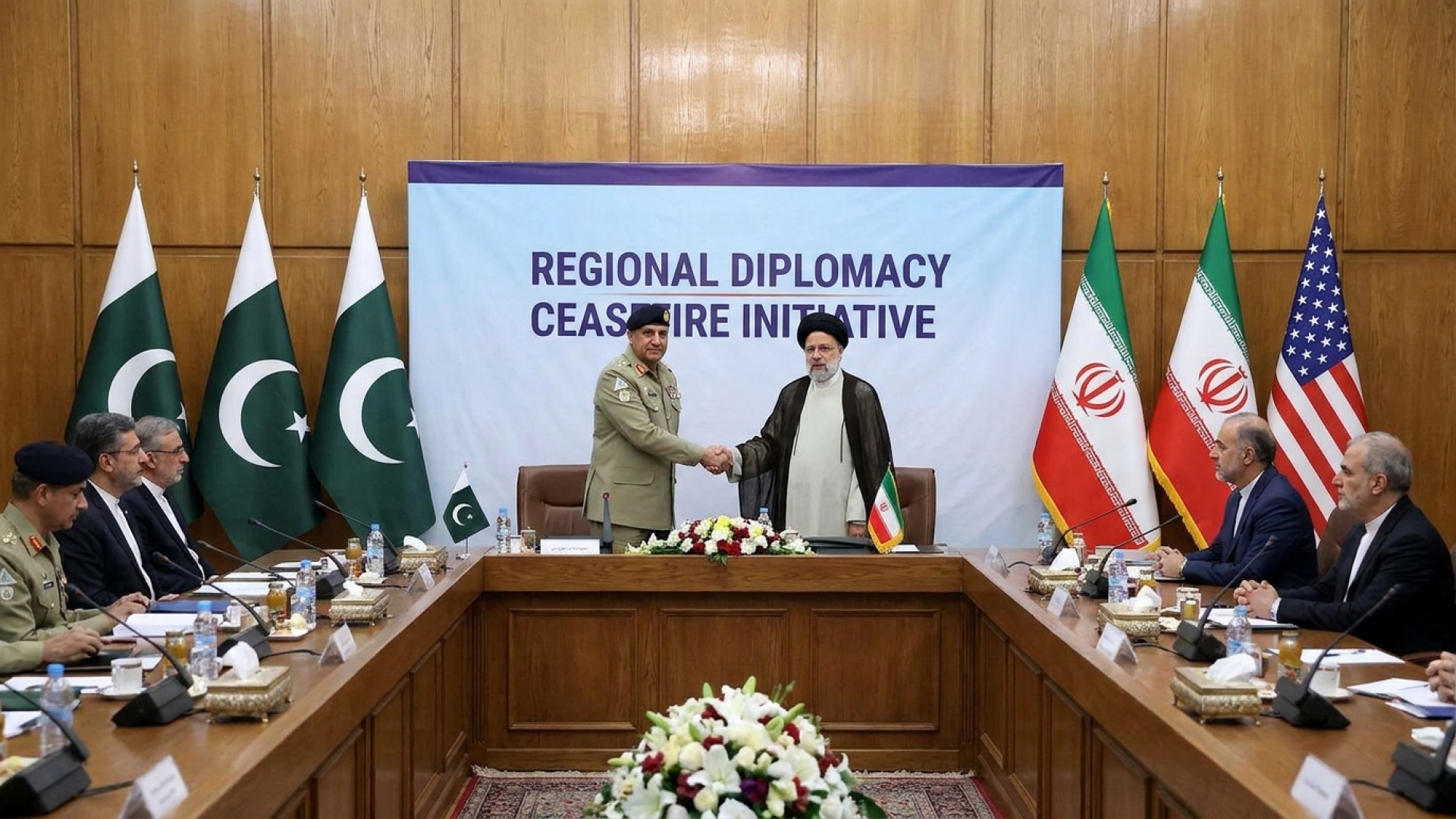
As Western New York residents feel the ripple effects of global instability at the gas pump and within our diverse local communities, international diplomatic efforts have reached a critical juncture. Pakistan’s army chief is scheduled to meet with Iranian officials in Tehran this Thursday, a high-stakes move aimed at extending the ceasefire that paused nearly seven weeks of intense conflict involving Israel, the U.S., and Iran. This war has not only resulted in thousands of casualties but has also sent shockwaves through global markets, directly impacting the oil flow that sustains the economy here in the Buffalo region and beyond.
Pakistan’s Pivotal Role in Global Mediation
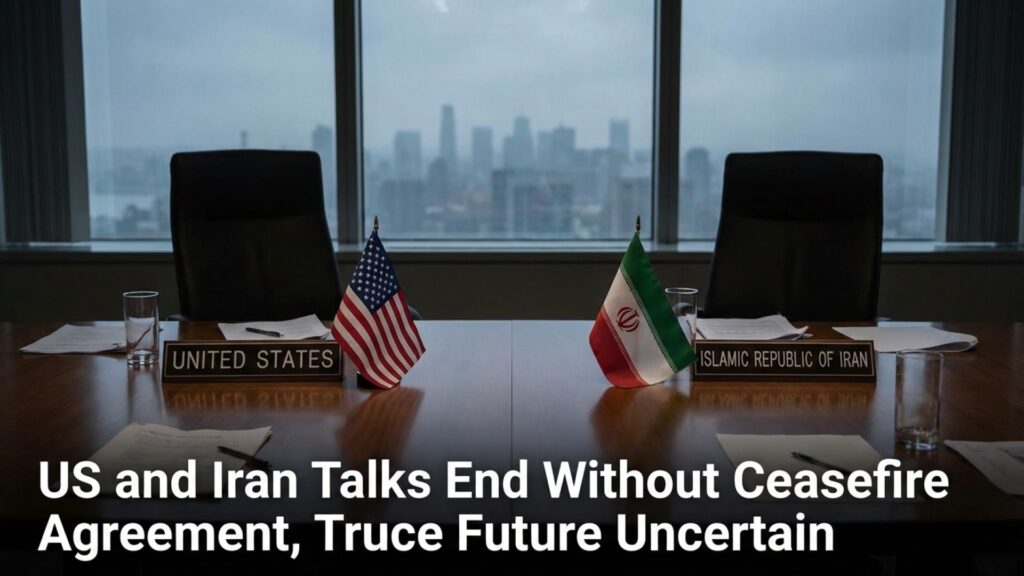
While the fragile ceasefire continues to hold, the White House has suggested that future deliberations will likely center in the Pakistani capital of Islamabad. Despite a U.S. naval blockade of Iranian ports and threats from Tehran regarding Red Sea transit, the pause in major combat operations remains intact for now. Pakistan has emerged as a key mediator, bridging the gap between Washington and Tehran through direct dialogues that authorities claim have significantly narrowed diplomatic differences.
Uncertainty Over Israel-Lebanon Diplomatic Channels
In a move that could signal a historic shift, President Donald Trump announced that the leaders of Israel and Lebanon are expected to speak regarding a cessation of hostilities. This would represent the first direct dialogue between the two nations’ leadership in over three decades. While Gila Gamliel, Israel’s Minister of Science and Technology, expressed optimism for regional “prosperity,” the situation on the ground remains volatile. Hezbollah and the Israeli military exchanged fire throughout Thursday, even as diplomatic talks in Washington sought to resolve the war between Israel and Iran-backed forces.
Negotiation Progress vs. Rising Tensions
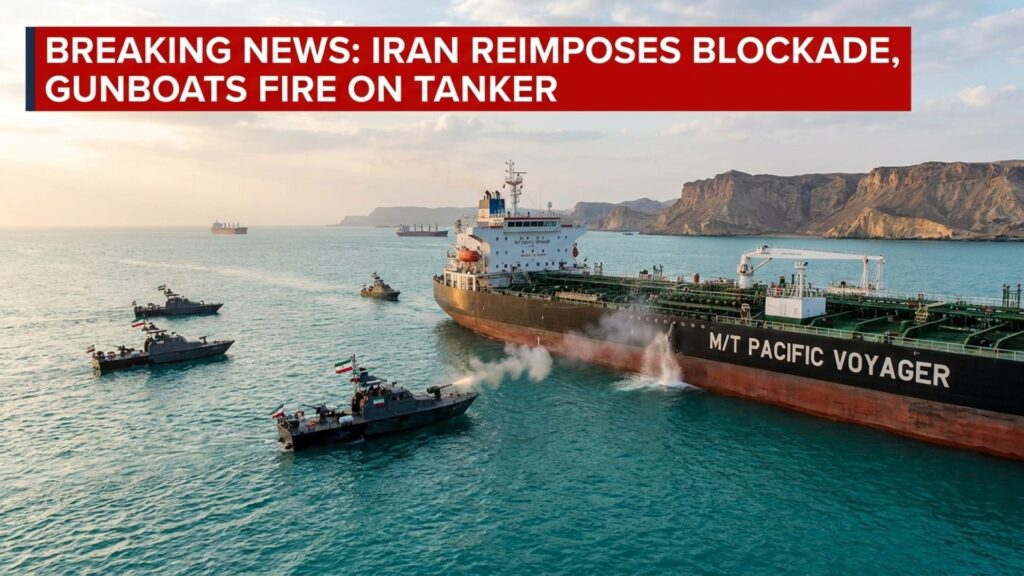
Regional officials report an “in-principle agreement” to extend the current ceasefire, yet internal friction within Iran threatens the process. While the U.S. maintains its blockade on Iranian ports, Ali Abdollahi, commander of Iran’s joint military command, warned of a total trade halt in the region if the restrictions are not lifted. Furthermore, advisors to Iranian Supreme Leader Mojtaba Khamenei have publicly signaled opposition to prolonging the truce.
Current mediation efforts are focused on three primary obstacles that stalled previous talks:
- The Iranian Nuclear Program: Discussions regarding the level and scale of uranium enrichment.
- The Strait of Hormuz: Ensuring freedom of navigation in this critical waterway.
- Wartime Reparations: Addressing compensation for infrastructure damage.
The Economic Ripple Effect in Western New York
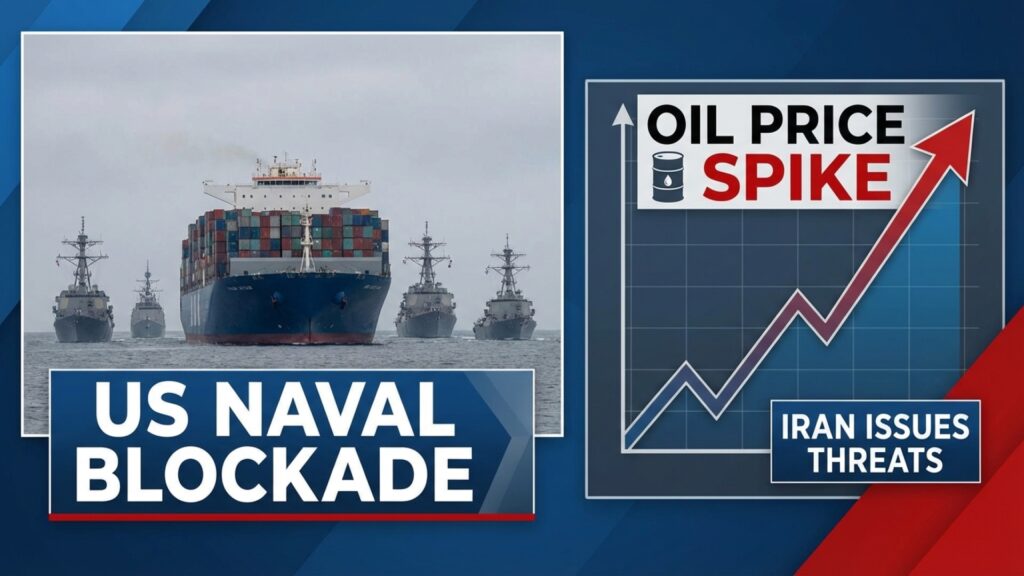
The war has jolted global markets, and the Lake Erie region is no exception. Shipping disruptions have led to a surge in the cost of basic goods. However, the prospect of a lasting peace has recently caused oil prices to fall, providing a glimmer of hope for local consumers. U.S. Treasury Secretary Scott Bessent bolstered this economic pressure by announcing new economic sanctions against entities trading with Iran, framing the move as a “financial equivalent” to military action.
International Stance on Navigation and Trade
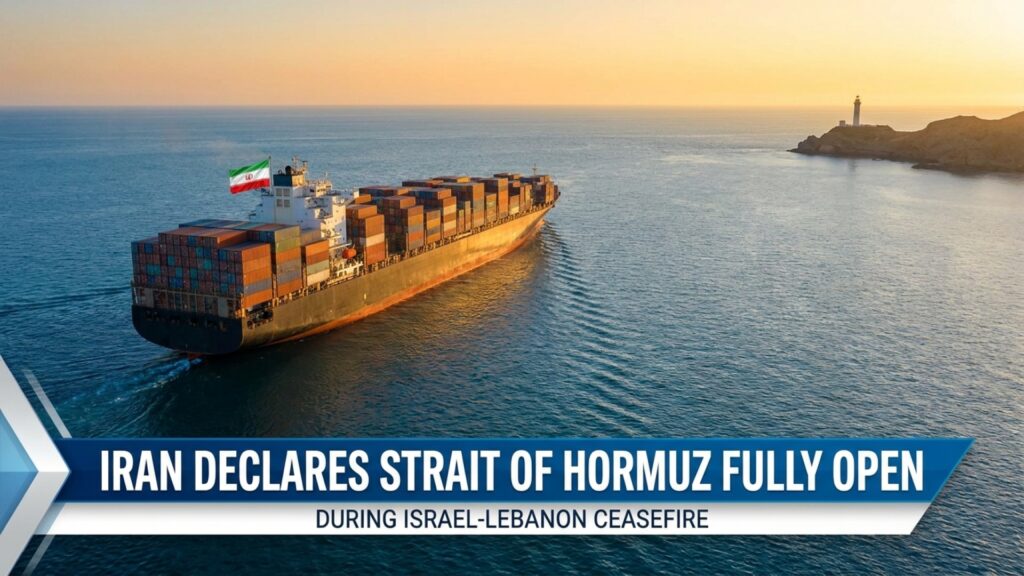
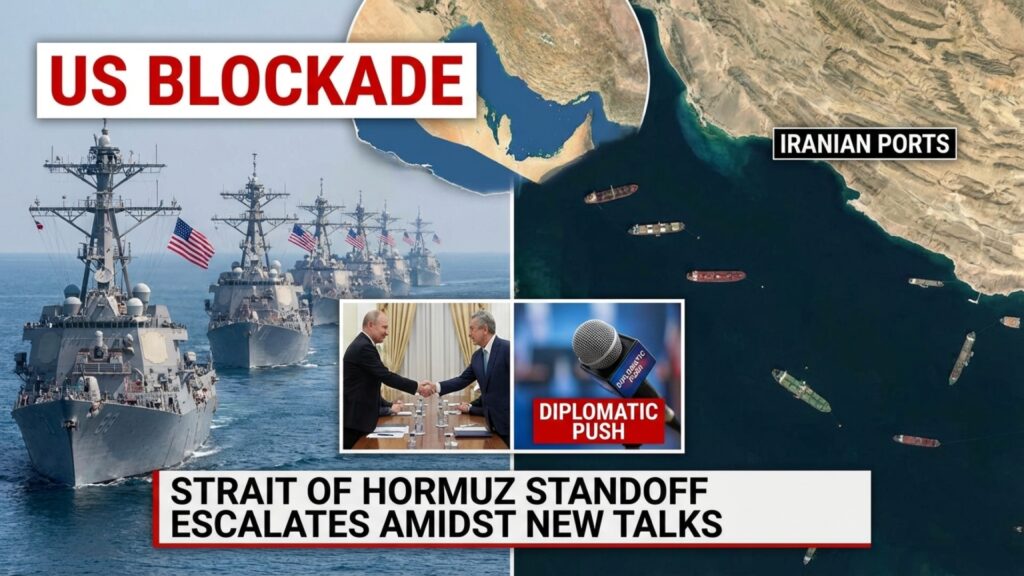
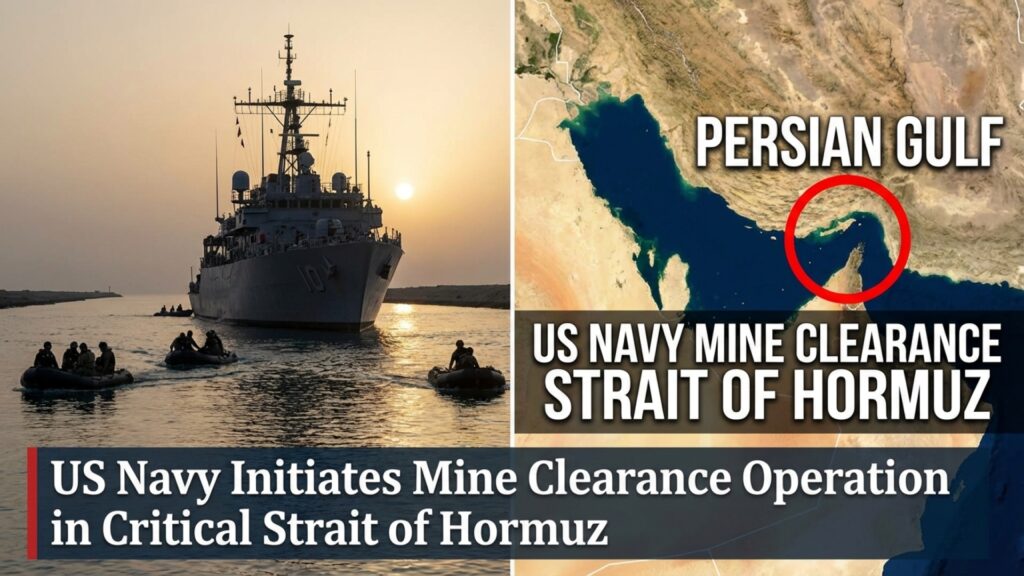
The Strait of Hormuz remains a focal point of the conflict. In peacetime, this 21-mile-wide passage handles twenty percent of the world’s oil. Tehran’s recent closure of the strait has been met with a firm U.S. counter-blockade. U.S. Central Command reports that the blockade has been effective, forcing merchant vessels to comply with directives as the administration seeks to choke off “dark transits” of Iranian oil exports.
The Human Cost of Conflict
The sheer scale of the tragedy is reflected in the rising casualty counts across the Middle East. At Lake Erie Times, we remain committed to reporting the facts of these global events that resonate through our local community.
| Region/Group | Reported Fatalities |
|---|---|
| Iran | 3,000+ |
| Lebanon | 2,100+ |
| Israel | 23 |
| Gulf Arab States | 12+ |
| U.S. Service Members | 13 |
For further updates on how international politics and business affect Western New York, stay tuned to Lake Erie Times.