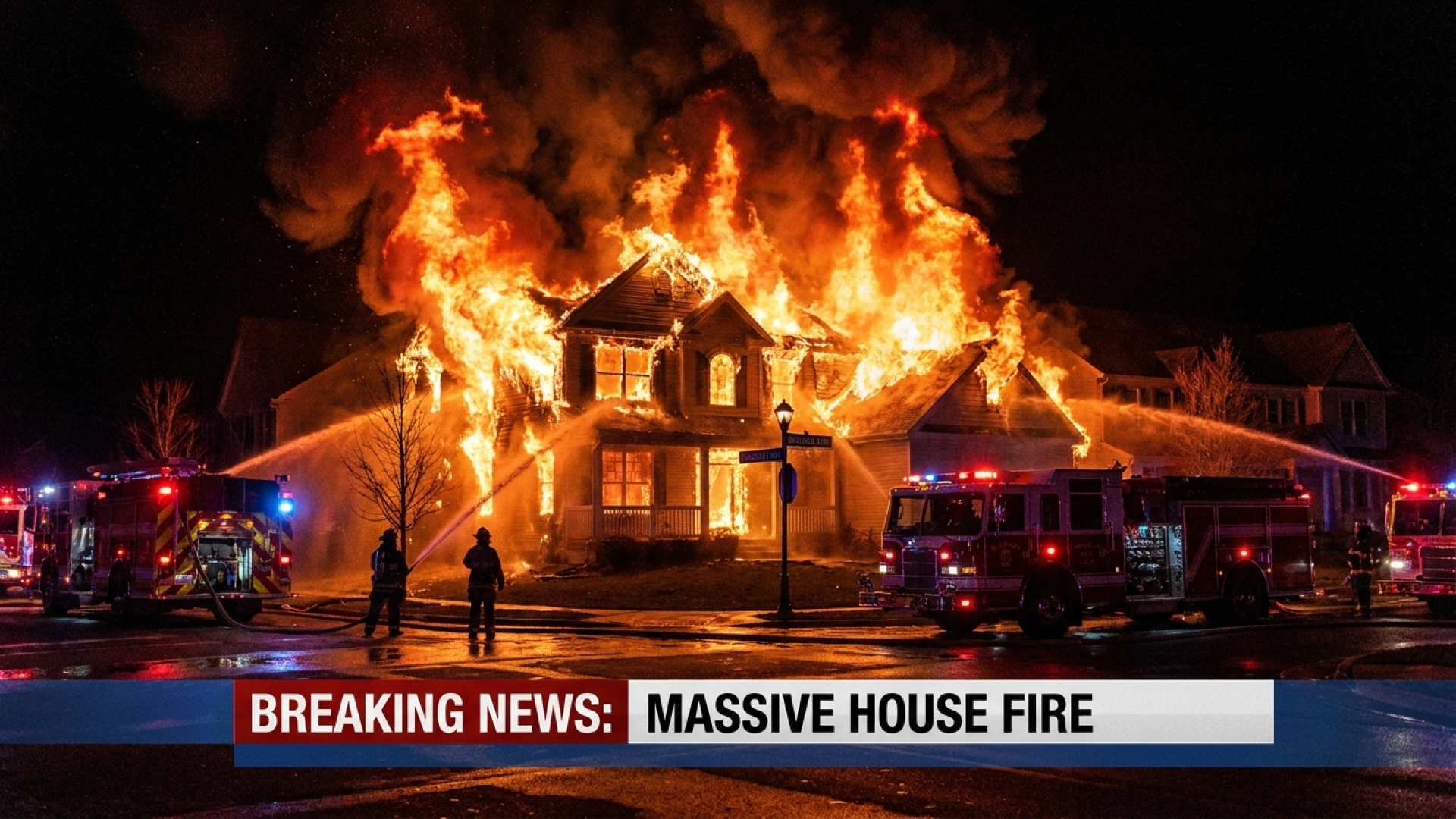
The recent, harrowing house fire reported on Golden Crescent Way in Orchard Park serves as a sobering reminder of how quickly life can change for Western New York families. While investigators continue to work through the debris to determine the exact cause of the blaze, the incident underscores a critical reality for residents across the Buffalo region: fire safety is not a one-time conversation, but a continuous practice of vigilance and preparedness. As part of our commitment at the Lake Erie Times to keep our community informed and safe, we are examining the essential steps every household must take to mitigate risk.
Identifying Common Home Fire Hazards in WNY
In Western New York, our seasonal shifts often introduce specific risks, from hard-working furnaces in the winter to outdoor grilling in the summer. According to safety experts, most residential fires stem from preventable sources. Identifying these hazards is the first step in protecting your property:
- Kitchen Incidents: Cooking remains the leading cause of home fires nationwide. Grease fires and unattended stoves can escalate in seconds. It is vital to stay in the kitchen while frying, grilling, or boiling food.
- Electrical System Strain: Older homes, common in Buffalo and its surrounding suburbs, may have outdated wiring. Overloading circuits or using damaged electrical appliances can lead to catastrophic failures.
- Heating Equipment: With our region’s cold winters, furnaces and space heaters are essential. However, they require annual inspections and must be kept at least three feet away from flammable materials like curtains or furniture.
- Careless Smoking: Smoking materials remain a leading cause of fire-related fatalities. Always ensure cigarettes are fully extinguished in deep, sturdy ashtrays.
- Candle Usage: While they provide ambiance, open flames are inherently risky. Never leave a room without blowing out candles, or consider switching to safer flameless LED candles.
The Household Safety Checklist
Proactive maintenance is your best defense. Use the following table to ensure your home is equipped with the necessary tools for early detection and suppression:
| Safety Equipment | Maintenance Action | Recommended Location |
|---|---|---|
| Smoke Detectors | Test monthly; replace batteries annually. | Every level, inside and outside every bedroom. |
| Carbon Monoxide Detectors | Check monthly; replace unit every 5-7 years. | Near sleeping areas and fuel-burning appliances. |
| Fire Extinguishers | Check pressure gauge monthly. | Kitchen, garage, and near the furnace. |
| Emergency Ladders | Practice unfolding once a year. | Second or third-story bedrooms. |
Essential Equipment for Every Residence
Beyond identifying hazards, equipping your home with modern safety technology is a non-negotiable investment. At the Lake Erie Times, we recommend the following essentials:
- Interconnected Smoke Detectors: If a fire starts in the basement, you want the alarm in your bedroom to sound immediately. Modern smoke detectors offer this interconnected protection.
- CO Detection: Often called the “silent killer,” carbon monoxide is colorless and odorless. Dedicated carbon monoxide detectors are the only way to alert your family to a leak.
- Multi-Purpose Extinguishers: Ensure you have an ABC-rated fire extinguisher. This rating ensures the device can handle wood, paper, flammable liquids, and electrical fires.
- Escape Tools: For multi-story homes in Orchard Park or Buffalo, emergency escape ladders stored under windows can provide a secondary exit when hallways are blocked.
Designing a Western New York Escape Plan
When the alarm sounds, you may have less than two minutes to exit safely. A well-rehearsed plan saves lives. William Strasmore and our local reporting team suggest these community-proven steps:
- Identify Two Ways Out: Every room should have two possible exits, such as a door and a window. Ensure all windows are easy to open and not painted shut.
- Establish a Safe Meeting Spot: Pick a fixed landmark, like a specific tree or the end of the driveway, where everyone can be accounted for.
- Practice Low-Profile Movement: During fire drills, practice crawling low under smoke. The air near the floor is the cleanest and coolest.
- The “Out and Stay Out” Rule: Once you have exited the building, never go back inside for pets or belongings. Notify emergency responders immediately if someone is missing.
Conclusion: A Community Commitment to Safety
The Orchard Park fire was a tragedy that could have happened to anyone. By taking proactive steps today—such as inspecting your heating system and updating your home safety kits—you are doing more than just protecting a building; you are protecting the people who make it a home. Lake Erie Times remains dedicated to providing the residents of Western New York with the insights needed to foster a safer, more resilient community.
Disclaimer: The content provided by Lake Erie Times is for informational purposes only and should not be considered as professional legal or financial advice. Some links on Lake Erie Times are affiliate links. This means that if you make a purchase through these links, we may earn a commission at no additional cost to you.