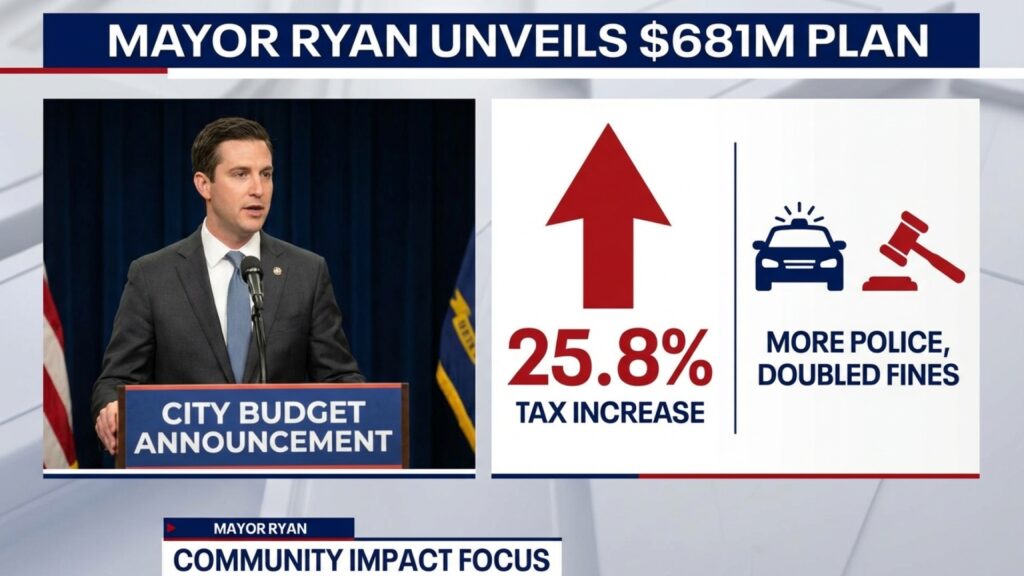
BUFFALO, N.Y. — As Western New York monitors the fiscal health of its largest city, Mayor Ryan has unveiled a comprehensive $681 million budget designed to stabilize Buffalo’s financial future. However, a specific resolution embedded within the 423-page document has sparked a fierce debate over the balance of power between the executive branch and the Common Council. Lake Erie Times has been tracking these developments, which many local advocates view as a significant departure from standard legislative oversight.
Proposed Shift in Control Over City Operations
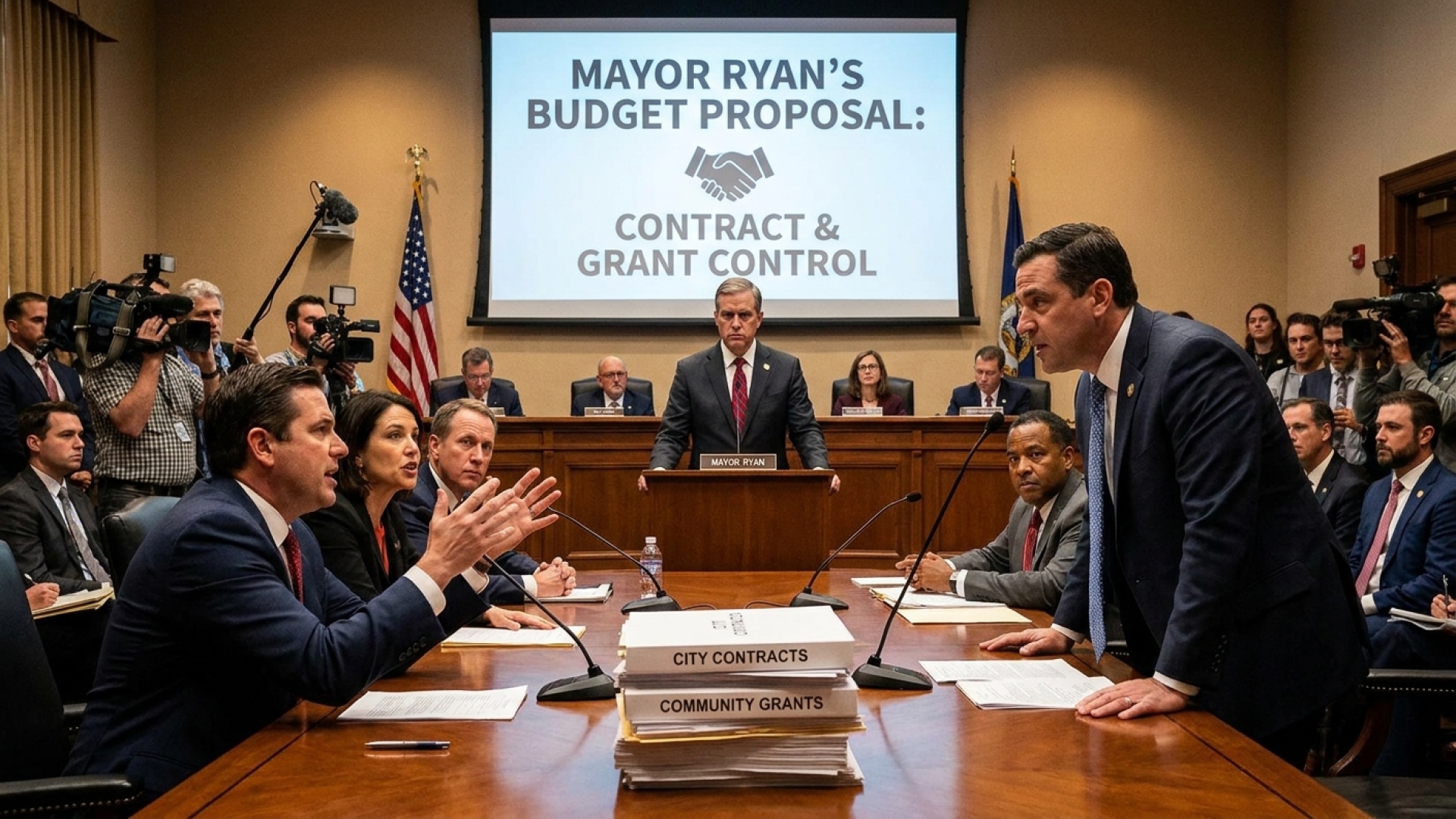
The resolution in question seeks to grant the Mayor’s office broad authority over critical administrative functions, including the management of contracts, vendors, and the distribution of grants. If passed, this measure would allow the administration to move funds and manage over 60 specific vendor agreements without the traditional approval process of the Buffalo Common Council.
Paul Wolf, a prominent open government advocate, describes the proposal as an “unprecedented” maneuver for Buffalo. While the city operates under a strong mayor system, the Common Council typically acts as a essential check by vetting all city contracts. Wolf warns that such a move, hidden within an annual budget rather than presented as a standalone policy change, could diminish public transparency and increase the risk of administrative overreach.
Budget Resolution Overview
| Key Area | Proposed Change | Oversight Impact |
|---|---|---|
| Vendor Contracts | Direct Mayoral management for 60+ vendors. | Bypasses individual Council votes. |
| Grant Distribution | Executive control over fund issuance. | Reduced legislative vetting. |
| Financial Mobility | Easier movement of funds between accounts. | Increased executive discretion. |
Administration Cites Efficiency; Lawmakers Remain Skeptical
Deputy Mayor Swanekamp has defended the resolution, asserting it is not a “power grab” but rather a strategy to align Buffalo with the operational efficiencies seen at the state level. The administration argues that by streamlining these processes, the city can “hit the ground running” at the start of the fiscal year on July 1. According to Swanekamp, the resolution is narrowly tailored to the items already specified in the budget, and the Council would maintain authority over other matters dictated by the city charter.
However, this justification has found little support among city lawmakers. Council President Joel Feroleto and Majority Leader Leah Halton-Pope have both signaled their opposition, emphasizing that the Council will not forfeit its responsibility to scrutinize government spending. President Pro Tempe Zeneta Everhart was more critical, labeling the resolution a “sweeping transfer of authority” that prioritizes control over collaborative governance.
Fillmore District Council Member Mitch Nowakowski and North District Council Member Joseph Golombeck have echoed these concerns, noting that the city’s existing strong-mayor structure already provides the executive branch with significant influence. For many on the Council, further consolidating power would undermine the essential system of checks and balances that protects Buffalo taxpayers.
As the debate continues, residents can review the full resolution on the official city website. Lake Erie Times will continue to provide in-depth coverage of this and other local news stories affecting our Western New York community.
About the Author: William Strasmore is a veteran news reporter for Lake Erie Times, specializing in investigative journalism and regional political analysis. His work focuses on bringing transparency to local government and exploring the issues that shape Western New York.