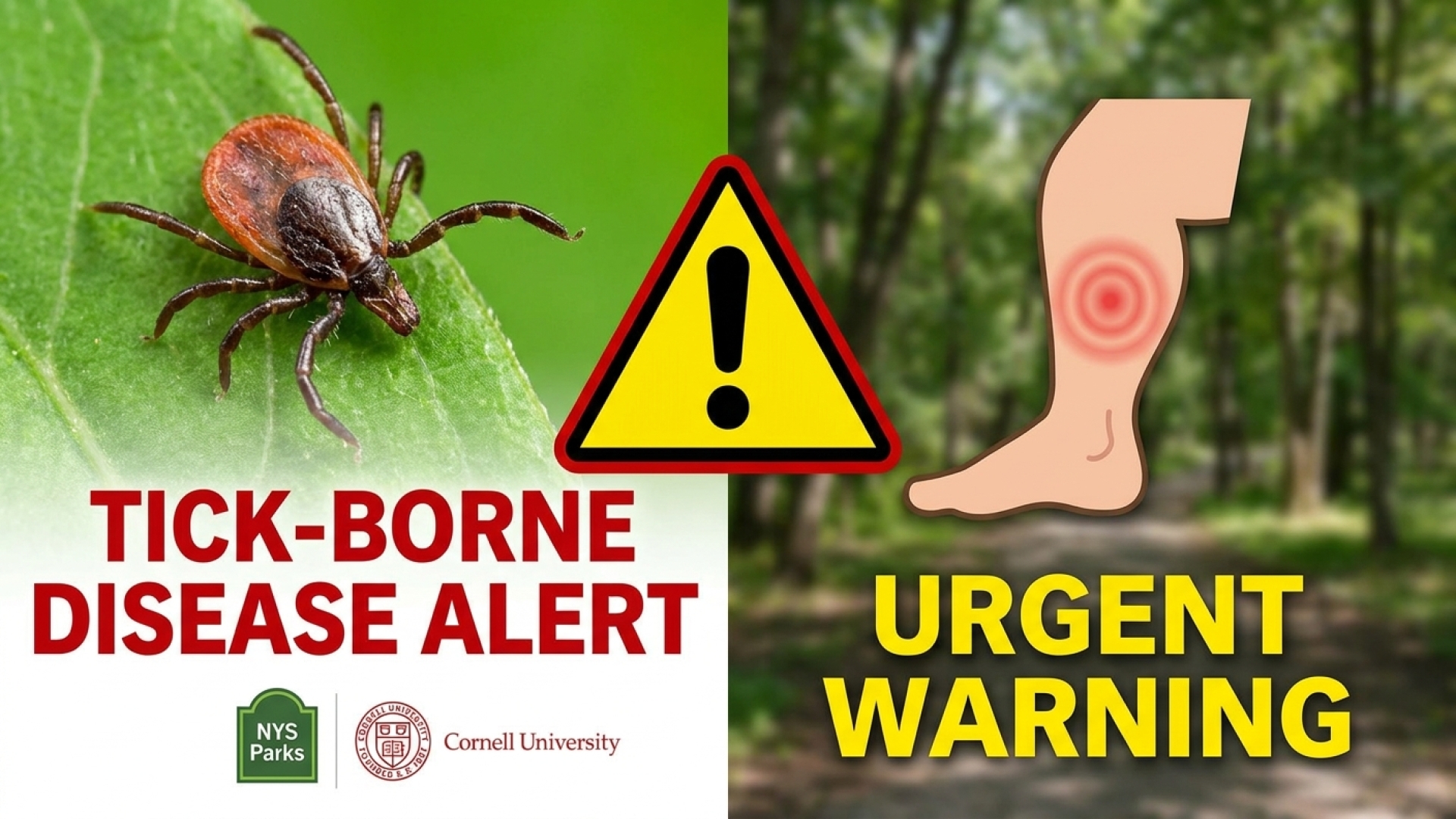
As the spring season takes hold across Western New York, residents from the Southtowns to the Niagara Frontier are being urged to exercise heightened caution during outdoor activities. New York State Parks and Cornell University researchers have issued a joint alert following a significant surge in tick encounters across the region. For Buffalo-area hikers, gardeners, and families, the message is clear: the threat of tick-borne illness is no longer a distant concern, but a pressing local health issue.
According to Emily Mader of Cornell’s Department of Entomology, the primary culprit this season is the deer tick nymph. These juvenile ticks are exceptionally dangerous due to their size; typically no larger than a poppy seed or a small freckle, they are easily overlooked during casual inspections. These nymphs remain highly active and aggressive from April through early July, seeking hosts in the wooded areas and tall grasses common throughout our local trail systems.
Recent data from 2025 highlights a troubling upward trend. Cases of Lyme disease, anaplasmosis, and babesiosis have seen a measurable increase across New York, with Western New York seeing a notable share of these reports. This spike in transmission underscores the necessity for proactive prevention rather than reactive treatment.
High-Risk Tick-Borne Diseases in New York
To help residents understand the specific threats present in our environment, the following table outlines the most common illnesses currently being tracked by health officials:
| Disease | Primary Vector | Key Symptoms |
|---|---|---|
| Lyme Disease | Black-legged (Deer) Tick | Fever, headache, fatigue, “bullseye” rash |
| Anaplasmosis | Black-legged (Deer) Tick | Fever, muscle aches, chills, nausea |
| Babesiosis | Black-legged (Deer) Tick | Flu-like symptoms, anemia, sweats |
Essential Strategies for Regional Prevention
The Lake Erie Times team, in coordination with regional health experts, recommends several defensive measures for those enjoying Western New York’s natural beauty:
- Stay Centered on Trails: Whether walking through Chestnut Ridge or the Tifft Nature Preserve, avoid veering into high grass or dense brush. Ticks are ambush predators that wait on the tips of vegetation to latch onto passing hosts; they do not jump or fall from trees.
- Dress Defensively: Wear long-sleeved shirts and long pants. A vital tip is to tuck your pants into your socks, creating a physical barrier against ticks crawling up from the ground. Opt for light-colored fabrics to make spotting crawling nymphs much easier.
- Utilize Repellents: Apply an effective EPA-registered insect repellent containing DEET, picaridin, or IR3535 to both skin and clothing. For frequent hikers, treating outdoor gear with permethrin provides an additional layer of long-lasting protection.
The Critical Importance of Post-Activity Checks
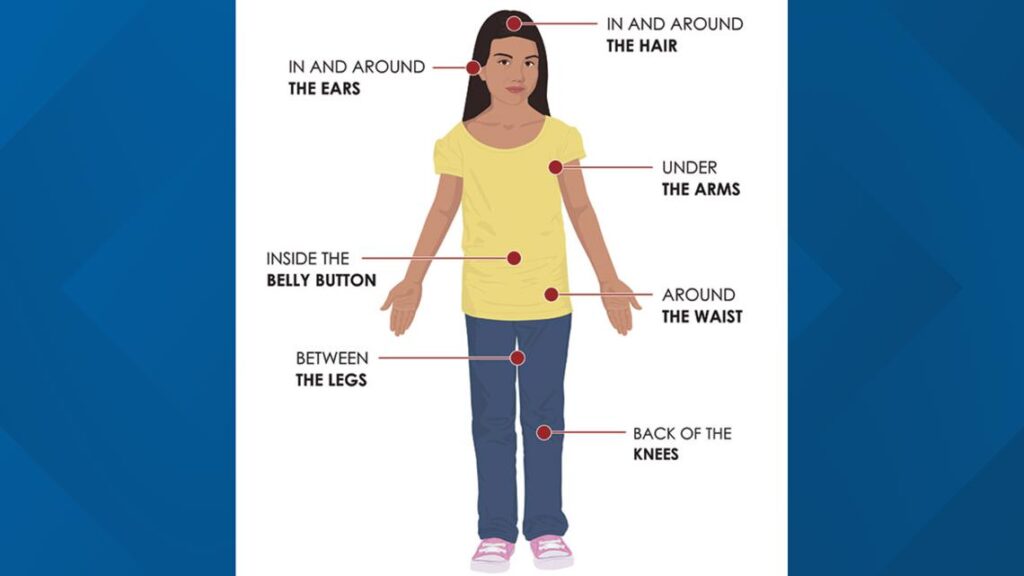
A “tick check” should become a mandatory part of your routine after any outdoor exposure, including yard work or walks in suburban parks. Carefully inspect the entire body, with specific focus on high-risk areas: the groin, behind the ears, the scalp, and the underarms.
Do not forget your pets. Dogs and cats can easily transport ticks into your living space, where they may eventually migrate to human hosts. Checking gear, such as backpacks and blankets, is also recommended before bringing items inside.
Safe and Effective Removal Procedures
If you find a tick attached to your skin, do not panic, but act swiftly. Using fine-tipped tweezers, grasp the tick as close to the skin as possible—ideally by the head. Pull upward with steady, even pressure. Avoid the common mistake of twisting or jerking the tick, as this often causes the mouth-parts to break off and remain embedded, increasing the risk of localized infection. Once the tick is removed, clean the bite site and your hands thoroughly with rubbing alcohol or soap and water.
The content provided by Lake Erie Times is for informational purposes only and should not be considered as professional medical, legal, or financial advice. Some links on Lake Erie Times are affiliate links. This means that if you make a purchase through these links, we may earn a commission at no additional cost to you. Our recommendations are based on careful research and our commitment to quality journalism.