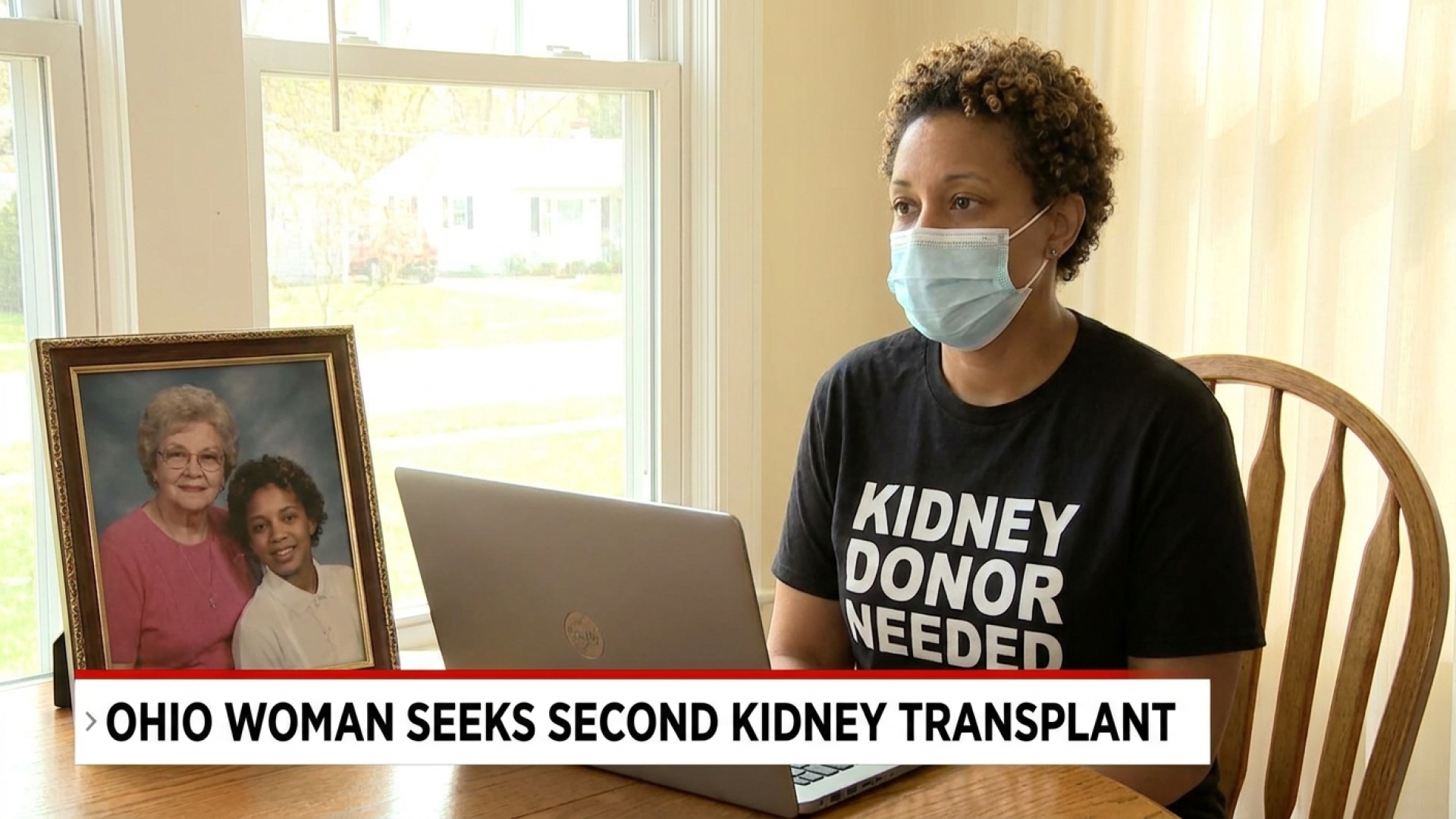
A Renewed Plea for Life: Tanya Stehler’s Decades-Long Battle with Kidney Disease
In a story that resonates deeply with the resilience often seen across the Great Lakes region, Tanya Stehler is facing the fight of her life. Two decades after a life-saving gift from her mother, she finds herself back at a critical crossroads, searching for a stranger to provide the same miracle that once granted her a second chance. Her journey, marked by both profound loss and unwavering service, highlights the urgent need for living donors in our broader community.
For those following lifestyle and health news at the Lake Erie Times, Stehler’s story is a poignant reminder of the medical challenges facing many families. Her battle began long before she reached adulthood, and its latest chapter serves as a call to action for regional health advocacy.
The Early Struggle: Understanding IgA Nephropathy
Tanya Stehler’s medical odyssey started at the age of eight. What began as persistent headaches quickly escalated into a life-threatening emergency. During a routine pediatric visit, her blood pressure was recorded at a staggering 167/187—levels that put her at immediate risk of a stroke or heart attack.
Following an emergency admission to Akron Children’s Hospital, Tanya was diagnosed with IgA nephropathy, also known as Berger’s disease. This rare autoimmune condition causes an antibody called immunoglobulin A (IgA) to build up in the kidneys, resulting in local inflammation that, over time, hampers the kidneys’ ability to filter waste from the blood. At the time of her diagnosis, she was among only a small handful of children in the country documented with this aggressive condition.
The medical team provided a sobering forecast: eventually, Tanya would require either a lifetime of dialysis or a transplant. For the next decade, she managed the disease through strict medication and monitoring, a testament to her family’s dedication to her health.
A Mother’s Gift and a Tragic Intersection
In 2004, the stakes reached a fever pitch. Tanya, then 20 years old, became pregnant with her son, Christian. The physical demands of the pregnancy proved too much for her compromised kidneys, leading to full renal failure. Tragically, Christian was delivered prematurely and passed away shortly thereafter.
By early 2005, Tanya’s survival depended on a transplant. Her mother, Lynn, did not hesitate to step forward. “There was no question in my mind whether somebody else was a match or not,” Lynn recalled. “I was first in line.”
The successful transplant in August 2005 gave Tanya 21 years of health. It was a period she did not waste, dedicating herself to the community as a transplant mentor. She has spent years guiding others through the complexities of the organ donation process, ensuring no one in her network feels isolated by their diagnosis.
The Current Crisis: Stage Four Renal Failure
Today, the kidney donated by her mother is failing. Tanya is currently in stage four renal failure, a condition that leaves her feeling chronically ill while she continues to work a full-time schedule. Despite the physical toll, she remains a tireless advocate for her own survival and that of others on the waiting list.
The challenge remains finding a compatible match. “So far I haven’t had anyone that has been willing to even get tested,” Tanya noted, emphasizing that the initial screening process is a simple blood test.
The Impact of the Living Donor Protection Act
Since Tanya’s first transplant in 2005, the landscape for organ donation has changed significantly, particularly regarding legal protections for donors. This is a critical area of interest for those following politics and labor laws at the Lake Erie Times.
The federal Living Donor Protection Act was designed to remove barriers for individuals willing to give the gift of life. Key protections include:
| Feature | Benefit to Living Donors |
|---|---|
| Job Security | Ensures donors can use FMLA leave for surgery and recovery without fear of losing their employment. |
| Insurance Protection | Prohibits insurance companies from denying or limiting coverage or charging higher premiums based on donor status. |
| Simplified Screening | Modern medical protocols allow for initial compatibility testing through a simple, non-invasive blood draw. |
A Call for Regional Solidarity
As an investigative reporter focusing on our regional dynamics, it is clear that the shortage of organ donors is a public health issue that requires community-wide attention. Tanya’s story is not just an Ohio story; it is a human story that reflects the needs of patients across Western New York and the Lake Erie basin.
Tanya and her mother, Lynn, continue to advocate for awareness. Their message is clear: the first step to saving a life is as small as a blood test. For those interested in learning more about local donation efforts or the transplant process, staying informed through local news updates is the first step toward making a difference.
The information provided by Lake Erie Times is for informational purposes only and should not be considered as professional medical, legal, or financial advice. Some links on Lake Erie Times are affiliate links; however, our recommendations are based on careful research and a commitment to quality journalism.