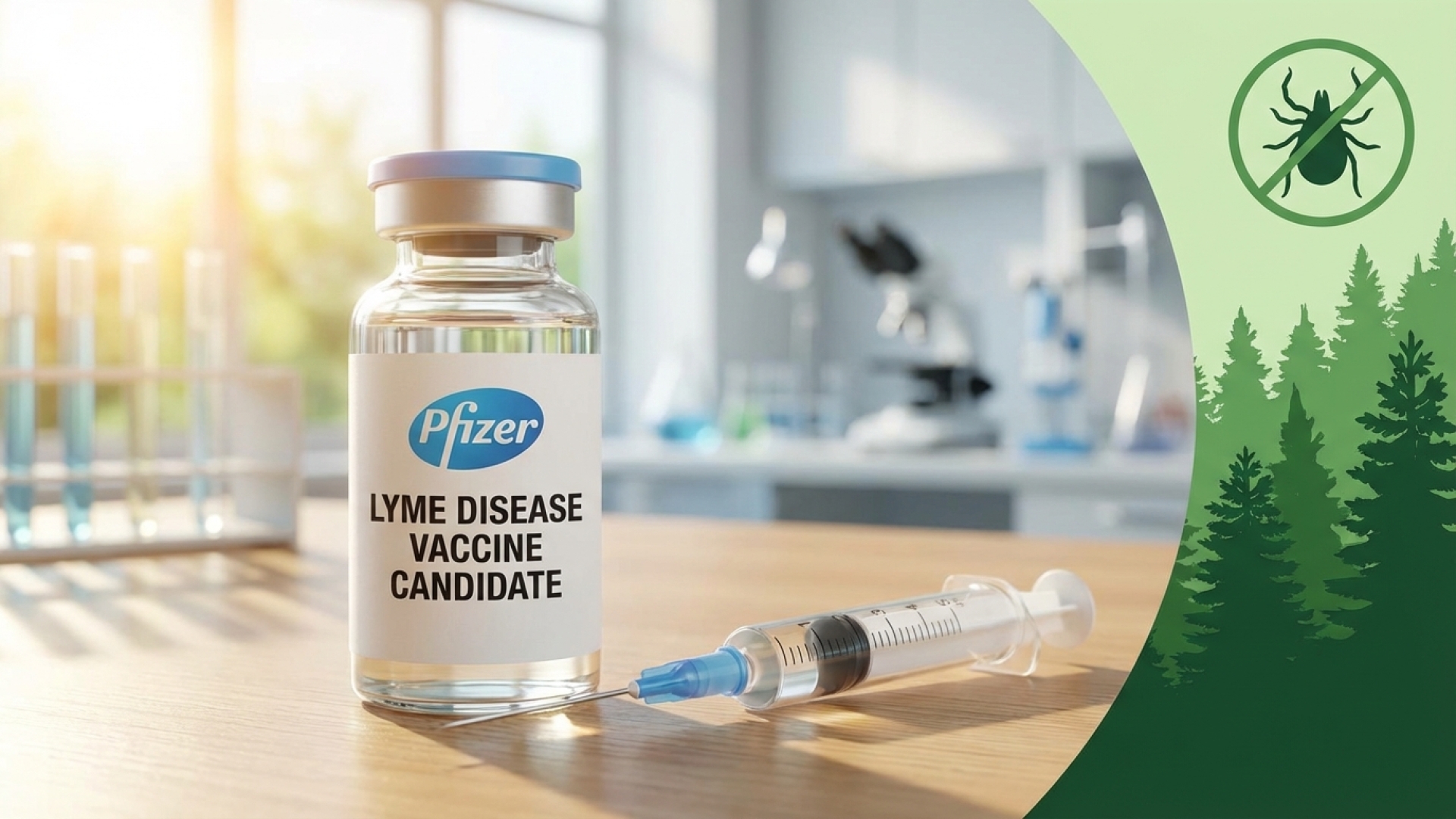
For residents across Western New York, from the hiking trails of Chestnut Ridge to the wooded suburbs of Amherst and Orchard Park, the threat of tick-borne illness is a growing concern. A significant breakthrough in public health is now on the horizon as a new Lyme disease vaccine for humans nears potential regulatory approval. This development, led by a collaboration between Pfizer and Valneva, focuses on a vaccine candidate known as VLA15, part of the VALOR (Vaccine Against Lyme for Outdoor Recreationists) clinical study. Pfizer recently provided an encouraging update, signaling a move toward federal submission in the coming months.
Clinical Results: A Potential Shield for WNY Outdoor Enthusiasts
The clinical trial for the VLA15 candidate has produced promising data, positioning it as a vital tool for those living in high-risk regions like the Lake Erie basin. Designed to protect individuals aged five and older, the vaccine aims to fill a critical gap in American preventative medicine, as no human vaccine for Lyme disease is currently available on the U.S. market.
The VALOR trial demonstrated a vaccine efficacy of over 70% in preventing the disease among participants. This level of protection represents a substantial hurdle cleared in clinical testing, providing strong evidence that the shot could drastically reduce new infection rates. Furthermore, the analysis indicates that the vaccine is well-tolerated, with no significant safety concerns identified during the monitoring period. Detailed findings can be found in the official Pfizer and Valneva press release.
| Vaccine Feature | Details |
|---|---|
| Target Age Group | 5 years and older |
| Efficacy Rate | Reported >70% effectiveness |
| Primary Vector | Blacklegged (Deer) Ticks |
| Current Status | Phase 3 Clinical Trials / Regulatory Planning |
Recognizing the Impact of Lyme Disease
Lyme disease is a bacterial infection transmitted through the bite of infected blacklegged ticks. In Western New York, these ticks thrive in tall grasses and leaf litter, making local gardens and parks primary transmission sites. The CDC estimates that nearly 476,000 Americans are diagnosed and treated for the illness annually, highlighting the urgency for better preventative measures.
Symptoms and Progression
Early detection is vital for recovery. Common early-stage symptoms include:
- Fever and chills
- Persistent fatigue and muscle aches
- The “bull’s-eye” rash (erythema migrans)
If the infection goes untreated, it can spread to the joints, heart, and nervous system, leading to complications such as facial palsy, heart palpitations, and debilitating arthritis. While most cases respond well to early antibiotic treatment, chronic symptoms can persist in some patients, a condition often referred to as Post-Treatment Lyme Disease Syndrome.
Local Relevance: The History and Future of Prevention
The disease was first identified in 1975 in Lyme, Connecticut, following an unusual cluster of pediatric arthritis cases. Since then, it has become the most common vector-borne illness in the United States, with a heavy concentration in the Northeast and Great Lakes regions. For a deeper historical perspective, residents can review Connecticut’s public health archives.
This is not the first attempt at a human vaccine. In 1998, a vaccine called LYMErix was approved but was voluntarily withdrawn from the market by its manufacturer in 2002. Despite an FDA conclusion that the vaccine did not cause arthritis, low demand and public skepticism hampered its success. Today, with improved clinical transparency and a higher incidence of tick-borne illness in communities like Buffalo and Niagara Falls, the climate for a new vaccine has changed significantly.
Staying Safe in Western New York
While the medical community awaits the availability of VLA15, Lake Erie Times reminds readers that proactive prevention remains the best defense. Even with a future vaccine, standard tick-safety protocols are essential for WNY families:
- Use EPA-registered insect repellents containing DEET or Picaridin.
- Wear long sleeves and pants when hiking in wooded areas like Letchworth State Park or the Niagara Gorge.
- Perform thorough tick checks on children and pets after outdoor activities.
- Tumble dry clothes on high heat for 10 minutes to kill any remaining ticks.
The potential rollout of the Pfizer-Valneva vaccine represents a major milestone for regional health. As an investigative look into our community’s well-being, the Lake Erie Times will continue to monitor the FDA approval process and provide updates on when this preventative measure might become available at local pharmacies and clinics.
Disclaimer: The content provided by Lake Erie Times is for informational purposes only and should not be considered as professional legal or financial advice. Some links on Lake Erie Times are affiliate links. This means that if you make a purchase through these links, we may earn a commission at no additional cost to you.