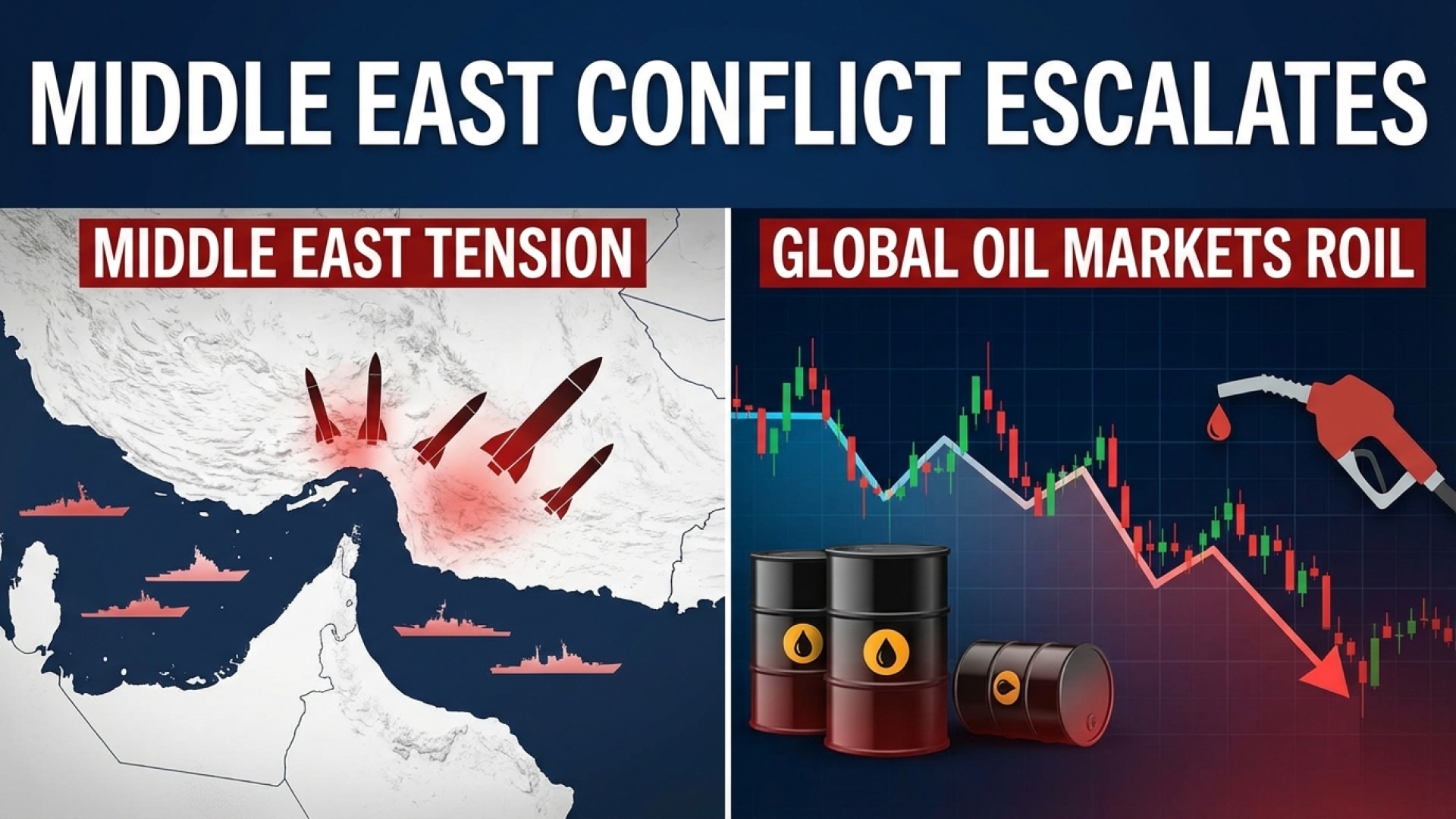
The dawn of Friday brought no reprieve for the escalating conflict in the Middle East as a wave of fresh attacks rippled across the region. With Israel reporting incoming fire from Iran, and both Kuwait and Bahrain confirming they are under threat, the geopolitical instability is increasingly straining global energy markets—an issue with direct economic implications for Western New York and the broader U.S. economy.
Tehran continues to project military power despite assertions from U.S. President Donald Trump that the country’s strategic threat had been largely neutralized. This defiance was underscored by the collapse of a major bridge in Iran following a U.S. strike. While the administration cheered the destruction of what is reportedly the tallest bridge in the Middle East, Iranian officials decried the loss of life. At least eight people were killed and 95 injured during celebrations for Nature Day, the final day of the Persian New Year (Nowruz).
“Striking civilian infrastructure only conveys the defeat and moral collapse of an enemy in disarray,” stated Iranian Foreign Minister Abbas Araghchi in a public address following the incident.
Strategic Chokeholds and Global Energy Impact
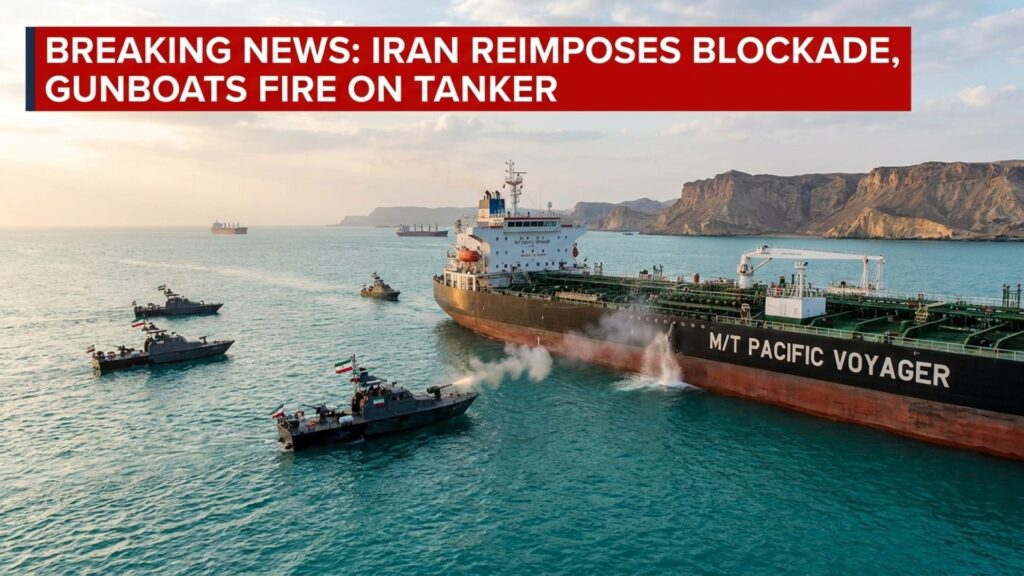
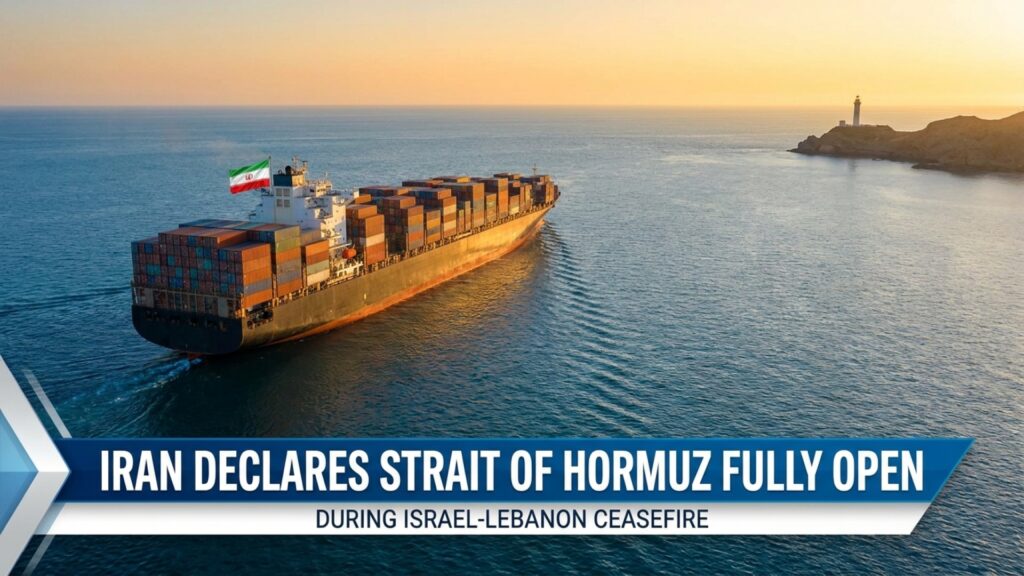
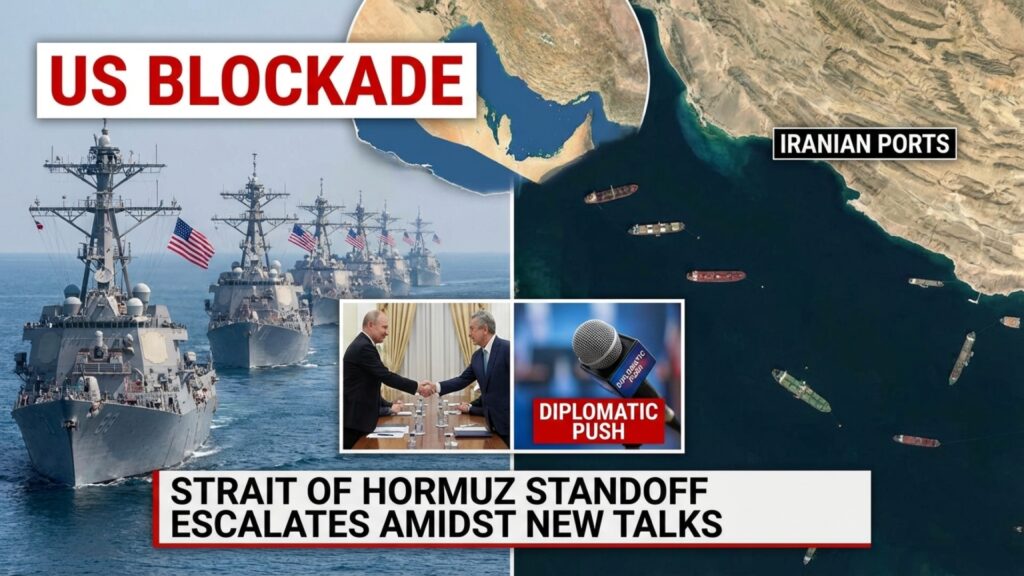
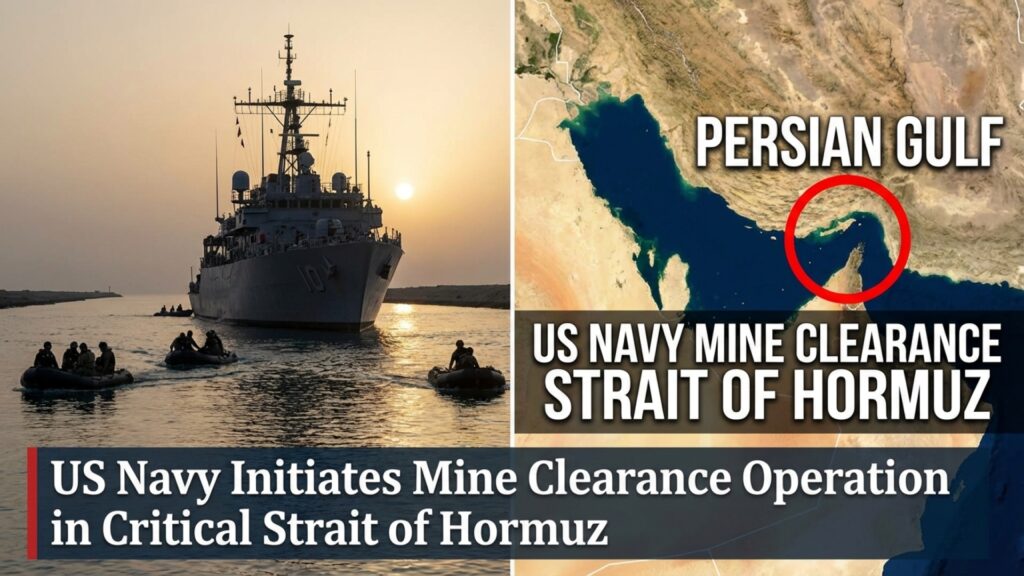
The most potent weapon in Iran’s arsenal remains its proximity to the Strait of Hormuz. By disrupting traffic through this vital waterway, Iran has managed to destabilize energy supplies far beyond its borders. For residents in the Buffalo region, these international tensions are manifesting at local gas stations, as global crude prices continue their volatile climb.
On Wednesday, President Trump suggested that countries dependent on the strait should use force to reopen it, stating they must “build some delayed courage” to secure their own interests. However, the international community remains cautious. British Foreign Secretary Yvette Cooper recently convened a summit with nearly three dozen nations to discuss diplomatic and security measures for the waterway, though few seem willing to engage in a direct military confrontation while active combat persists.
| Location/Group | Reported Fatalities | Displaced Persons |
|---|---|---|
| Iran | 1,900+ | N/A |
| Lebanon | 1,300+ | 1,000,000+ |
| Israel | 19 (Civilian) / 10 (Soldiers) | N/A |
| Gulf States & West Bank | 24+ | N/A |
| U.S. Service Members | 13 | N/A |
The Economic Toll of a Shut Strait
Data from Lloyds List Intelligence highlights the severity of the maritime blockade. Since the beginning of March, traffic through the Strait of Hormuz has plummeted by 94% compared to the previous year. This bottleneck has forced major producers like Saudi Arabia and Iraq to seek alternative, more expensive routes via pipelines and overland trucking through Syria.
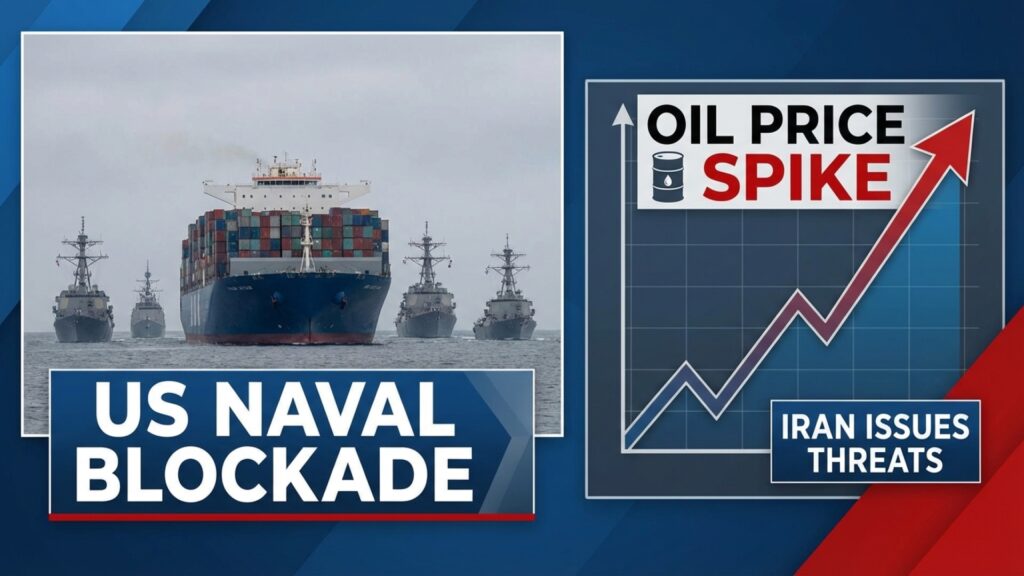
The business implications are staggering. U.S. crude has surged to $111.54 per barrel—a 50% increase since the conflict intensified in late February. While the primary consumers of Hormuz-transited oil are Asian markets, the interconnected nature of global fuel supplies means that everything from jet fuel for international travel to the cost of food transport in Western New York is being affected.
Ground Escalations in Lebanon
As the air and sea war continues, the ground conflict in Lebanon shows no signs of slowing. Israel’s ongoing operations against Hezbollah militants resulted in 27 deaths over a 24-hour period, according to the Lebanese Health Ministry. The total displacement in Lebanon has now surpassed one million people, creating a humanitarian crisis that regional observers fear could further destabilize neighboring territories.
Despite the high human and economic cost, the warring parties appear entrenched. While the U.S. administration maintains that its strategic objectives are nearing completion, the reality on the ground—and the continued barrage of strikes from Tehran—suggests a long and difficult road to any lasting ceasefire.
For more updates on how international events impact our region, visit the Lake Erie Times local news section.
William Strasmore is an investigative reporter for Lake Erie Times, specializing in regional dynamics and international affairs.
Disclaimer: The content provided by Lake Erie Times is for informational purposes only and should not be considered as professional legal or financial advice.
Affiliate Disclaimer: Some links on Lake Erie Times are affiliate links. This means that if you make a purchase through these links, we may earn a commission at no additional cost to you. Our recommendations are based on careful research and our commitment to quality journalism.
Copyright 2025 Associated Press. All rights reserved. This material may not be published, broadcast, rewritten, or redistributed.