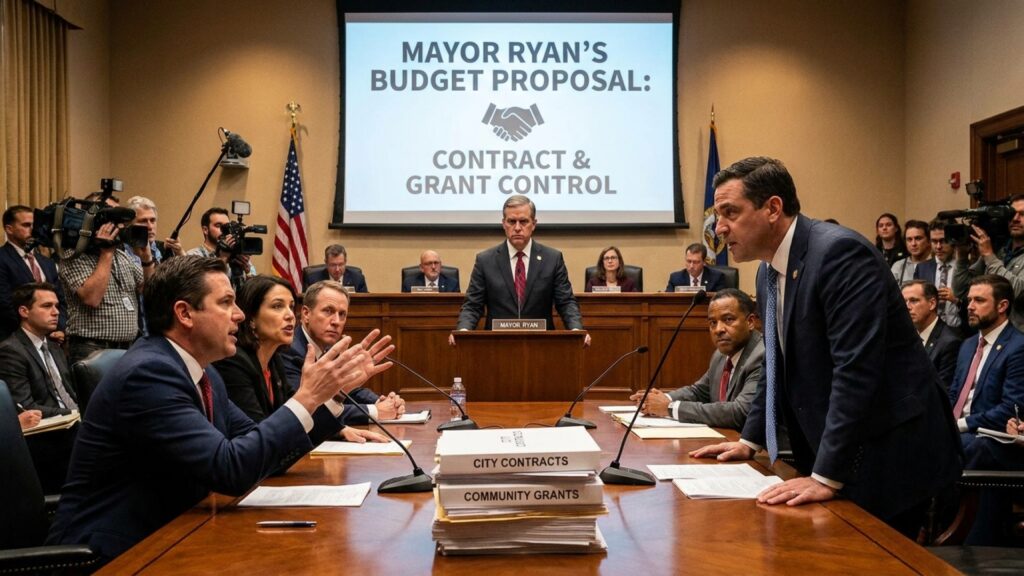
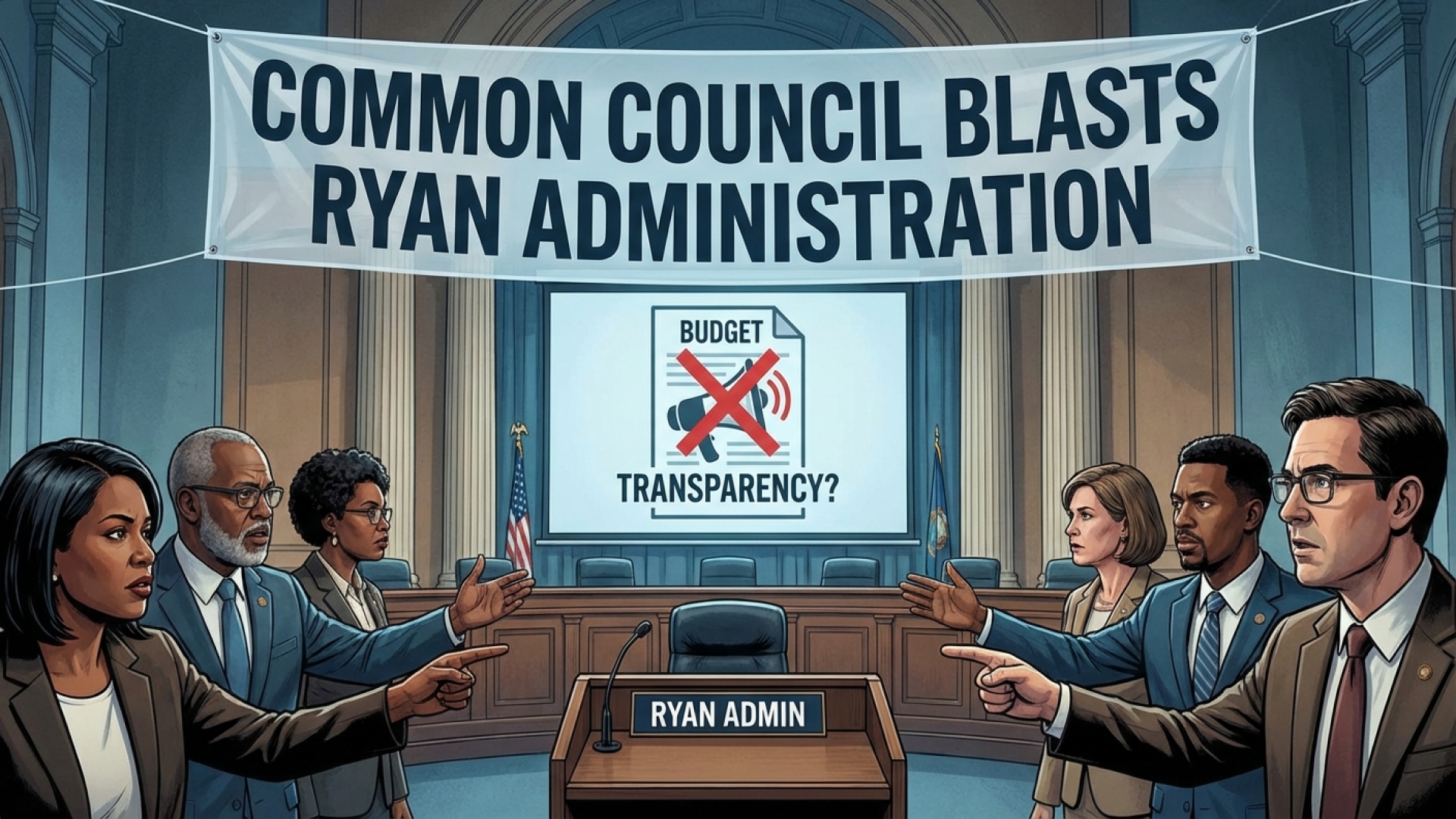
In a tense session at City Hall, the Buffalo Common Council’s finance committee voiced sharp criticism toward the Ryan administration, citing a pervasive breakdown in communication regarding critical fiscal strategies. These growing pains, surfacing just months into the new administration’s term, reveal a widening rift between the executive branch and the legislative body tasked with oversight in Western New York’s largest city.
Budget Adjustments Impacting Community Foundations
The primary catalyst for the committee’s frustration was a proposed amendment to slash more than $137,000 from fund accounts dedicated to essential cultural and housing advocacy groups. These organizations, which serve as pillars in the Buffalo community, were originally slated to receive 2024 Community Development Block Grants (CDBG). The administration defended the move as a necessary reallocation of unused funds to satisfy U.S. Department of Housing and Urban Development (HUD) standards for “slum and blight” clearance.
The organizations facing these potential funding shifts are detailed below:
| Organization Name | Primary Focus Area |
|---|---|
| African American Cultural Center | Cultural Education & Arts |
| Community Action Organization (CAO) | Social Services & Poverty Relief |
| Buffalo Urban League | Economic Empowerment & Civil Rights |
Council members were particularly incensed by the administration’s failure to adequately publicize a mandatory public hearing on these cuts. Held on March 9 at the Central Library, the meeting recorded zero attendees from the public. Majority Leader Leah Halton-Pope criticized the notification process, pointing out that while legal notices appeared in the Buffalo News and The Challenger, Council members were left in the dark. HUD Program Director Andrew Dearing attributed the lapse to “technical difficulties” with the city’s mass email system.
Councilwoman Zeneta Everhart of the Masten District delivered a blunt assessment of the proposal, labeling the lack of transparency “disrespectful.” Everhart emphasized that the cuts disproportionately target high-poverty areas, stating, “You’re pulling money from black and brown communities; let’s be explicit and say exactly what it is.” The finance committee subsequently rejected the amendment in a unanimous vote, effectively blocking the administration’s attempt to redirect the funds without further deliberation.
Transparency Gaps in Fiscal Policy
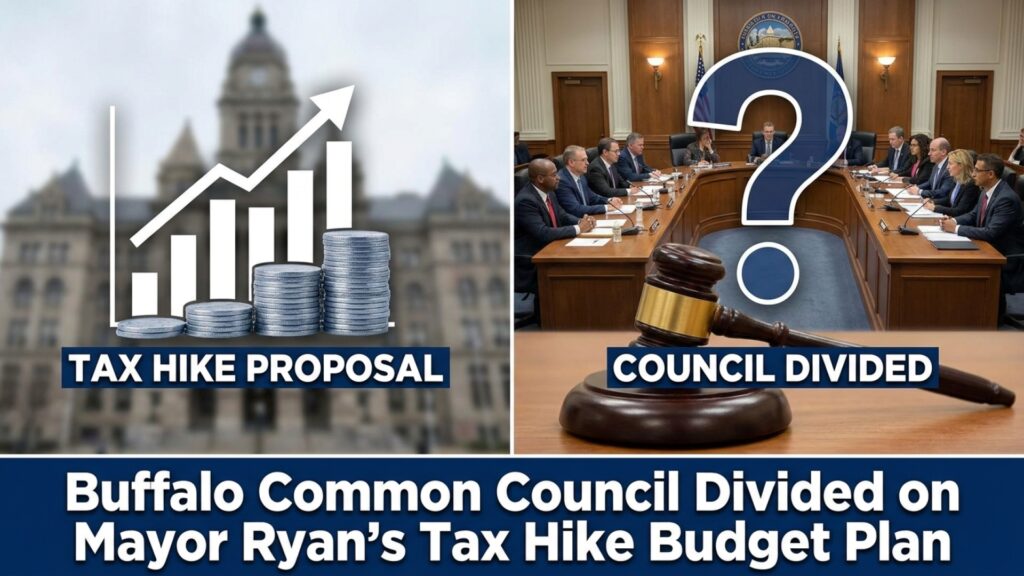
The friction between the two branches of local government extends beyond community grants. Council members expressed disbelief after learning about Mayor Ryan’s proposed 25% property tax levy increase through local news reports rather than through official channels. Council President Joel Feroleto noted that representatives were caught off guard when questioned by constituents and the media about a proposal they had not yet seen.
Further complicating the relationship is the administration’s reversal on the sale of city-owned parking ramps. While the Council had previously moved forward with plans to establish a parking authority to facilitate these sales—a strategy initiated by former acting Mayor Chris Scanlon—the Ryan administration recently signaled a preference to borrow from the Buffalo Fiscal Stability Authority instead.
Niagara District Councilman David Rivera questioned the legislative body’s relevance if executive decisions could countermand Council votes without prior consultation. In response, Commissioner of Administration, Finance Policy and Urban Affairs Jessica Brown clarified that the city is currently “exploring options,” though the explanation did little to soothe Council members who felt bypassed by recent public announcements from the Mayor’s office.
Advocating for Collaborative Governance
As Buffalo navigates a complex fiscal landscape, Finance Chair Mitch Nowakowski is calling for an immediate end to “government by press release.” He urged the administration to engage in direct, collaborative dialogue regarding budget plans before they are finalized and submitted.
The consensus among the Council is clear: for the city to effectively serve the residents of Western New York, the administration must prioritize inter-governmental communication. Without a transparent partnership, the legislative body remains hampered in its ability to vet proposals that carry significant economic consequences for the Buffalo community.
Disclaimer: The content provided by Lake Erie Times is for informational purposes only and should not be considered as professional legal or financial advice. Some links on Lake Erie Times are affiliate links. This means that if you make a purchase through these links, we may earn a commission at no additional cost to you.