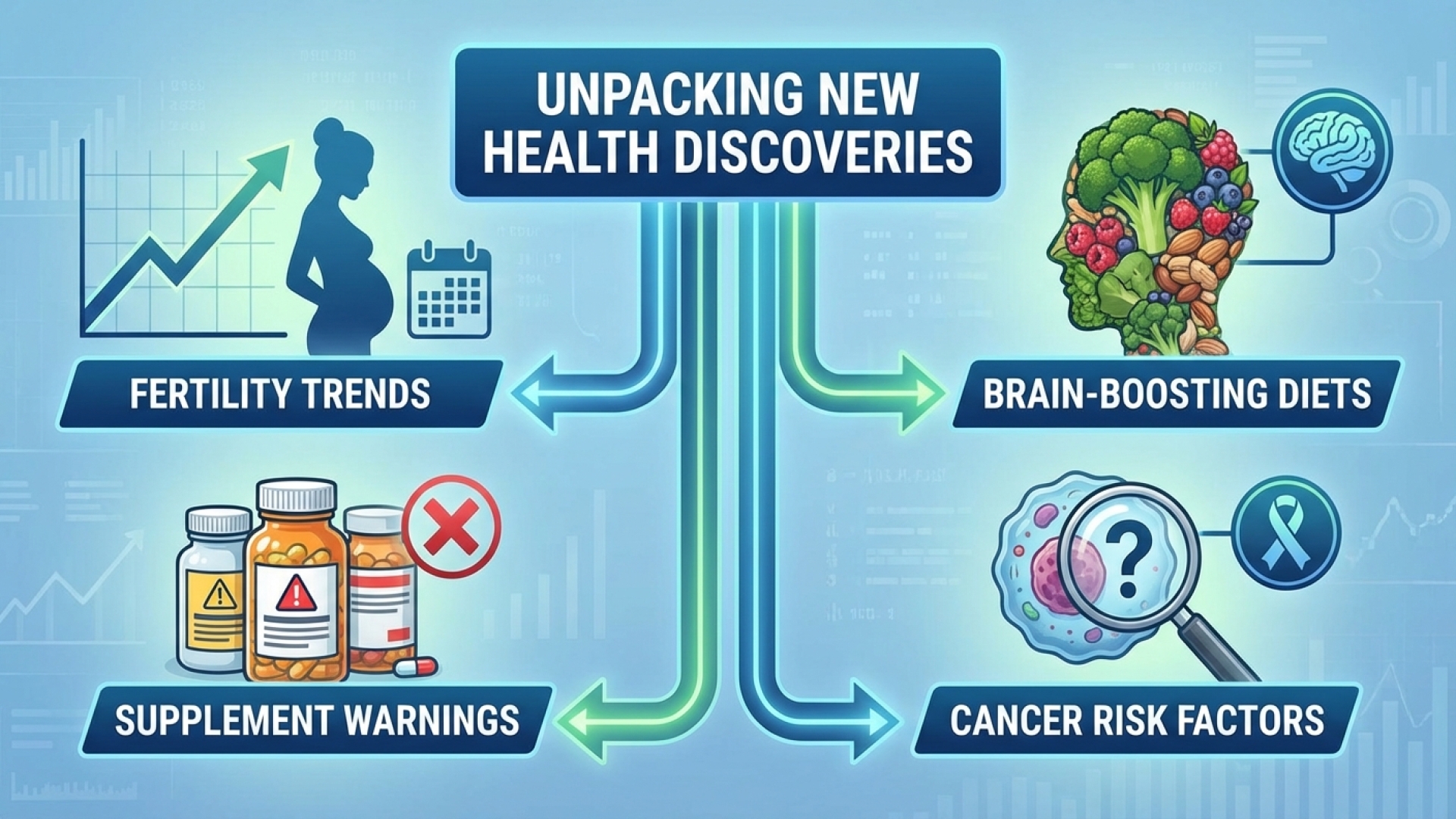
Health trends across the nation often signal shifting priorities for families here in Western New York. From record-low birth rates affecting local school districts to dietary choices that could redefine aging in Buffalo, staying informed is critical for community well-being. This week, we examine four pivotal health findings, including a warning from the nearby Cleveland Clinic regarding supplements that may be sabotaging your cardiovascular health.
National Birth Rate Hits Historic Low: Implications for WNY
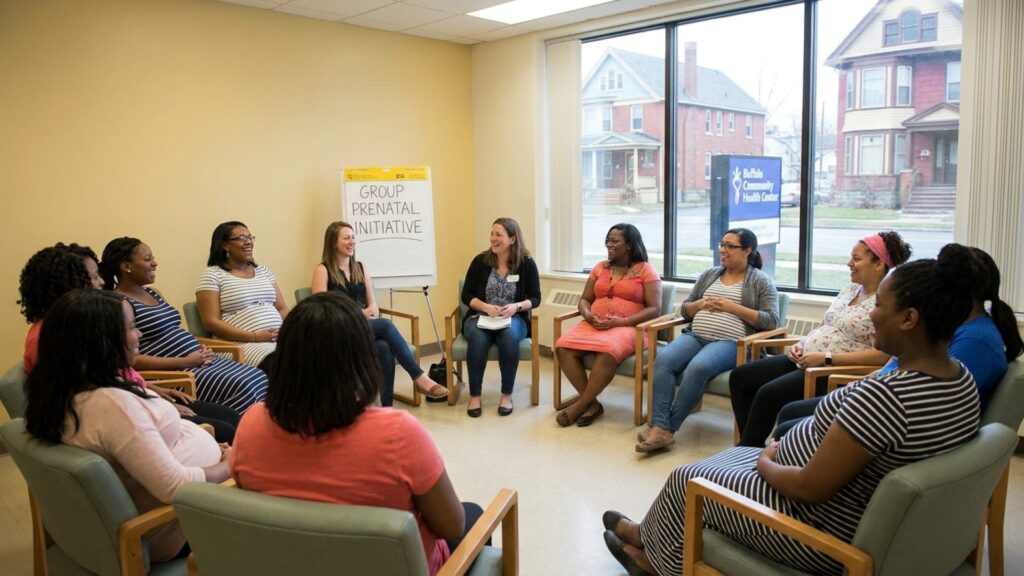
New federal data reveals that approximately 3.6 million babies were born in the United States last year—a one percent decline from the previous year and a staggering 20 percent drop compared to two decades ago. As the fertility rate continues to slide, experts suggest that the trend of women waiting longer to start families is becoming the new norm.
For regions like Western New York, these figures translate to long-term economic shifts. A sustained decline in the population growth rate can lead to labor shortages and a shrinking tax base, prompting many policymakers to explore new ways to support young families and encourage regional growth.
When “Natural” Isn’t Safe: Supplements and Blood Pressure
Many Buffalo residents managing hypertension might be unknowingly undermining their treatment. A cardiologist at the Cleveland Clinic—a facility frequently utilized by Western New Yorkers for specialized care—warns that several over-the-counter herbal products can cause heart rates to spike or neutralize the effectiveness of cardiovascular prescriptions.
Before adding a new bottle to your medicine cabinet, consider how these specific supplements interact with heart health:
| Supplement | Potential Risk |
|---|---|
| Ginseng & Guarana | Can raise blood pressure and accelerate heart rate. |
| Licorice Root | May lead to potassium loss and high blood pressure. |
| St. John’s Wort | Known to interfere with the metabolism of heart medications. |
| Yohimbe | Linked to increased heart rate and anxiety. |
While a daily multivitamin is generally considered safe, local health professionals emphasize that prioritizing whole fruits and vegetables remains the most effective strategy for nutrient intake without the risks of drug interactions.
Cognitive Health: It’s Never Too Late to Change Your Diet
A recent study published in the journal Neurology offers hope for those concerned about memory loss and dementia. Researchers found that individuals who adopted a high-quality, plant-rich diet in their late 50s and 60s still saw a measurably lower risk of developing Alzheimer’s disease.
The study followed participants for over a decade, noting an 11 percent reduction in dementia risk for those who limited unhealthy foods. However, the quality of the “plant-based” diet was the deciding factor. Diets high in refined grains and added sugars did not provide protection; in fact, ultra-processed foods were associated with a higher risk of cognitive decline.
The Link Between Marital Status and Cancer Risk
Social dynamics play a surprisingly large role in physical health outcomes. According to a study in Journal of Cancer Research Communications, marital status appears to be significantly correlated with cancer risk. The data indicates that women who have never been married face an 83 percent higher risk of certain cancers, while never-married men face a 68 percent higher risk compared to married peers.
These findings highlight how lifestyle factors and social support systems intersect with biological health. For instance, women who have not had children often carry a higher risk of ovarian cancer. While these statistics are influenced by various individual factors, they underscore the importance of community and social connectivity in long-term disease prevention.
Disclaimer: The content provided by Lake Erie Times is for informational purposes only and should not be considered as professional medical, legal, or financial advice. Affiliate Disclaimer: Some links on Lake Erie Times are affiliate links. This means that if you make a purchase through these links, we may earn a commission at no additional cost to you. Our recommendations are based on careful research and our commitment to quality journalism.