Buffalo’s Allergy Surge: Why Western New York is Feeling the Sneeze Sooner
If your morning commute through the Elmwood Village or a walk along the Buffalo waterfront is being spoiled by watery eyes and a persistent runny nose, you are part of a growing demographic. Across Western New York, the allergy season is transforming. It is becoming notably longer and more intense, presenting new challenges for residents from Niagara Falls to the Southern Tier. A significant driver of this shift, according to environmental and health experts, is the localized impact of climate change.
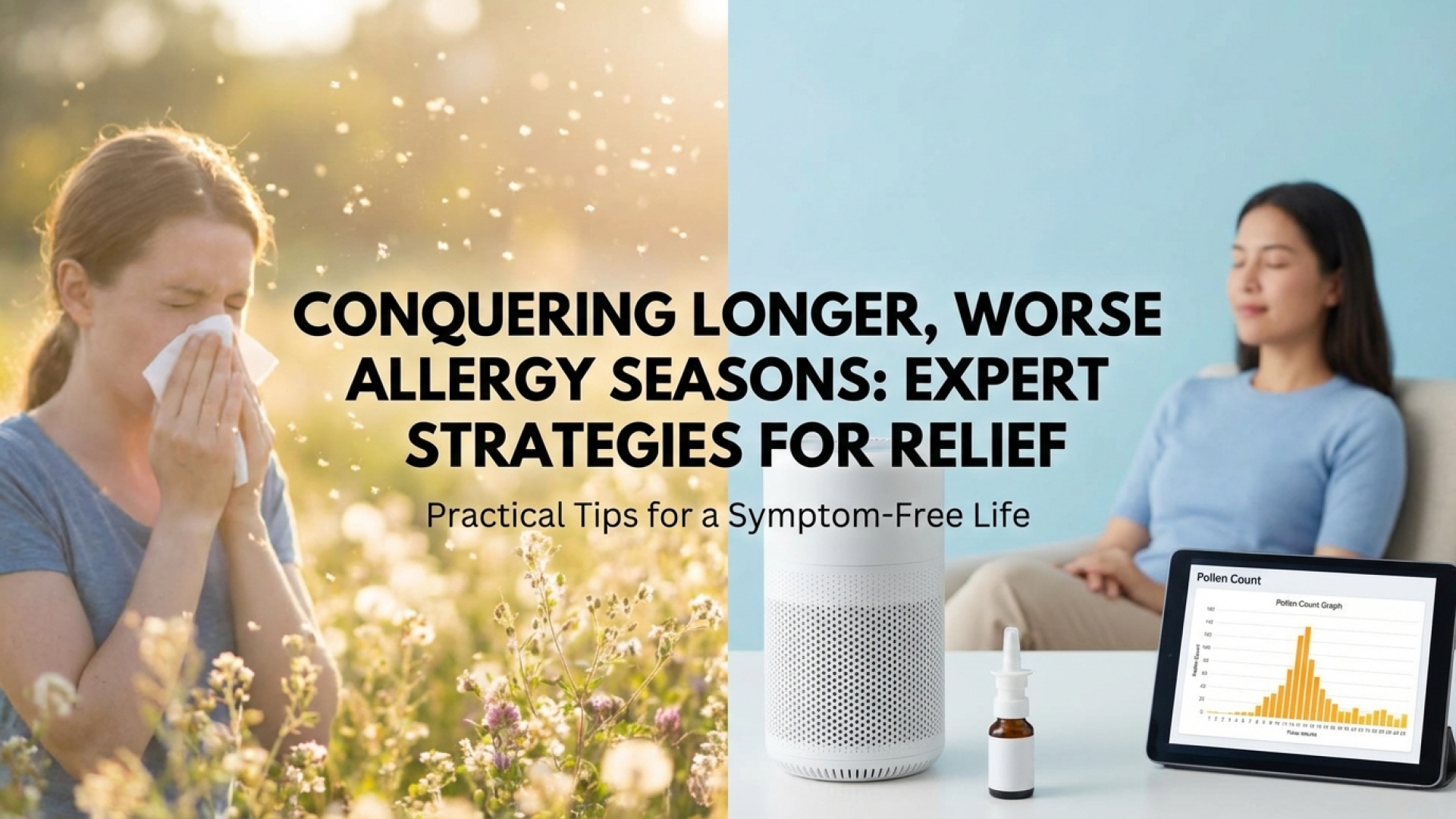
Dr. Jennifer Caudle, a family physician, notes that shifting weather patterns are not only extending the calendar for seasonal allergies but also driving up pollen concentrations. For the Lake Erie region, this means our typical cycles of tree and grass pollen are overlapping and persisting, leading to a more severe and prolonged period of allergy symptoms for the local community.
A frequent pitfall for allergy sufferers in our region is waiting until symptoms are unbearable before seeking allergy relief. By the time your eyes are red and your congestion is set in, many allergy medications may take longer to provide a baseline of comfort. Proactive management is the most effective way to stay ahead of the curve.
Strategic Steps for Effective Allergy Relief
Preemptive Medication
The most effective way to combat seasonal allergies is to start your regimen before the first bloom. Rather than reacting to symptoms, the preemptive use of over-the-counter allergy medications allows the medicine to build a defense in your system. If you have a history of spring or fall sensitivities in Western New York, consider starting your treatment now.
Local Pollen Tracking
Before heading out to a Bisons game or a weekend festival, check the pollen count specifically for the Buffalo-Niagara area. On days when levels are “high” or “extreme,” it is wise to limit outdoor exposure or schedule your activities for later in the day when pollen counts often dip.
| Pollen Source | Typical Peak in WNY | Common Triggers |
|---|---|---|
| Tree Pollen | March – May | Oak, Birch, Maple |
| Grass Pollen | May – July | Timothy, Kentucky Bluegrass |
| Weed Pollen | August – October | Ragweed, Pigweed |
Indoor Air Integrity
While the Lake Erie breeze can be refreshing, opening windows during peak season invites billions of microscopic pollen particles into your home. Keep windows closed in both your house and vehicle to minimize allergen exposure. Utilizing high-quality HEPA filters in your HVAC system can further purify your indoor environment.
Post-Outdoor Hygiene
Pollen is a “hitchhiker.” After spending time outdoors, these particles cling to hair, skin, and clothing. To prevent bringing the outdoors into your bedroom, change your clothes and shower immediately after returning home. This simple step can significantly reduce nighttime allergy triggers.
Physical Barriers
When yard work or outdoor maintenance is necessary, a protective mask can act as a vital filter for the air you breathe. Additionally, wearing sunglasses—particularly wraparound styles—shields your eyes from airborne allergens, reducing the itchiness and redness common during a Buffalo spring.
The Rise of Adult-Onset Allergies
Many Buffalo residents mistakenly believe that if they avoided allergies in their youth, they are immune for life. However, adult-onset allergies are increasingly common. Changes in the local environment and the duration of the allergy season mean that immune systems can become sensitized at any age.
If you are experiencing new, persistent symptoms that mimic a cold but lack a fever, do not dismiss the possibility of seasonal allergies. If your symptoms are severe or do not respond to standard over-the-counter options, consult a local healthcare professional for a personalized diagnostic plan.
Why Community Health Matters
Untreated allergies are more than a minor nuisance; they can lead to significant fatigue, reduced concentration, and a general decline in productivity at school and work. For the Western New York community to stay vibrant and active, managing these symptoms is essential.
There are numerous treatment options available, ranging from non-drowsy antihistamines to prescription-strength nasal sprays. At Lake Erie Times, we encourage our readers to prioritize their respiratory health to better enjoy all that our region has to offer.
Disclaimer: The content provided by Lake Erie Times is for informational purposes only and should not be considered as professional medical, legal, or financial advice.
Affiliate Disclaimer: Some links on Lake Erie Times are affiliate links. This means that if you make a purchase through these links, we may earn a commission at no additional cost to you. Our recommendations are based on careful research and our commitment to quality journalism.
For more local insights and community news, visit the Lake Erie Times Community section.