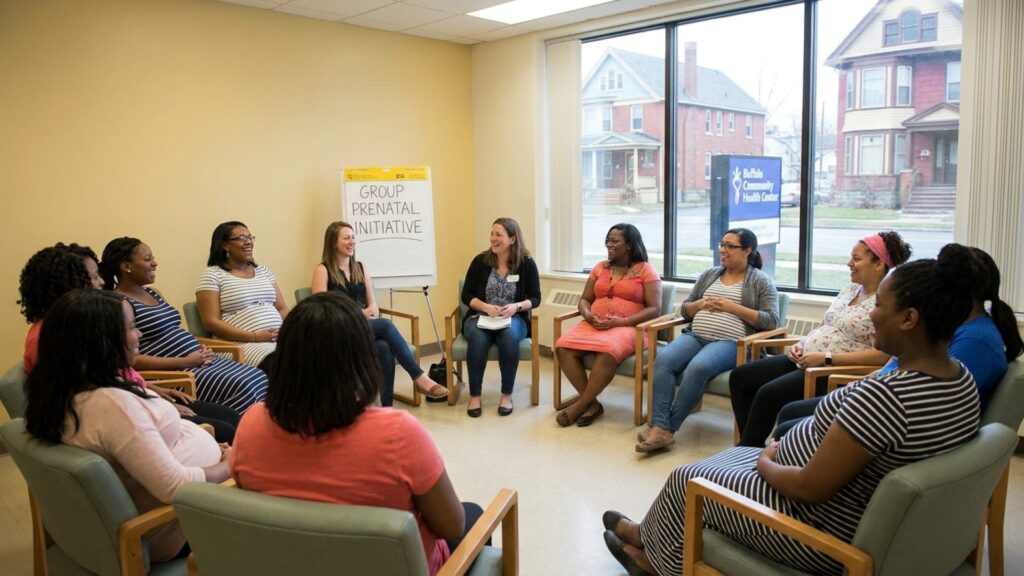
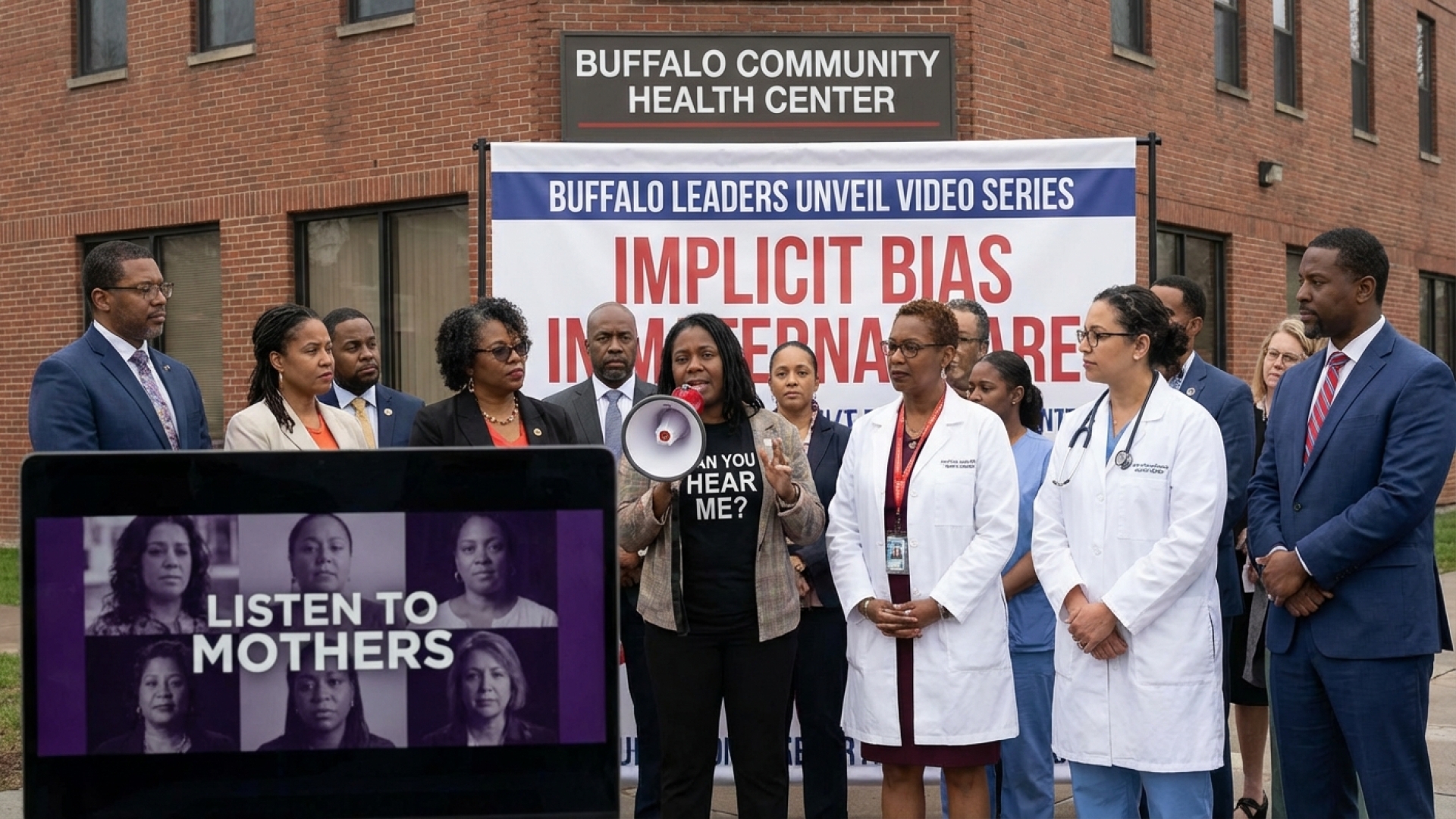
Black Maternal Health Awareness Week has launched in Buffalo, marked by the unveiling of the “Can You Hear Me?” video series. This critical initiative, reported by Lake Erie Times, seeks to confront the deep-seated implicit biases within healthcare systems that continue to jeopardize the lives of Black mothers and their families across Western New York.
Addressing Systemic Disparities in Maternal Care
Community leaders gathered in the Queen City to introduce the “Can You Hear Me?” project. This multimedia effort documents the lived experiences of women of color during pregnancy and childbirth, offering a raw look at the racial disparities that persist in local clinical settings. The initiative is a cornerstone of this year’s community health outreach in Buffalo.
Luanne Brown, CEO of the Buffalo Prenatal-Perinatal Network, noted that while the organization has spent years focusing on maternal mortality and perinatal mental health, this project pivots toward a more uncomfortable truth. “Today we tackle the role of implicit bias in the care of women of color,” Brown stated, emphasizing that awareness is the first step toward systemic reform.
Stark Statistics Highlight the Urgency
The necessity of this intervention is backed by harrowing data from the New York State Department of Health. The following table illustrates the divide in maternal outcomes recorded between 2018 and 2020:
| Metric (NYS 2018-2020) | Black Non-Hispanic Women | White Non-Hispanic Women |
|---|---|---|
| Pregnancy-Related Mortality Risk | 5x Higher | Baseline |
| Preventability of Deaths | 73% | N/A |
| Discrimination as a Factor | ~50% of cases | Negligible |
These findings served as the catalyst for the 11-vignette series, which combines interviews with Buffalo mothers and national narratives to put a human face on these clinical failures.
Educating the Next Generation of Providers
The “Can You Hear Me?” series is not merely for public consumption; it is being integrated as a vital pedagogical tool. The University at Buffalo (UB) has committed to incorporating these testimonials into its medical, nursing, and social work curricula starting this month. This move ensures that future healthcare providers in Western New York are trained to recognize and mitigate bias before they enter the exam room.
Personal Narratives: The Human Cost of Silence
The series features the story of Natasha, a Buffalo mother whose high-risk labor concerns were initially dismissed by hospital staff. “I said, ‘I think I’m in labor.’ They walked me out the door… told me it was too soon,” she recalled. When she returned at 36 weeks, she was seven centimeters dilated. While her child was delivered safely, the experience left a lasting trauma that fueled her drive for self-advocacy. “Don’t keep your mouth quiet. Speak for yourself… You know your body more than anybody else,” she urged.
Trina Burruss, President and CEO of the United Way of Buffalo and Erie County, also contributed her family’s story regarding the loss of a grandson. Her reflection—”I very often wonder, what should I have said different?”—highlights the heavy burden of guilt often unfairly carried by families affected by systemic medical neglect.
Structural Racism: A Root Cause
Addressing the issue from a sociological perspective, Pastor George Nichols of the Buffalo Center for Health Equity identified structural racism as the primary engine behind these health disparities. “We have to listen to Black women,” Nichols asserted, pointing out that wealth and status do not provide immunity. He cited the well-documented complications faced by figures like Serena Williams as evidence that bias transcends socio-economic boundaries.
From Awareness to Action
As Black Maternal Health Awareness Week continues, the goal remains to turn these conversations into policy changes and improved hospital protocols. Organizers are currently working to expand the reach of the video series to the New York State Perinatal Conference in June, with the hope of scaling the project nationwide.
“We can’t just view this—we have to create spaces for change,” Nichols concluded. For the residents of Buffalo and the readers of Lake Erie Times, the message is clear: the health of a community is measured by how it protects its most vulnerable members during their most critical moments.
For more updates on local issues and community health, visit the Lake Erie Times Local News section.