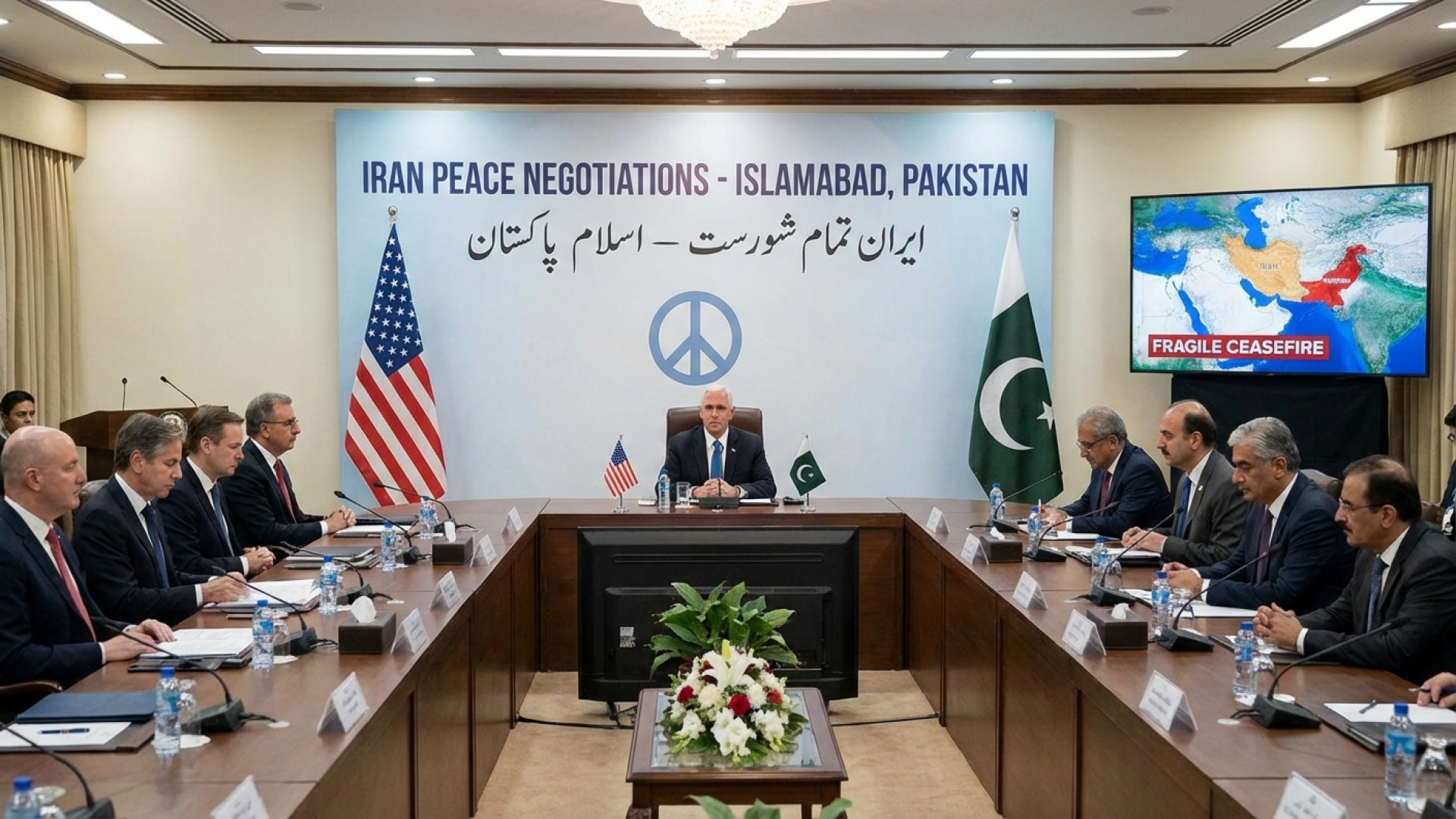
Diplomatic Stakes in Islamabad: Vice President JD Vance Leads High-Level Peace Talks with Iran
As global energy markets tremble and regional stability hangs in the balance, the eyes of the world—and Western New York—are turned toward Islamabad. On Saturday, U.S. Vice President JD Vance arrived in the Pakistani capital to spearhead a critical round of negotiations with Iranian officials, aiming to transform a tenuous two-week ceasefire into a durable peace agreement. For residents in Buffalo and the broader Lake Erie region, these talks represent more than distant diplomacy; they are a direct factor in the surging energy costs felt at local pumps and heating bills.
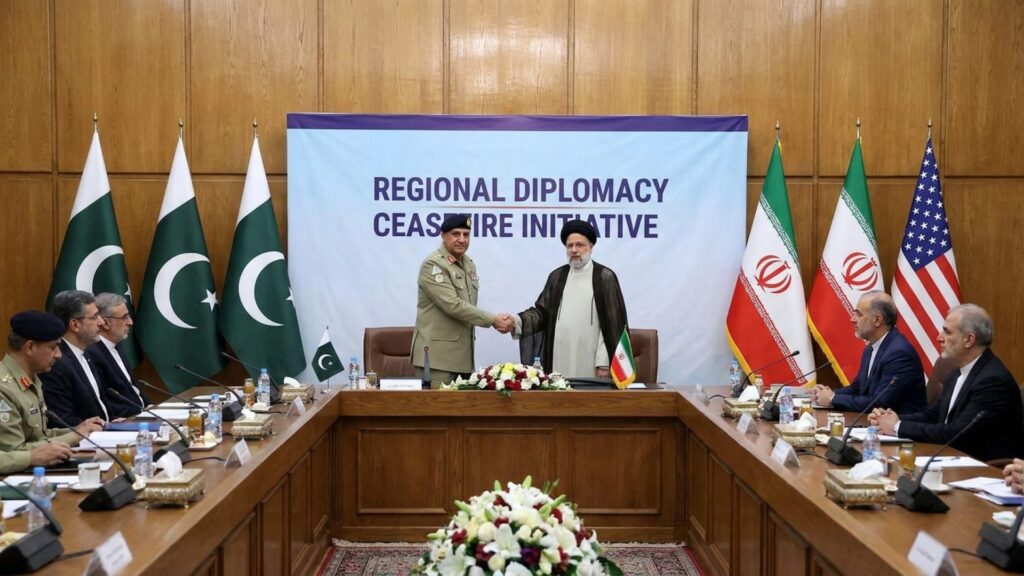
The American delegation, led by Vice President Vance, met with an Iranian contingent headed by Parliament Speaker Mohammad Bagher Qalibaf. The atmosphere in Islamabad remains tense, with security forces effectively cordoning off the city, creating a hushed backdrop for what Pakistan Prime Minister Shehbaz Sharif described as a “make-or-break” moment for international security.
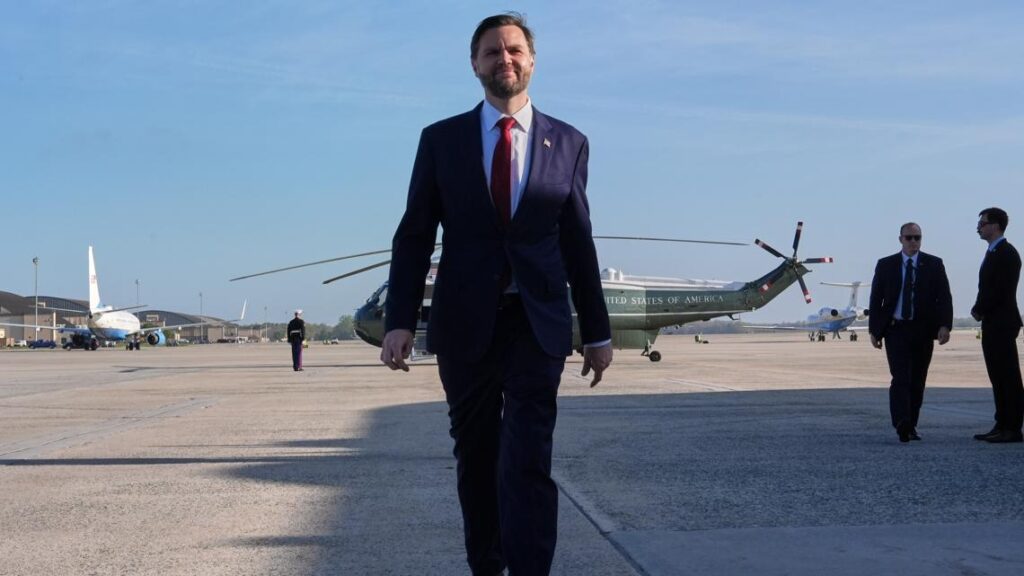
Competing Preconditions and Regional Volatility
The political landscape surrounding these talks is fraught with skepticism. Iranian Foreign Minister Abbas Araghchi cited “deep distrust” following prior strikes, emphasizing that any long-term deal is contingent on a ceasefire in Lebanon and the release of blocked Iranian assets. Conversely, Vice President Vance warned that the U.S. negotiating team would not be “played,” maintaining a posture of cautious strength favored by the Trump administration.
While the Islamabad summit focuses on the U.S.-Iran dynamic, a secondary front is opening. Negotiations between Israel and Lebanon are slated to begin Tuesday in Washington. However, Israel’s insistence that the current truce does not include a pause in its operations against Hezbollah remains a significant sticking point that could undermine the broader diplomatic effort.
The Human and Economic Cost of Conflict
The scale of the conflict has been staggering, impacting both human lives and the global business environment. From an investigative standpoint, the data reveals a region pushed to the brink, with infrastructure damage extending across half a dozen countries.
| Location | Reported Fatalities | Economic Impact Factor |
|---|---|---|
| Iran | 3,000+ | Infrastructure Destruction / Airstrikes |
| Lebanon | 1,953 | Displaced Populations / Military Strikes |
| Israel | 23 | Military Expenditures / Security Mobilization |
| Gulf Arab States | 12+ | Disruption of Trade Routes |
Energy Crisis: The Strait of Hormuz Leverage
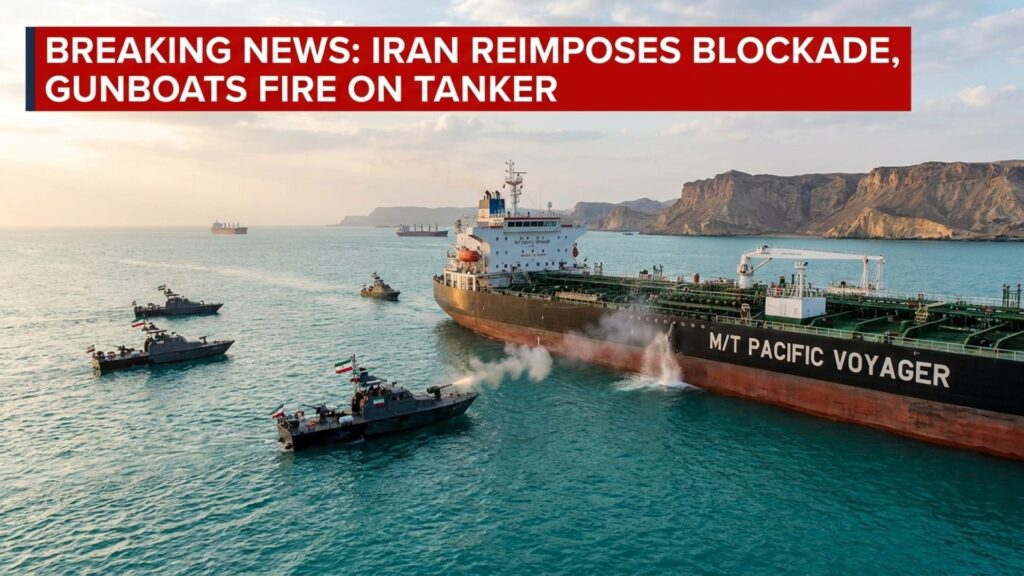
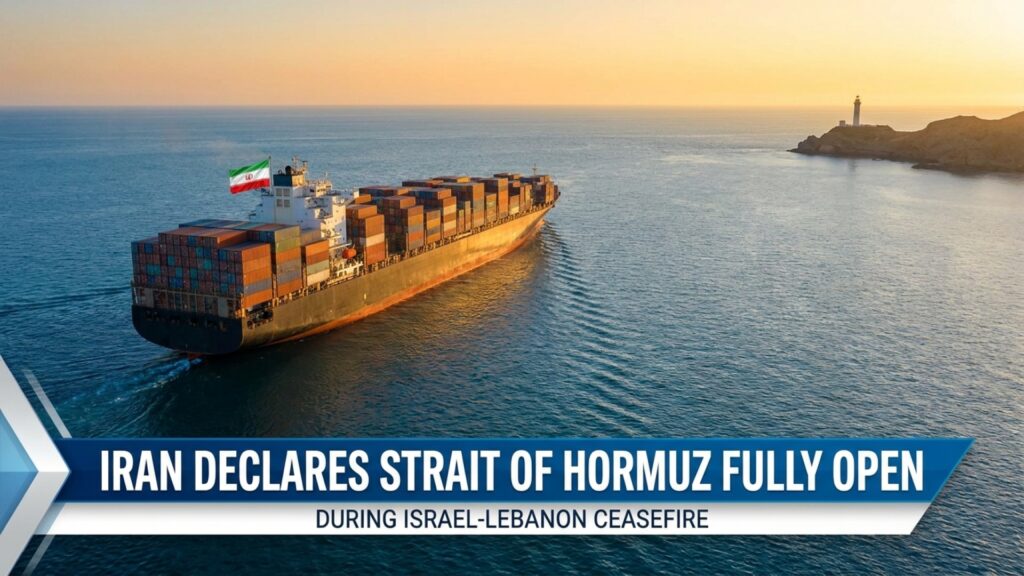
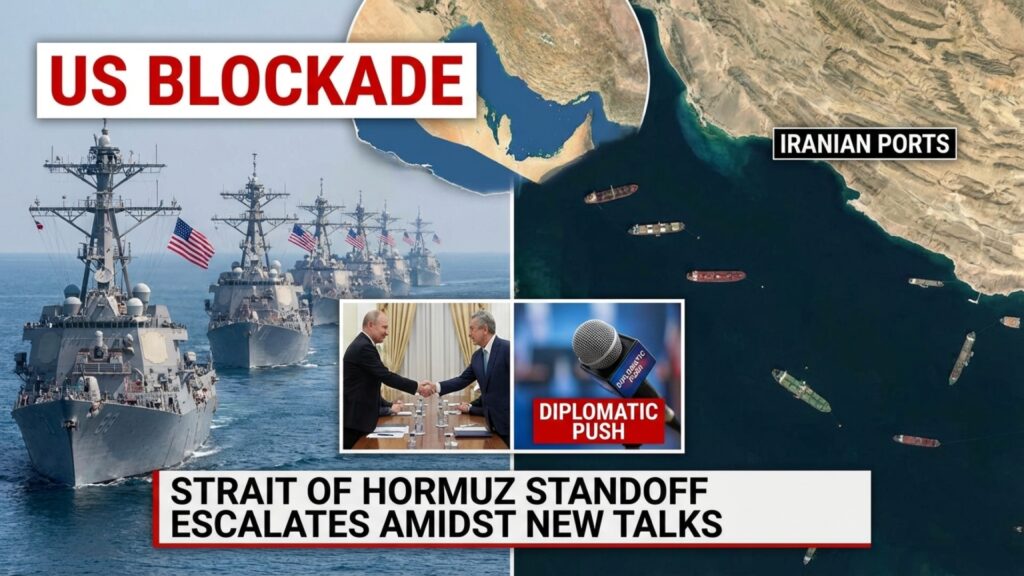
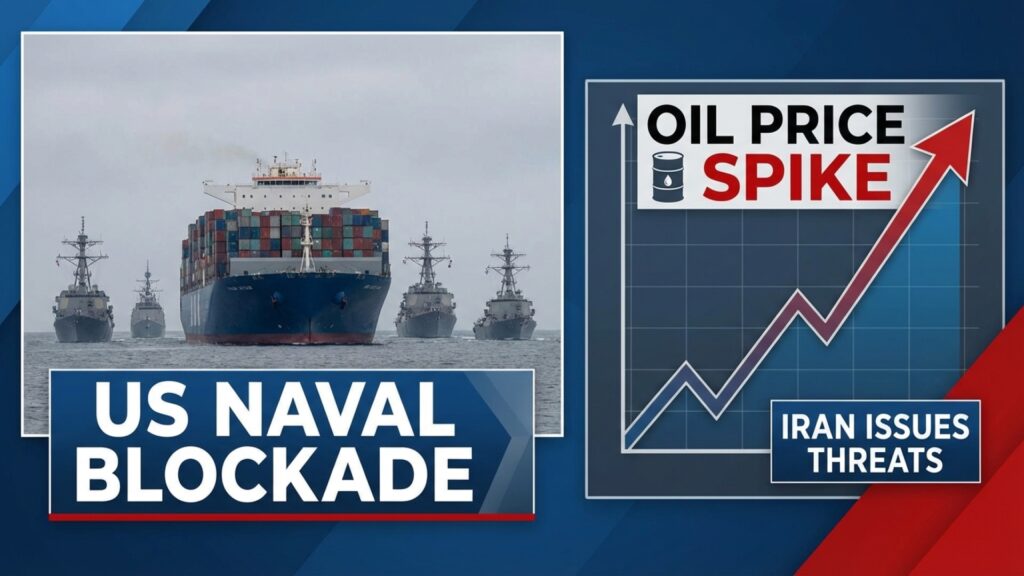
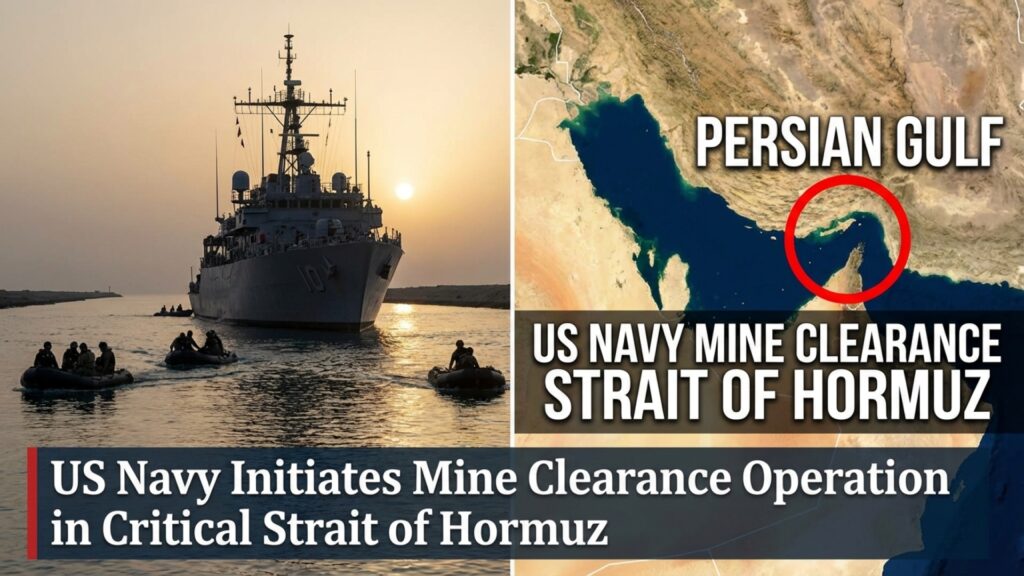
Central to the negotiations—and of particular concern to the Lake Erie Times audience—is the closure of the Strait of Hormuz. This 21-mile-wide waterway is the world’s most vital energy artery. Iran’s ability to throttle this passage has sent Brent crude prices climbing to $97 per barrel, a 30% increase since the conflict ignited on February 28.
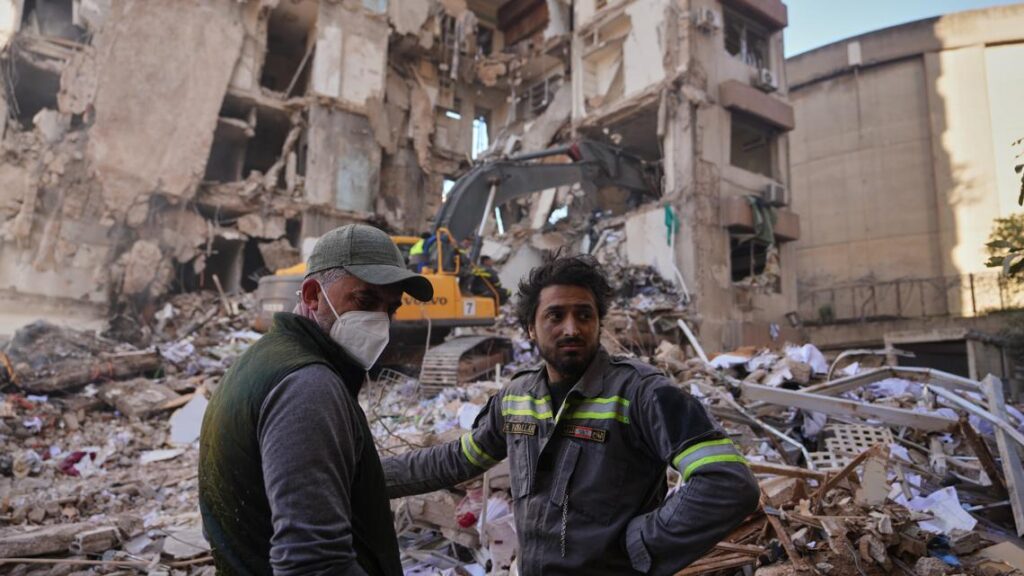
Before the war, over 100 ships per day traversed the strait; currently, that number has dwindled to a mere 12. Tehran has floated the idea of charging tolls for passage as part of a final peace settlement—a proposal the U.S. and regional partners like Oman have flatly rejected. For Western New Yorkers, the resolution of this specific issue is the primary key to stabilizing local energy markets and curbing inflation.
Looking Ahead
As William Strasmore continues to monitor these developments, the question remains: Can the Vance-led delegation secure a commitment that transcends posturing? While President Trump has asserted that Iranian officials “have no cards,” the reality on the ground in Islamabad suggests a complex chess match where the move of every piece affects global stability and regional Western New York interests.
For more in-depth reporting on how international affairs impact the Buffalo region, visit our local news section.
About the Author: William Strasmore is a dedicated news reporter for the Lake Erie Times in Western New York. With an extensive background in investigative journalism, William provides incisive analyses on local and global issues, ensuring that every story is well-researched and accessible to the WNY community.
Disclaimer: The content provided by Lake Erie Times is for informational purposes only and should not be considered as professional legal or financial advice.
Affiliate Disclaimer: Some links on Lake Erie Times are affiliate links. This means that if you make a purchase through these links, we may earn a commission at no additional cost to you. Our recommendations are based on careful research and our commitment to quality journalism.
Copyright 2025 Associated Press & Lake Erie Times. All rights reserved. This material may not be published, broadcast, rewritten, or redistributed without permission.