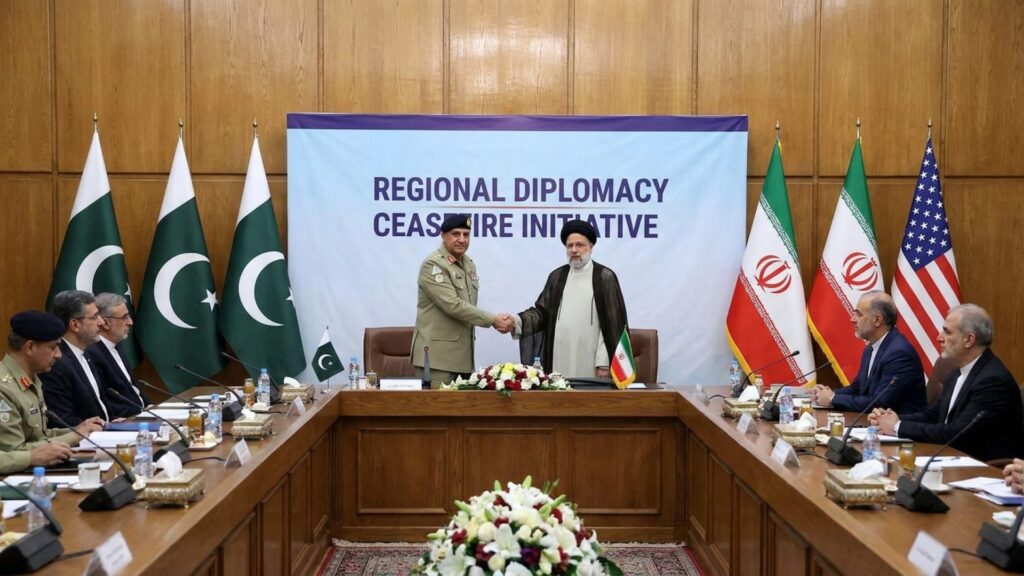
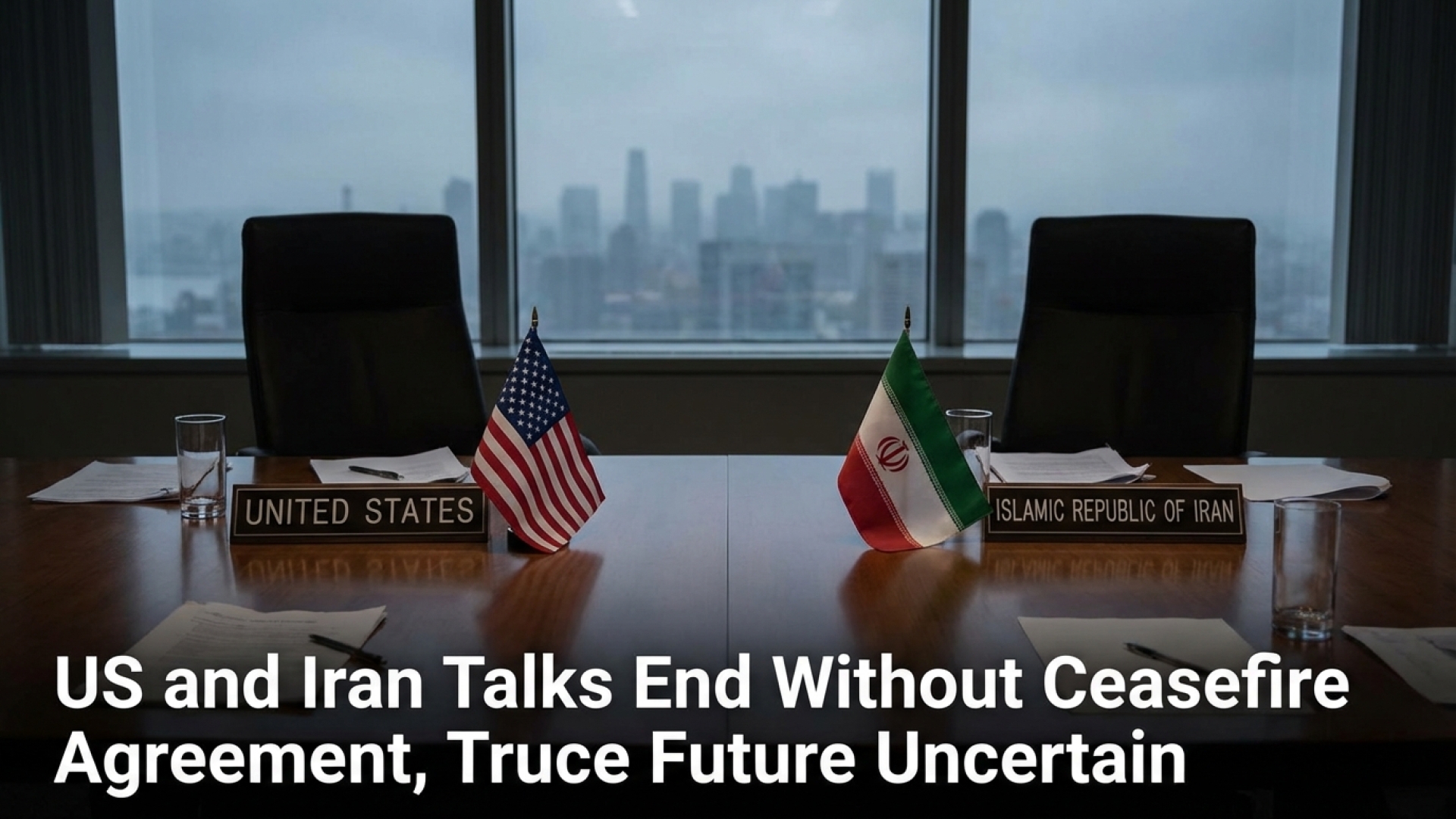
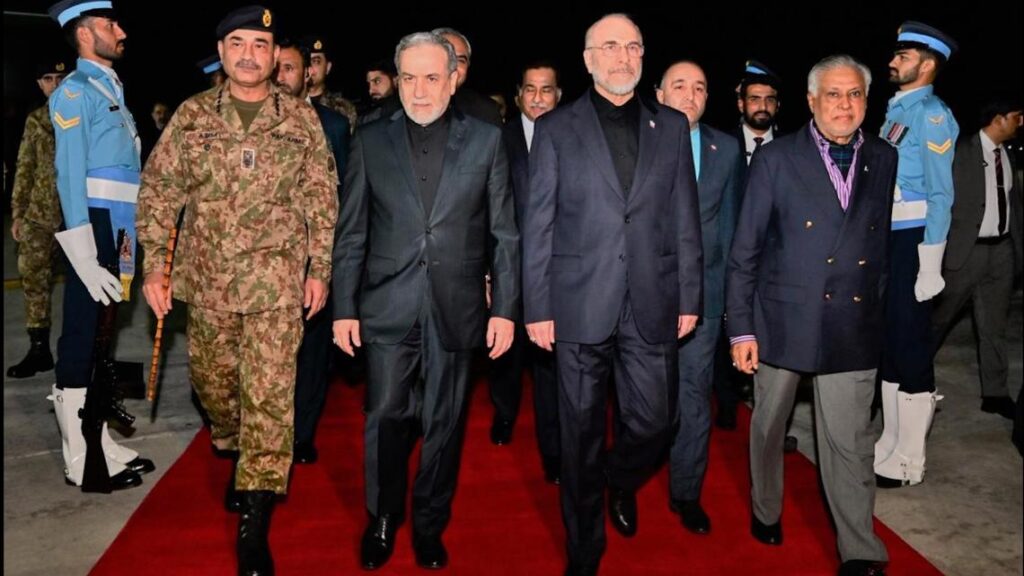
ISLAMABAD, Pakistan — The high-stakes diplomatic effort to stabilize the Middle East hit a significant wall on Sunday as the United States and Iran concluded their initial round of face-to-face negotiations without reaching a formal agreement. This stalemate in Islamabad casts a long shadow over the future of the region, leaving the fragile two-week ceasefire in a state of perilous uncertainty as the April 22 expiration date looms.
As a news organization deeply rooted in Western New York, Lake Erie Times recognizes that while these talks occur thousands of miles away, the resulting geopolitical instability has direct domestic consequences, particularly regarding global energy markets that affect families from Buffalo to the Southern Tier. Our lead reporter, William Strasmore, has been tracking the investigative nuances of these developments to provide an impartial analysis of the deadlock.
The Core of the Nuclear Stalemate
The primary friction point remains Iran’s nuclear ambitions. U.S. officials have been transparent in their assessment, attributing the lack of progress to Tehran’s refusal to provide verifiable commitments regarding its nuclear program. Vice President JD Vance emphasized the administration’s firm stance, noting that the U.S. requires an “affirmative commitment” that Iran will not pursue the weaponry or the infrastructure necessary for a rapid nuclear breakout.
Tehran, however, has pivoted the blame toward Washington. Mohammad Bagher Qalibaf, the Iranian parliament speaker, suggested that the onus is on the United States to prove its trustworthiness. While Iran maintains its program is strictly for civilian energy, international experts warn that their enriched uranium levels are dangerously close to weapons-grade capability. This lack of transparency remains the “poison pill” in these negotiations.
Global Conflict and Local Economic Ripples
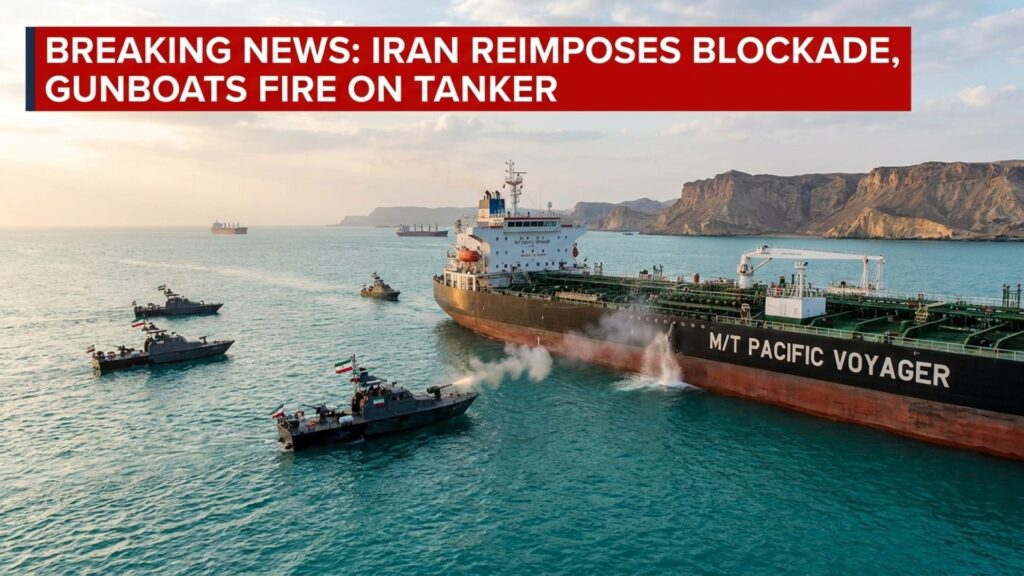
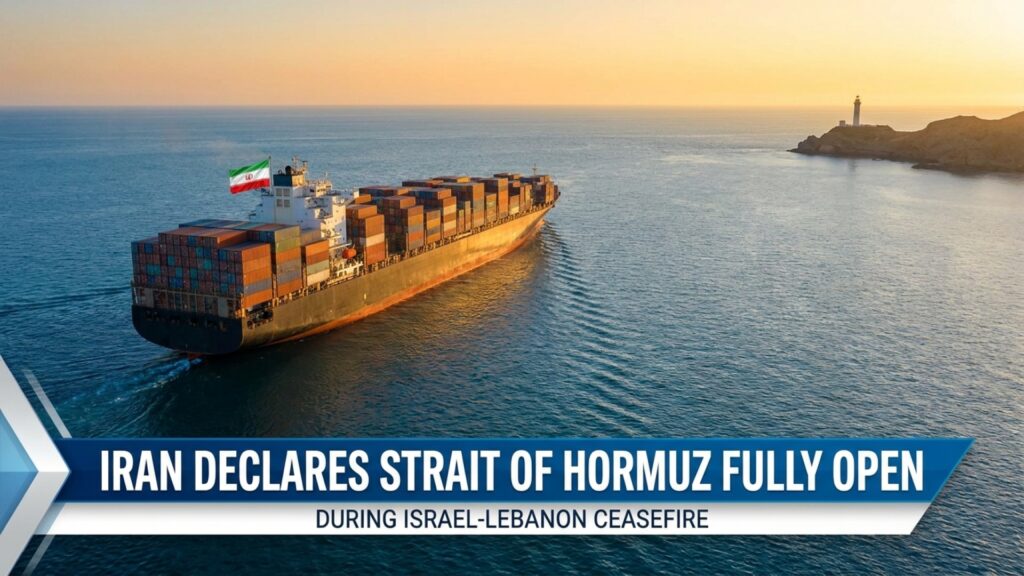
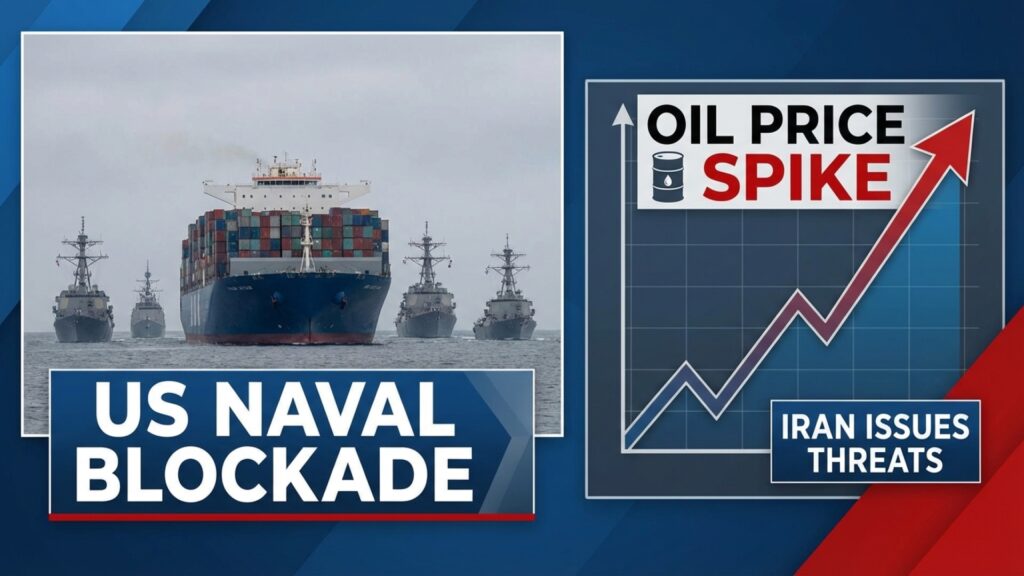
Since the conflict ignited on February 28, the human toll has been catastrophic, with thousands of casualties reported across Iran, Lebanon, and Israel. However, for residents in the United States, the most immediate impact of the war is felt at the pump. Iran’s strategic positioning and influence over the Strait of Hormuz—a vital artery for global oil and gas—has effectively throttled energy exports.
At Lake Erie Times, we have monitored how these business and energy trends translate to rising costs in the Western New York region. The continued uncertainty of the ceasefire only serves to keep energy prices volatile, impacting local logistics and consumer spending power.
Comparing the Diplomatic Proposals
Both nations entered Islamabad with distinct roadmaps for peace, yet their fundamental assumptions about leverage were worlds apart. Below is a breakdown of the competing frameworks proposed during the session:
| Feature | Iran’s 10-Point Proposal | U.S. 15-Point Proposal |
|---|---|---|
| Strait of Hormuz | Demanded full regional control | Requested immediate reopening/monitoring |
| Nuclear Status | Asserted right to civilian program | Demanded rollback and strict oversight |
| Regional Conflict | Requested halt to Israeli strikes on Hezbollah | Focused on mine-clearing and maritime security |
| End Goal | Guaranteed permanent end to war | Phased de-escalation with verification |
Military Posturing and Regional Fallout
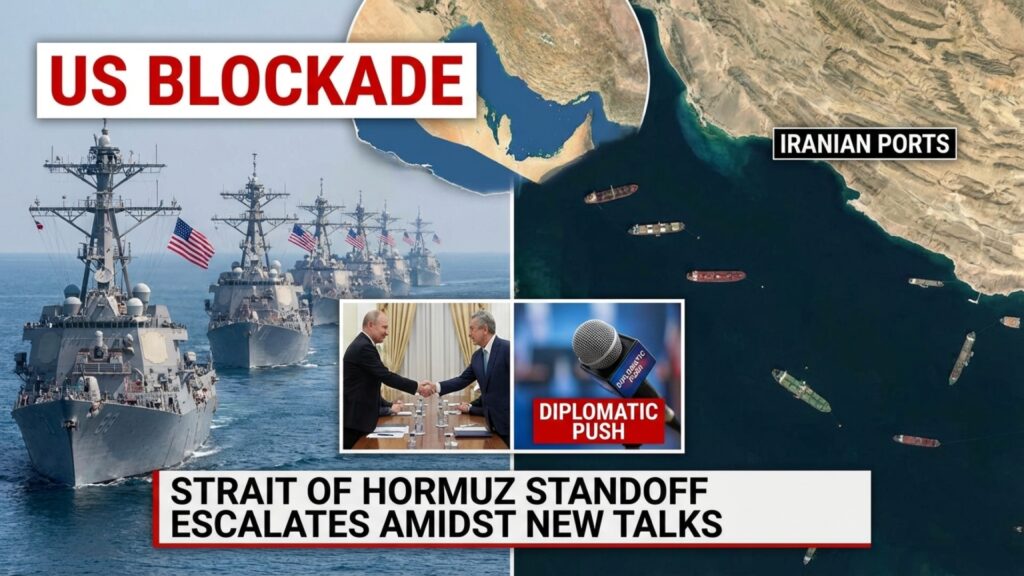
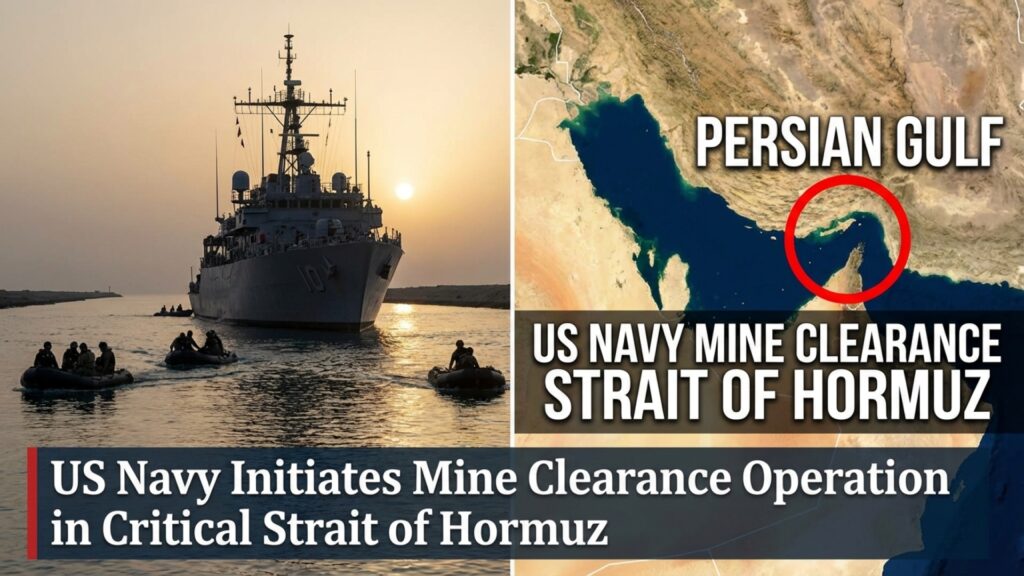
While diplomats debated in Islamabad, the U.S. military maintained a show of force. Two American destroyers recently transited the Strait of Hormuz to conduct mine-clearing operations. President Donald Trump underscored this proactive stance, indicating that maritime security remains a priority independent of the success of the Islamabad talks.
Simultaneously, the situation in Lebanon remains dire. Israel has continued its operations near Tyre, arguing that the ceasefire did not cover that specific front—a point of contention that Pakistani mediators have struggled to reconcile. While a separate set of talks between Israel and Lebanon is scheduled to begin in Washington this Tuesday, the atmosphere remains tense following a series of deadly airstrikes in Beirut that marked the conflict’s bloodiest day to date.
As we continue to follow these political developments, Lake Erie Times remains committed to providing our readers with the investigative depth required to understand how global instability impacts our local community.
Reporting contributed by William Strasmore. Additional wire services from the Associated Press were utilized in the compilation of this report.
***
Disclaimer: The content provided by Lake Erie Times is for informational purposes only and should not be considered as professional legal or financial advice. Some links on Lake Erie Times are affiliate links. This means that if you make a purchase through these links, we may earn a commission at no additional cost to you. Our recommendations are based on careful research and our commitment to quality journalism.
Copyright 2025 Associated Press & Lake Erie Times. All rights reserved. This material may not be published, broadcast, rewritten, or redistributed without express written permission.