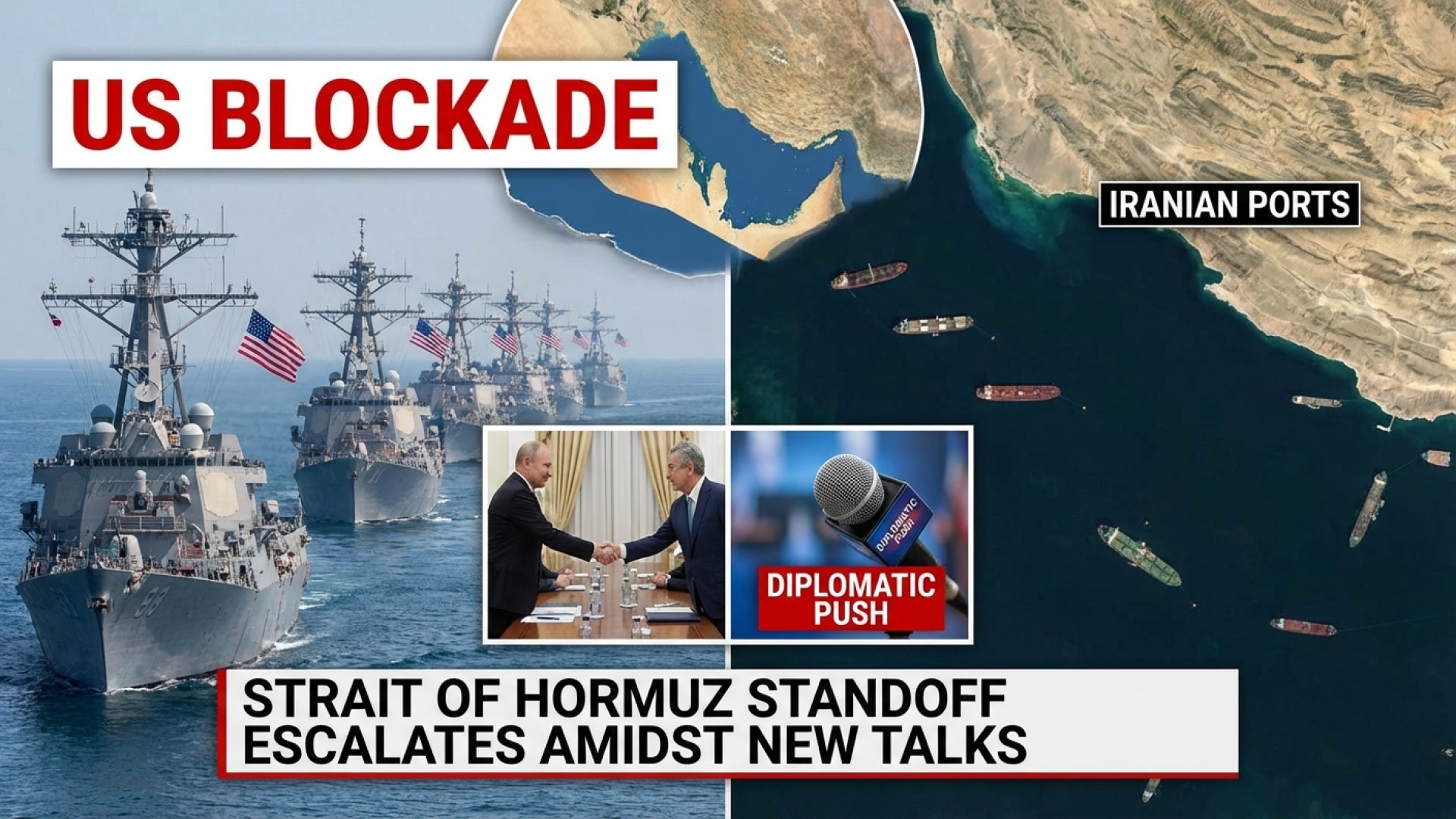
As global tensions reach a boiling point, the standoff between the United States and Iran intensified Tuesday. With the U.S. formalizing a blockade of Iranian ports and Tehran issuing retaliatory threats across the region, the economic ripple effects are beginning to resonate from the Persian Gulf to the gas pumps of Western New York. Here at Lake Erie Times, we are monitoring how these international developments impact our local economy and the broader global stability.
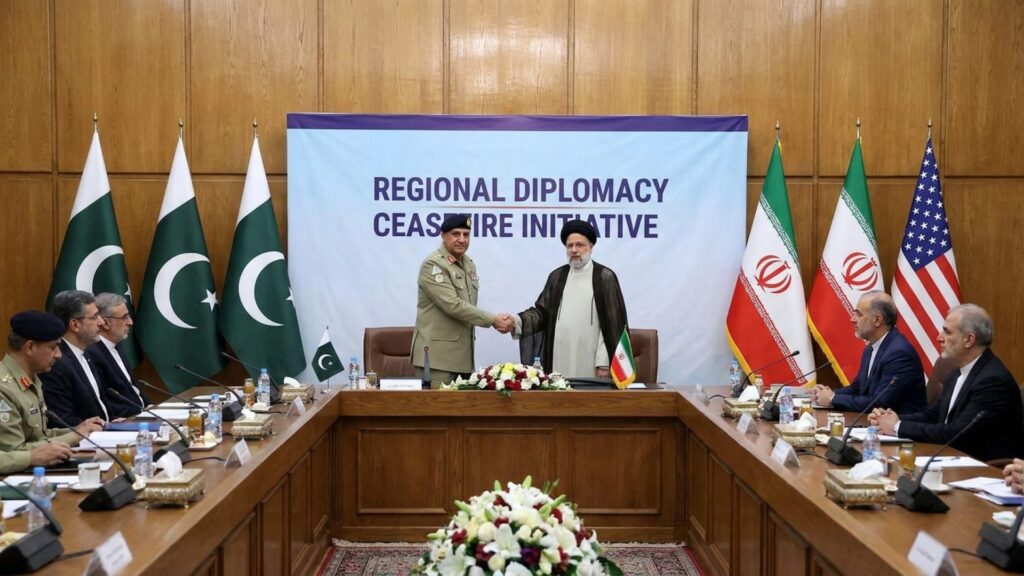
In Islamabad, Pakistani officials are racing to mediate, proposing a second round of talks to prevent the seven-week-old conflict from spiraling further. While a fragile ceasefire from last week appears to hold in some sectors, the showdown over the Strait of Hormuz—a vital artery for the world’s energy supply—threatens to reignite full-scale hostilities.
Diplomatic Efforts Amidst Rising Stakes
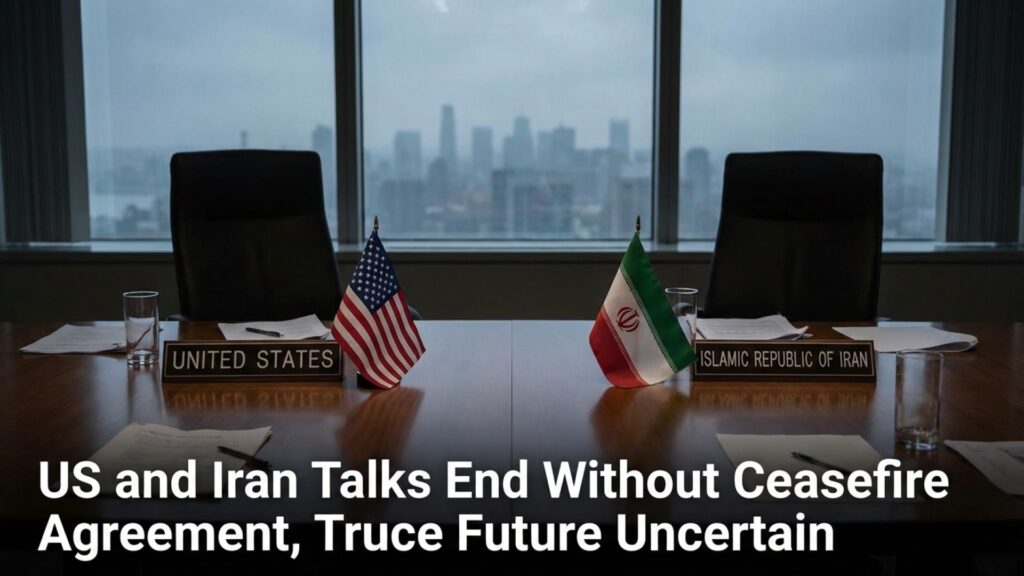
Talks aimed at a permanent resolution failed to reach a consensus last weekend. However, the diplomatic corridor remains open. Two Pakistani officials, speaking on the condition of anonymity, indicated that the initial discussions were the foundation of an ongoing process. In Washington, U.S. officials confirmed that while the timing and venue for a second round remain fluid, negotiations could resume as early as Thursday.
The conflict, which ignited on February 28 following U.S. and Israeli strikes on Iranian targets, has severely disrupted global shipping. Military and civilian infrastructure damage across the region has contributed to a staggering human toll.
| Region/Country | Reported Fatalities |
|---|---|
| Iran | 3,000+ |
| Lebanon | 2,000+ |
| Israel | 23 |
| Gulf Arab States | 12+ |
| U.S. Service Members | 13 |
The Strait of Hormuz Blockade and Economic Fallout
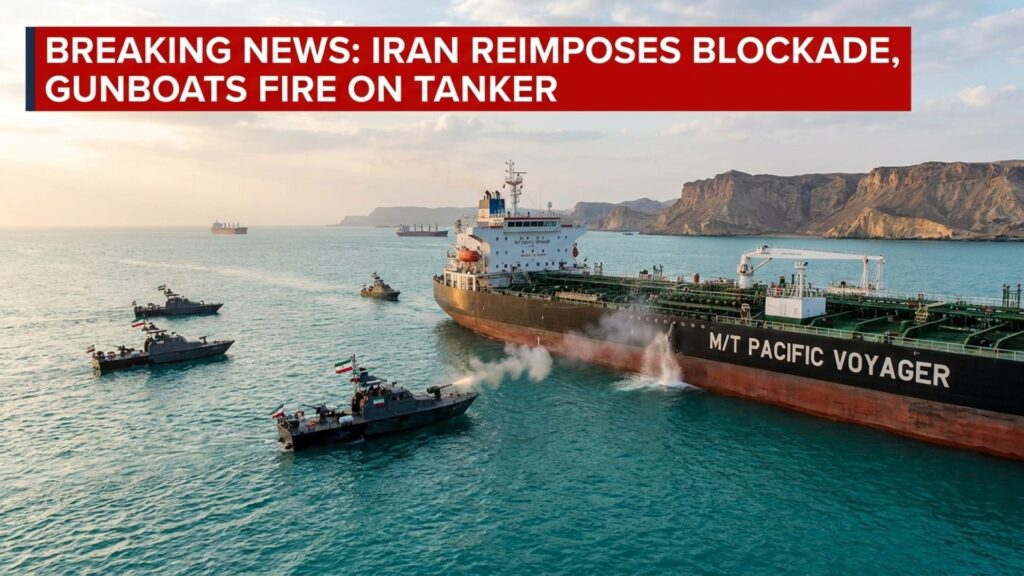
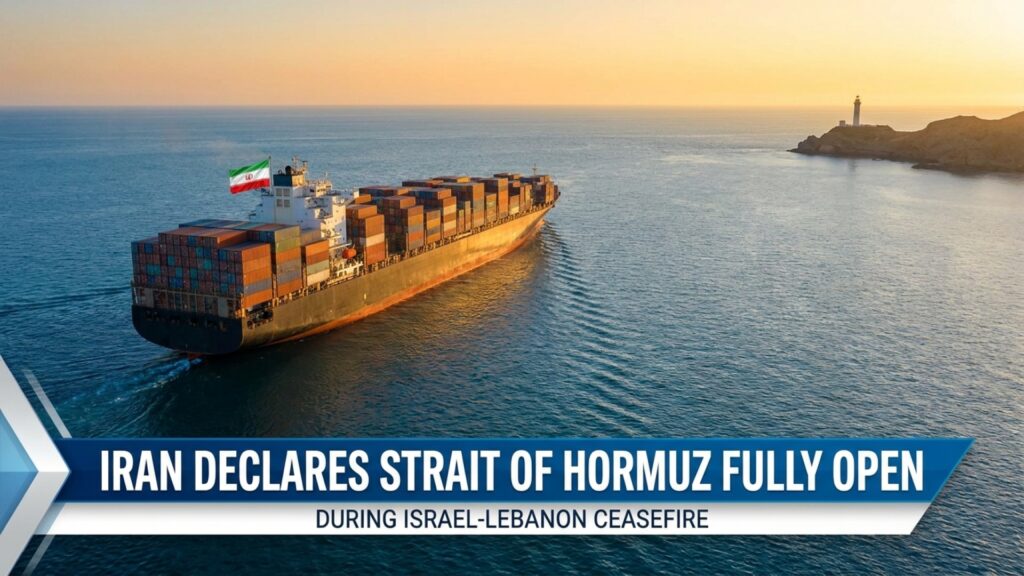
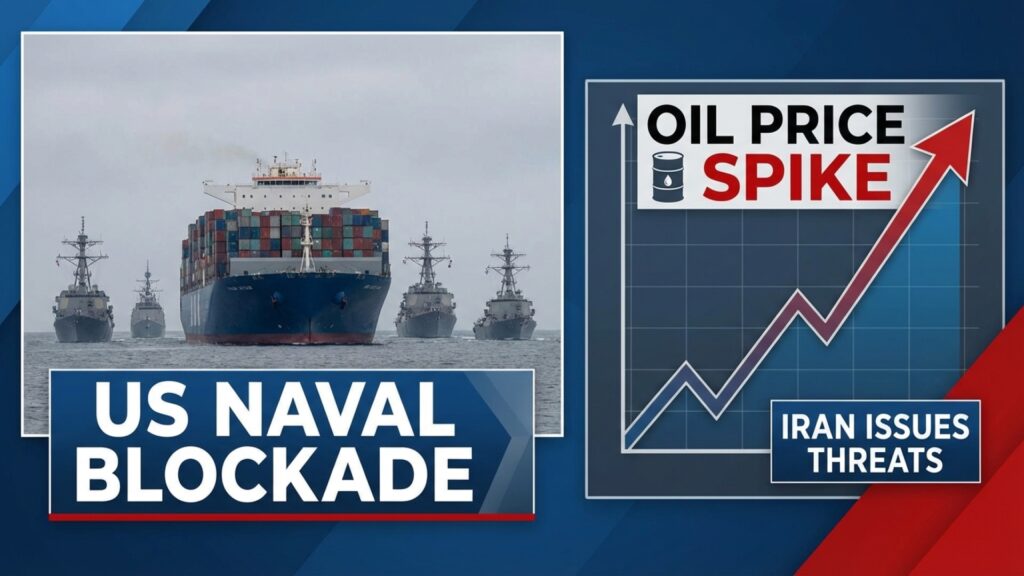
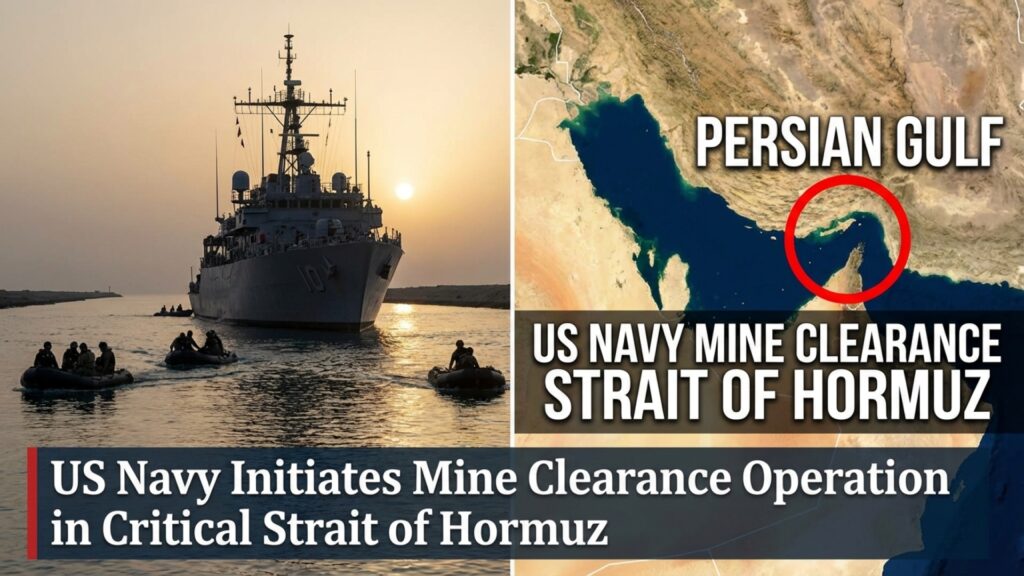
The U.S. military’s blockade now applies to all vessels transitioning to and from Iranian ports. This strategic move aims to choke off the “dark transit” oil exports that have provided Iran with a vital financial lifeline. While the Strait of Hormuz typically carries a fifth of the world’s oil, the current closure has sent energy prices skyrocketing, impacting the cost of gasoline and consumer goods in Buffalo and beyond.
U.S. President Donald Trump characterized Iran’s grip on the strait as “blackboard and extortion.” In a recent social media statement, the President warned that any Iranian fast attack ships approaching the blockade would be “immediately eliminated.” Tehran’s parliamentary speaker, Mohammad Bagher Qalibaf, responded in kind, stating, “If you fight, we will fight.”
Early data from MarineTraffic suggests the blockade is already deterring maritime traffic, with multiple tankers turning back shortly after the enforcement began Tuesday morning.
Israel and Lebanon: A Separate Peace?
Parallel to the Iran standoff, direct negotiations between Israel and Lebanon are scheduled to begin in Washington. These represent the first such talks in decades, though the path to peace remains cluttered with obstacles. While Israel has halted strikes in Beirut following international pressure, it continues operations in southern Lebanon, arguing that the Iranian ceasefire does not apply to Hezbollah.
Lebanese authorities report that the fighting has displaced over one million people. While Beirut seeks an immediate ceasefire, Israel remains focused on the disarmament of Hezbollah—a condition the militant group has already vowed to ignore. For a detailed breakdown of regional impacts, visit our politics section.
About the Author: William Strasmore is a dedicated news reporter for Lake Erie Times. With an extensive background in investigative journalism, William provides Western New York with in-depth, impartial coverage of the regional and global issues that matter most to our community.
Mission Statement: Lake Erie Times is committed to providing the Western New York community with accurate, in-depth, and engaging news coverage, fostering informed dialogue and strengthening connections within our region.
Disclaimer: The content provided by Lake Erie Times is for informational purposes only and should not be considered as professional legal or financial advice. Some links on Lake Erie Times are affiliate links. If you make a purchase through these links, we may earn a commission at no additional cost to you. Our recommendations are based on careful research and our commitment to quality journalism.
Copyright 2025 Associated Press. All rights reserved. This material may not be published, broadcast, rewritten, or redistributed. Local analysis provided by Lake Erie Times staff.