
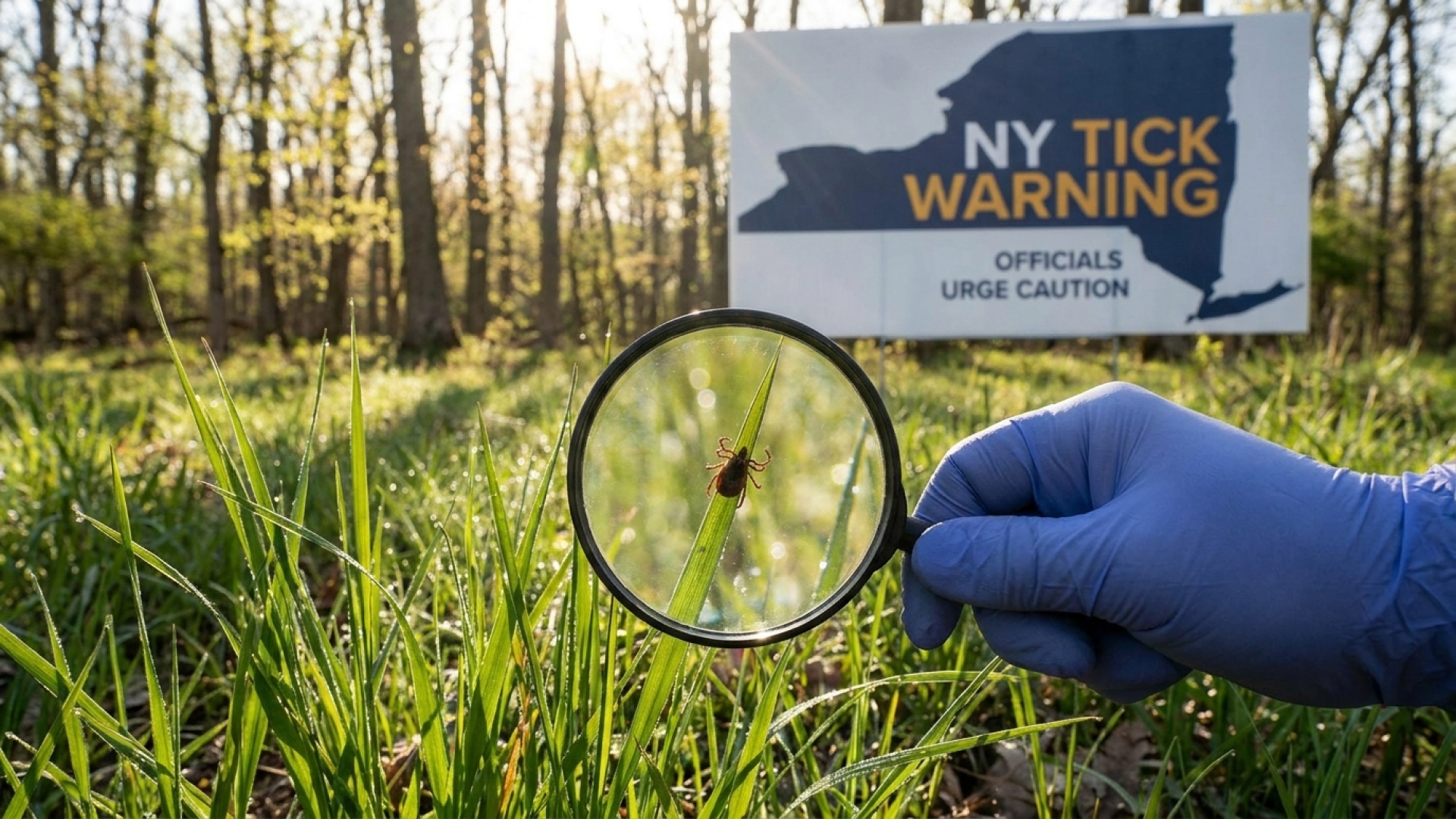
Wildlife officials are sounding the alarm as tick activity begins earlier than usual across the state, with a particular focus on the wooded corridors of Western New York. With unseasonably mild temperatures hitting the Buffalo region, reports of these pests are already surfacing in local parks and residential backyards. This early surge is prompting urgent warnings for residents to take proactive measures against tick-borne illnesses, most notably Lyme disease, which remains a significant concern for the Lake Erie Times coverage area.
Understanding the Early Rise of Tick Activity in Western New York
The New York State Parks Department and local health experts confirm that tick populations are active well ahead of the traditional spring thaw. This premature start to the tick season coincides with Western New Yorkers returning to outdoor recreation. As community members head to spots like Chestnut Ridge or the Niagara Gorge, the potential for encountering these arachnids increases. Investigative data suggests that the rising frequency of cases is linked to shorter, warmer winters, which allow more ticks to survive the dormant months and emerge earlier to find hosts.
Increased Risks During Local Outdoor Pursuits
Whether it is hiking, camping, or simply gardening in suburban Buffalo, the risk of exposure is growing. Ticks thrive in the transition zones between manicured lawns and wooded areas. State officials emphasize that the convenience of an early spring brings the added responsibility of vigilance. Venturing off marked trails or into high-growth areas significantly heightens the likelihood of a tick attaching itself to clothing or skin.
Essential Prevention Strategies
To mitigate the risk of a tick bite, residents should adopt a multi-layered defense strategy. The following table outlines the most effective preventative measures recommended by health professionals:
| Action Category | Recommended Prevention Method |
|---|---|
| Clothing | Wear long-sleeved shirts and tuck pants into socks to eliminate skin exposure. |
| Repellents | Use EPA-registered repellents containing DEET, picaridin, or IR3535. |
| Trail Safety | Stick to the center of cleared paths and avoid tall grass or leaf litter. |
| Post-Activity | Shower within two hours of coming indoors to wash off unattached ticks. |
Critical Steps: Tick Removal and Symptom Monitoring
The most effective way to prevent Lyme disease and other pathogens is a thorough tick check immediately following outdoor activity. Inspect all areas of the body, paying close attention to the scalp, behind the ears, and around the waistline. If a tick is discovered, it must be removed promptly to reduce the window of transmission.
To safely remove a tick, use fine-tipped tweezers to grasp the insect as close to the skin’s surface as possible. Pull upward with steady, even pressure without twisting or jerking, which can cause the mouthparts to break off in the skin. Following removal, clean the bite area with rubbing alcohol or soap and water. If a rash or fever develops within a few weeks of removal, consult a healthcare provider immediately. For those in the Western New York region, the Lake Erie Times recommends staying updated via the Erie County Department of Health for localized surge warnings.
Disclaimer: The content provided by Lake Erie Times is for informational purposes only and should not be considered as professional legal or medical advice.