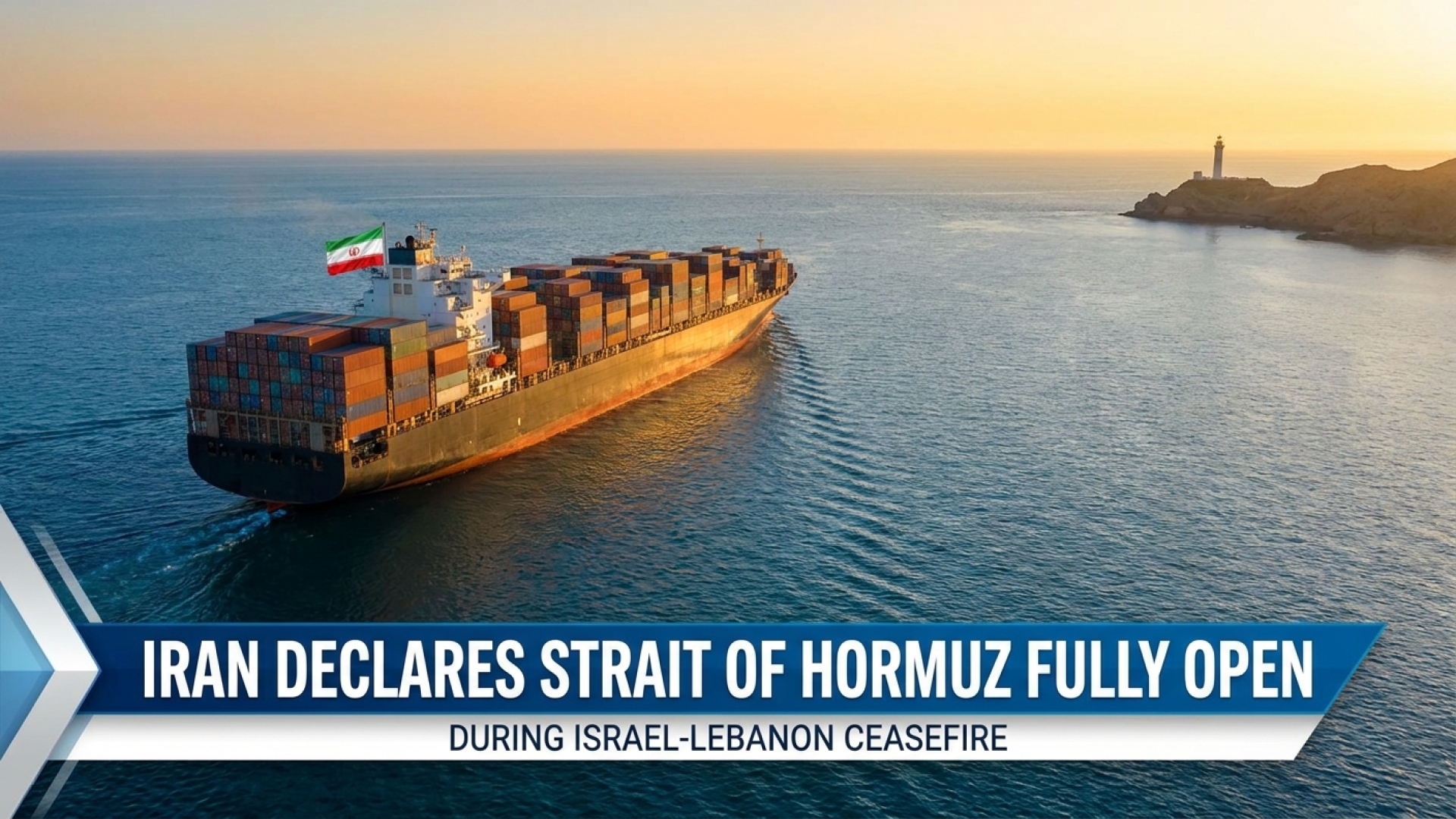
Following a significant shift in Middle Eastern diplomacy, the Iranian government has announced the full reopening of the Strait of Hormuz to all commercial shipping traffic. This critical development follows the implementation of a 10-day Israel-Lebanon ceasefire, a move that is expected to have immediate repercussions for global energy markets and, by extension, economic conditions here in Western New York.
Iran’s Strategic Shift During the Ceasefire
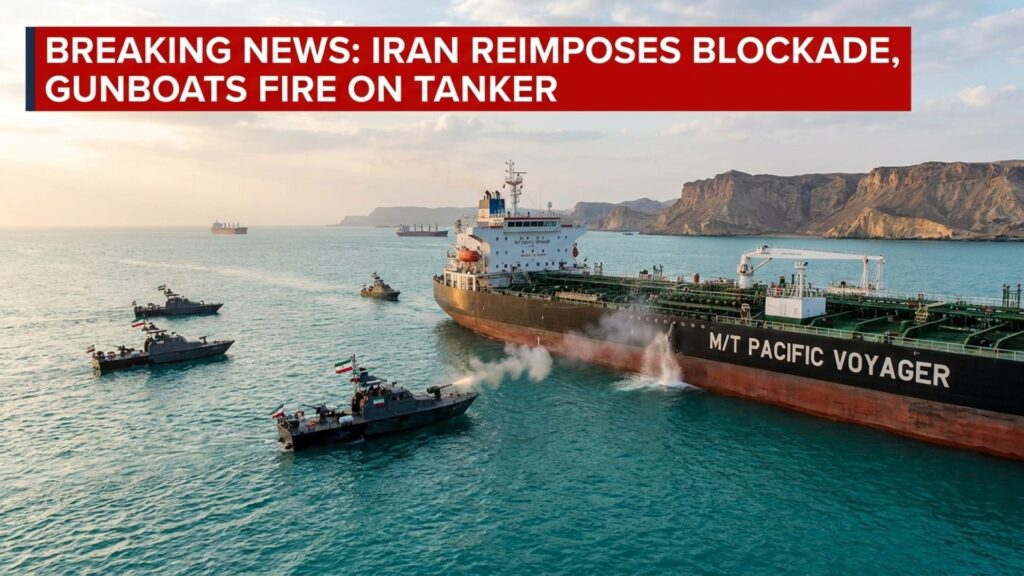
On Friday, Tehran confirmed that the maritime corridor—a chokepoint responsible for the transit of approximately one-fifth of the world’s oil supply—is now fully operational. Iran’s Foreign Minister, Seyed Abbas Araghchi, verified the reopening via social media, noting that a coordinated route has been established by the Ports and Maritime Organisation of the Islamic Republic of Iran to facilitate the safe passage of commercial vessels.
For the residents and businesses of Buffalo and the broader Niagara region, the stability of this waterway is often a precursor to fluctuations at the gas pump and in the cost of transported goods. As Lake Erie Times business analysts monitor the situation, the focus remains on whether this 10-day window will provide lasting relief to global supply chains.
International Political Response
The announcement drew a swift response from President Donald Trump, who expressed approval of the decision shortly after it was made public. Highlighting the necessity of the strait being “fully open and ready for full passage,” the President’s remarks underscore the high stakes involved in maintaining open sea lanes for international trade. This development adds a new layer to the ongoing political discourse regarding U.S. foreign policy and regional stability.
Context of Regional Tensions and Blockades
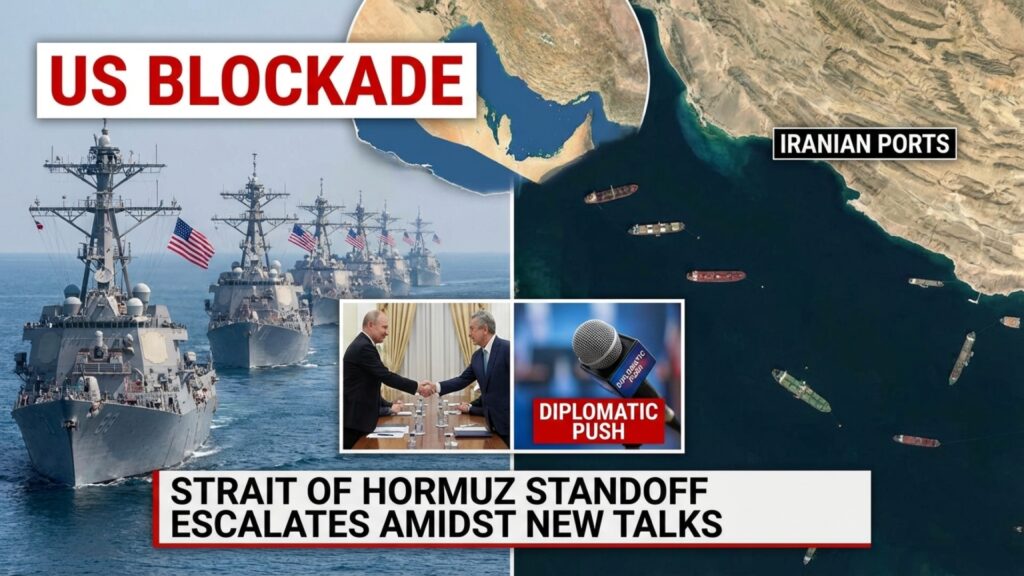
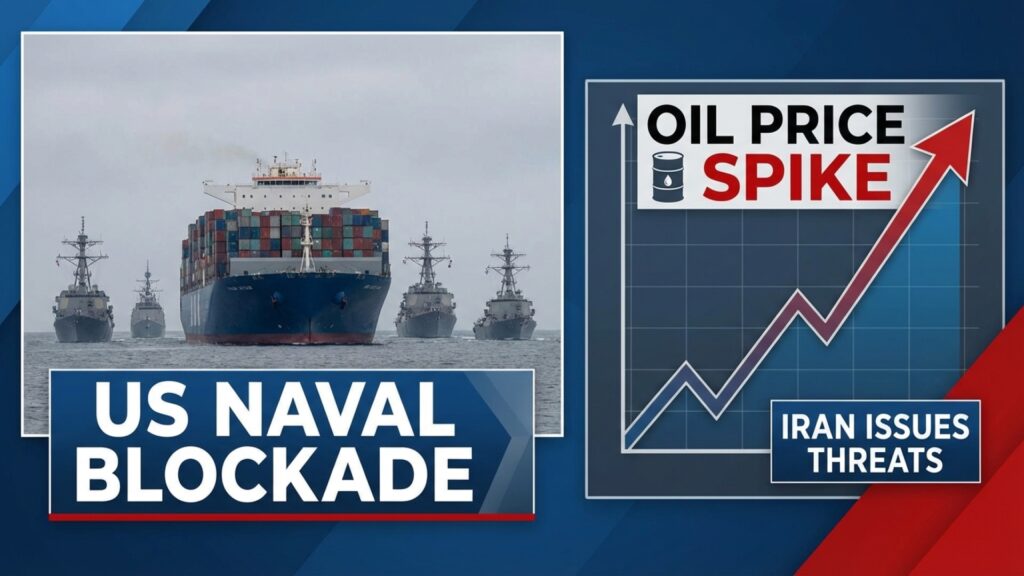
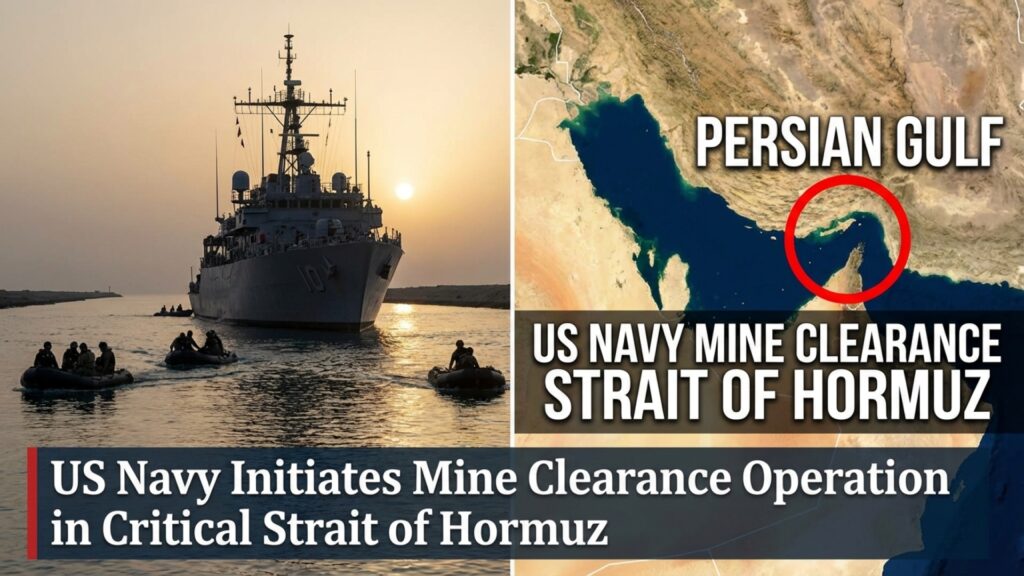
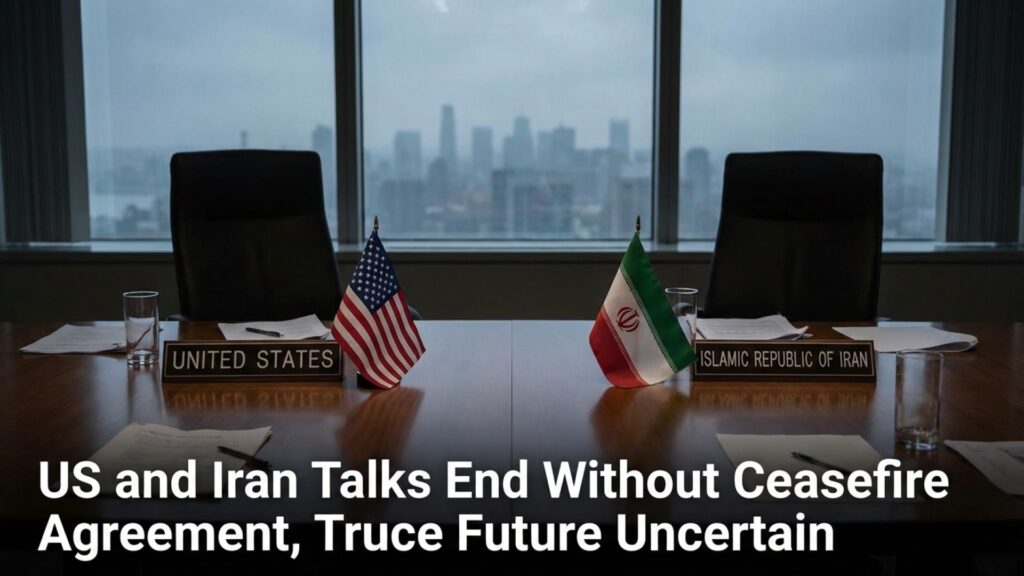
The reopening comes after a period of intense volatility. While the U.S. had previously entered into a brief ceasefire agreement with Iran in early April, the Strait of Hormuz remained largely inaccessible due to the escalating conflict between Israel and Lebanon. During that time, a dual-blockade scenario emerged: Iran restricted passage, prompting the U.S. to enforce its own maritime restrictions, which significantly curtailed the volume of safe naval traffic.
As of this report, the status of the U.S. blockade in light of Iran’s announcement remains fluid. William Strasmore will continue to provide in-depth analysis as more information becomes available regarding the safety protocols for ships navigating these waters.
Impact on Western New York
While the conflict is geographically distant, the “Lake Erie Times” recognizes the direct link between international maritime security and local economic health. The following table illustrates the potential areas of impact for the Western New York region:
| Sector | Potential Impact |
|---|---|
| Energy & Fuel | Stabilization of local gasoline and heating oil prices. |
| Manufacturing | Reduced shipping surcharges for raw materials sourced internationally. |
| Logistics | Increased predictability for regional supply chains and freight. |
For more updates on how global events shape our local community, visit our community news section. Note: The information provided by Lake Erie Times is for informational purposes only and should not be considered professional financial advice.
William Strasmore is an investigative reporter for the Lake Erie Times, specializing in the intersection of international policy and local economic impact. For further insights, visit his author page.