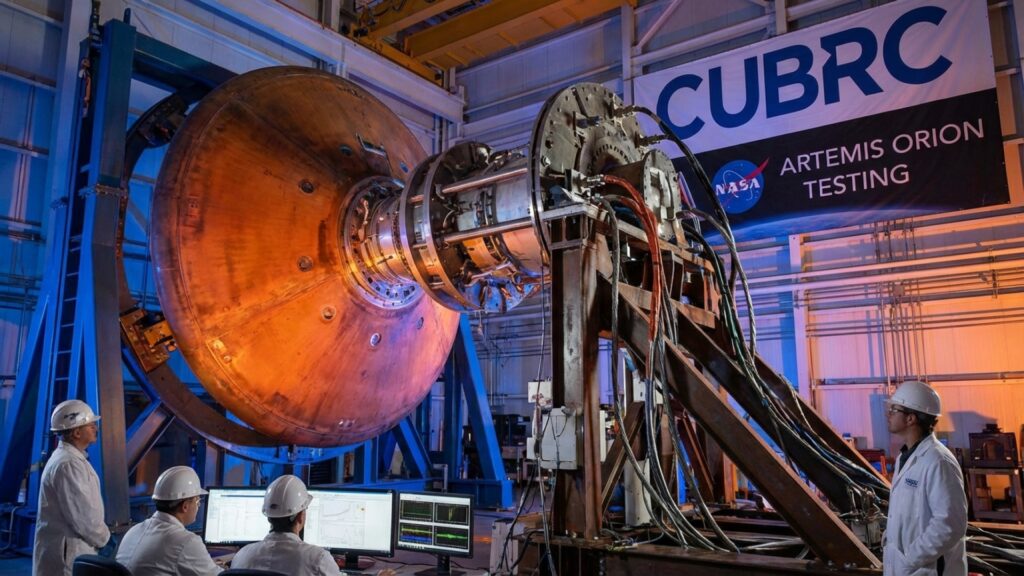
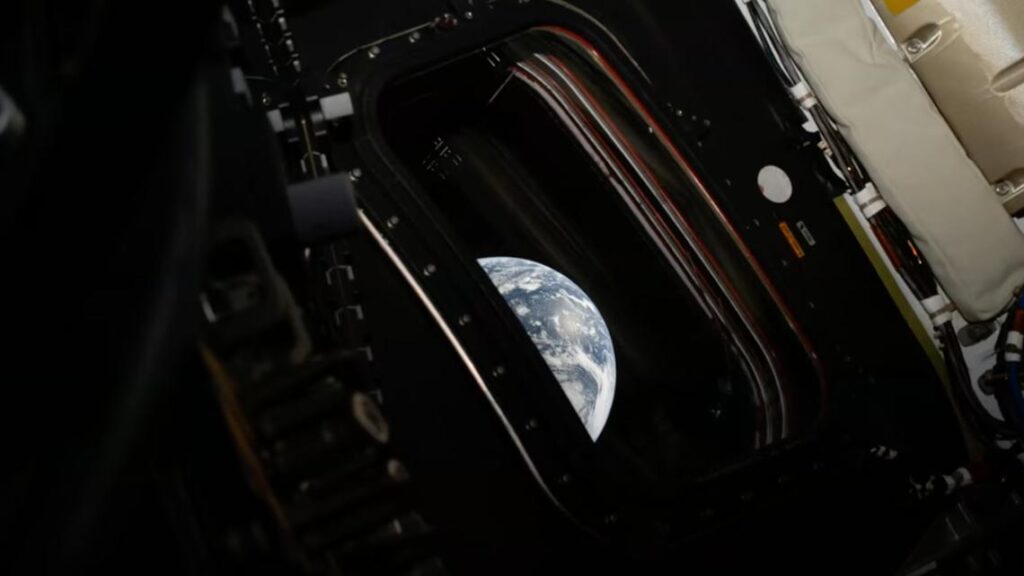
As the eyes of Western New York turn toward the heavens, NASA’s Artemis II mission is successfully pushing the boundaries of human exploration. Three days into their historic voyage, the four-person crew aboard the Orion spacecraft remains in high spirits, navigating the complexities of deep space as they prepare for a milestone lunar encounter.
The mission, which represents the first human-led lunar flight in over half a century, is led by Commander Reid Wiseman, Pilot Victor Glover, and Mission Specialists Christina Koch and Jeremy Hansen. Since lifting off from the Kennedy Space Center on April 1, the team has been meticulously testing the systems that will eventually return Americans to the lunar surface. For residents across the Lake Erie region, the mission serves as a profound reminder of the scientific progress and regional aerospace contributions that continue to fuel our nation’s reach into the stars.
Precision Navigation: Orion’s Path to the Moon
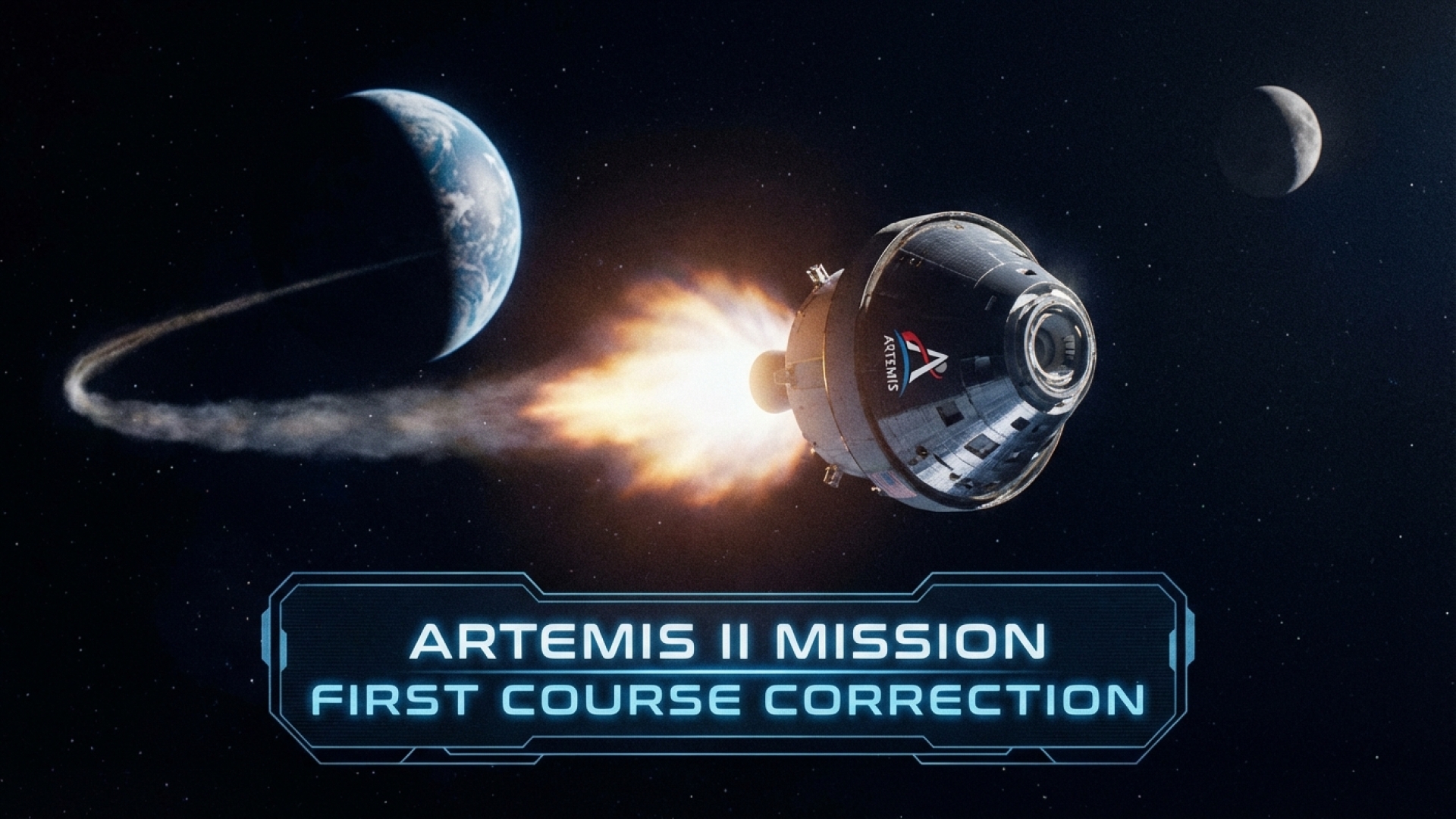
The technical execution of the flight has been remarkably precise. The Orion spacecraft successfully completed its translunar injection burn, with the main engine firing for nearly six minutes. This maneuver effectively broke the bonds of Earth’s orbit, a feat not accomplished by a crewed vessel since the conclusion of the Apollo program in 1972.
By midmorning Friday, the crew had already traversed 100,000 miles, with approximately 160,000 miles remaining before their scheduled arrival at the moon this Monday. While a brief cabin leak alert initially raised concerns among ground controllers, the issue was quickly diagnosed as a false indication, allowing the crew to maintain their trajectory without interruption. This steady hand in the face of technical anomalies reflects the rigorous training and investigative mindset required for such a high-stakes endeavor.
Artemis II: Mission Timeline and Specifications
| Event / Metric | Details |
|---|---|
| Launch Time | April 1, 6:35 p.m. EDT |
| Translunar Burn Duration | 5 Minutes, 50 Seconds |
| Current Distance (approx.) | 100,000 Miles from Earth |
| Projected Peak Distance | 252,021 Statute Miles |
| Lunar Flyby Date | Monday, April 7 |
| Mission Conclusion | April 10 (Pacific Splashdown) |
Scientific Objectives and Lunar Observations
The upcoming lunar flyby is not merely a test of flight systems; it is a critical window for geological discovery. Mission scientists have established a rigorous targeting plan for Monday’s encounter. The crew will focus on documenting ancient lava flows, craters, and structural ridges that offer clues to the formation of our solar system.
A unique aspect of this mission is the six-hour observation window during which the spacecraft will align with the sun and the moon. This positioning will grant the crew a rare view of roughly 20% of the moon’s far side—areas such as the Orientale basin and the Pierazzo and Ohm craters. These features, invisible from Earth, will be witnessed by human eyes for the first time without the aid of remote sensors.
Breaking Records in the Deep Void
Artemis II is poised to rewrite the record books. NASA projections indicate the crew will reach a distance of approximately 252,021 statute miles from Earth. This surpasses the long-standing record set by the Apollo 13 crew in 1970 by more than 3,000 miles. Additionally, the crew is expected to experience a solar eclipse from their unique vantage point, with the sun disappearing behind the lunar disk for nearly an hour.
As the 10-day mission nears its conclusion, the focus will shift toward the high-speed reentry into Earth’s atmosphere. The Orion spacecraft is slated for a Pacific Ocean splashdown off the coast of San Diego on April 10. For those of us in Western New York, the mission serves as an inspiring testament to human ingenuity and the tireless pursuit of the truth, values we hold dear at the Lake Erie Times.
Disclaimer: The content provided by Lake Erie Times is for informational purposes only and should not be considered as professional legal or financial advice. Some links on Lake Erie Times are affiliate links. This means that if you make a purchase through these links, we may earn a commission at no additional cost to you.