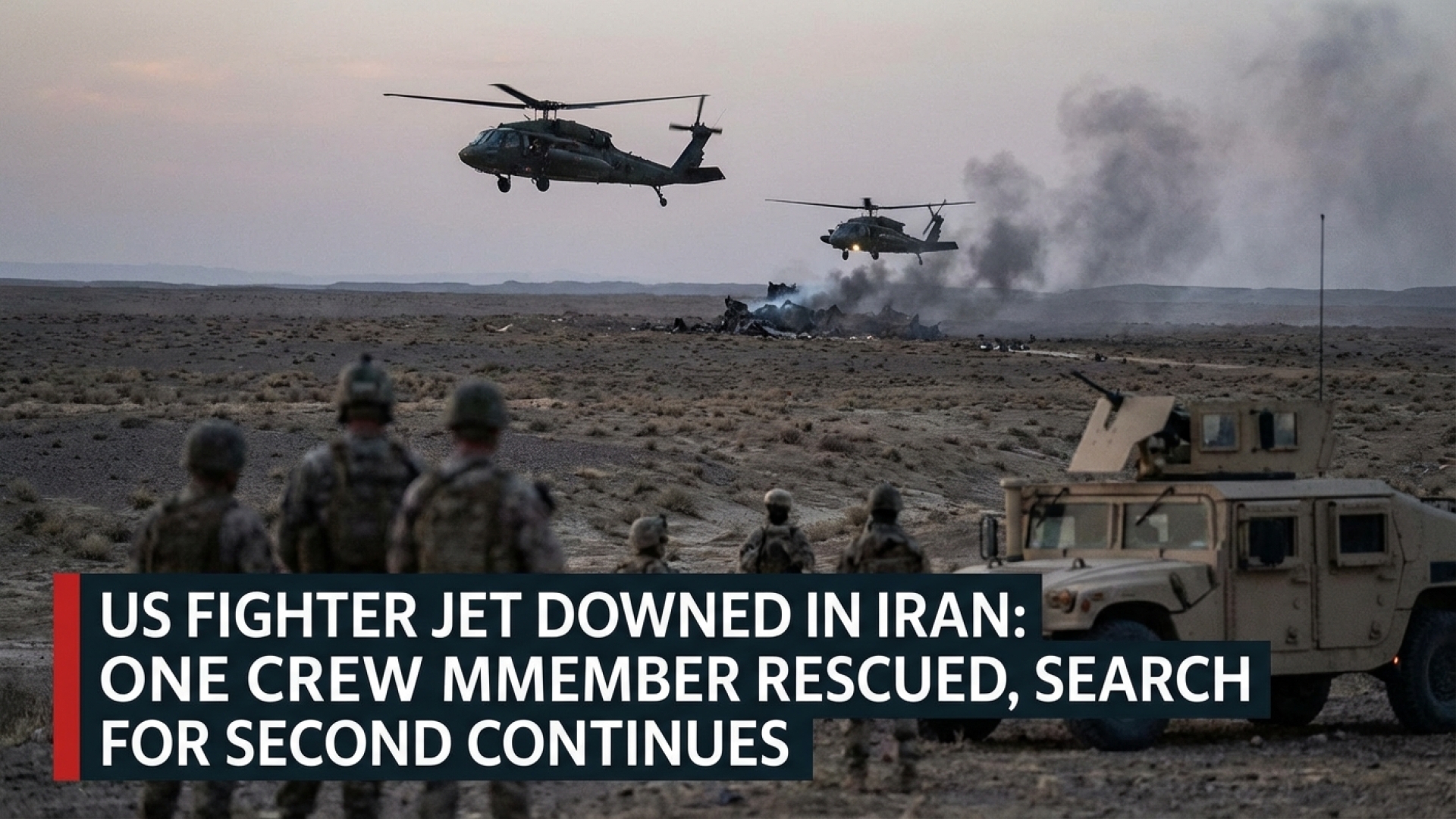
In a grave escalation of Middle Eastern hostilities, a United States F-15 fighter jet was downed over Iranian territory this week. As the region teeters on the edge of a broader conflict, search and rescue operations remain the primary focus following the successful retrieval of one crew member, while the fate of the second remains unconfirmed.
Details of the Downing in Tehran Province
The incident represents the first recorded loss of a U.S. aircraft within Iranian borders during the current five-week period of heightened hostilities. The F-15, a staple of American air superiority, was reportedly brought down over a mountainous region in Tehran Province—specifically within the Kohkilouyeh and Boyer-Ahmad regions. This development marks a significant turning point in the tactical dynamics of the region, shifting from proxy engagements to direct military confrontation.
A summary of the incident details can be found below:
| Event Detail | Status/Information |
|---|---|
| Aircraft Type | U.S. F-15 Fighter Jet |
| Location | Kohkilouyeh and Boyer-Ahmad Province, Iran |
| Crew Status | One rescued; One unconfirmed/missing |
| Rescue Support | U.S. Drones, Helicopters, and Israeli Intelligence |
High-Stakes Rescue Mission Underway
Following the crash, a rapid-response rescue operation was launched. Military officials confirmed that one of the two crew members successfully ejected and has been recovered. An Israeli military officer, speaking on the condition of anonymity, noted that Israel is actively providing logistical support and intelligence for the ongoing mission. The search for the second pilot is currently utilizing a suite of American assets, including high-altitude drones and specialized transport aircraft, currently patrolling the rugged terrain where the jet went down.
Iranian State Response and Civil Appeals
Iranian state media outlets have been vocal since the incident began, initially broadcasting aggressive rhetoric. Local television in the Kohkilouyeh and Boyer-Ahmad province briefly urged residents to take direct action against any sighted pilots. However, this stance was quickly moderated; authorities are now offering a “precious prize” to any civilians who deliver downed American pilots to security agencies alive. This shift suggests that the Iranian military may have a limited physical presence in the rural, mountainous areas, necessitating civilian cooperation in the search.
Economic Implications for Western New York
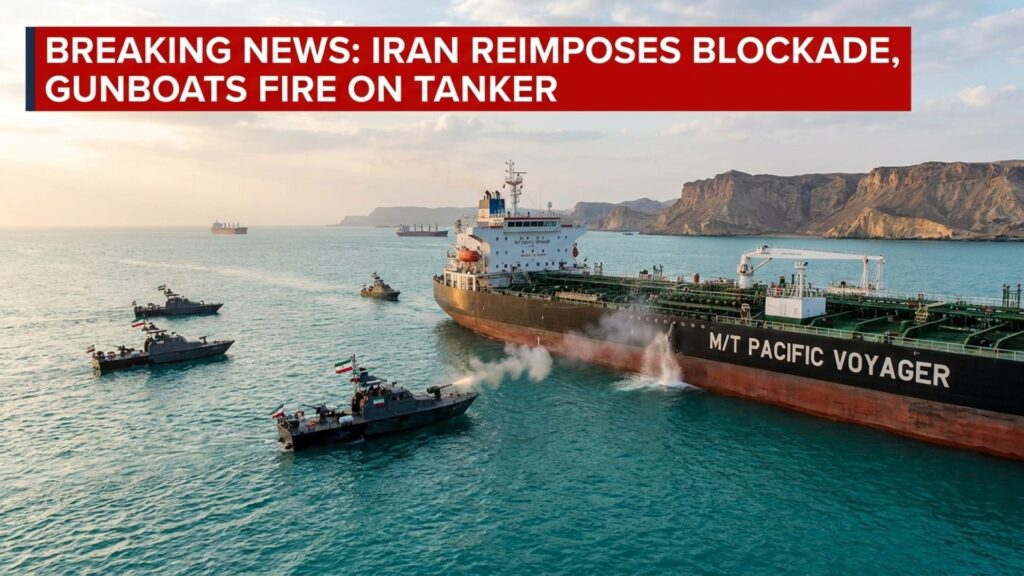
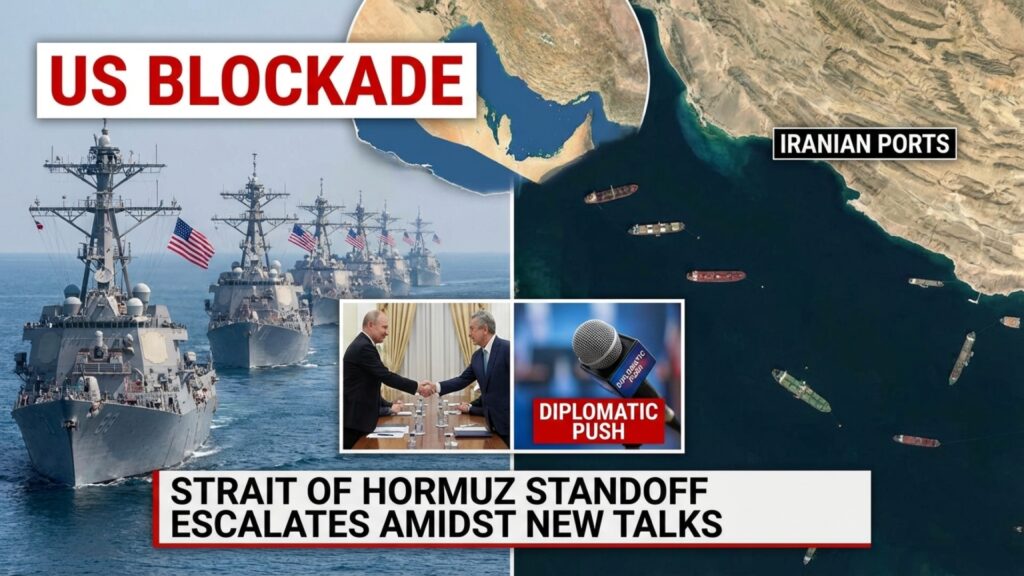
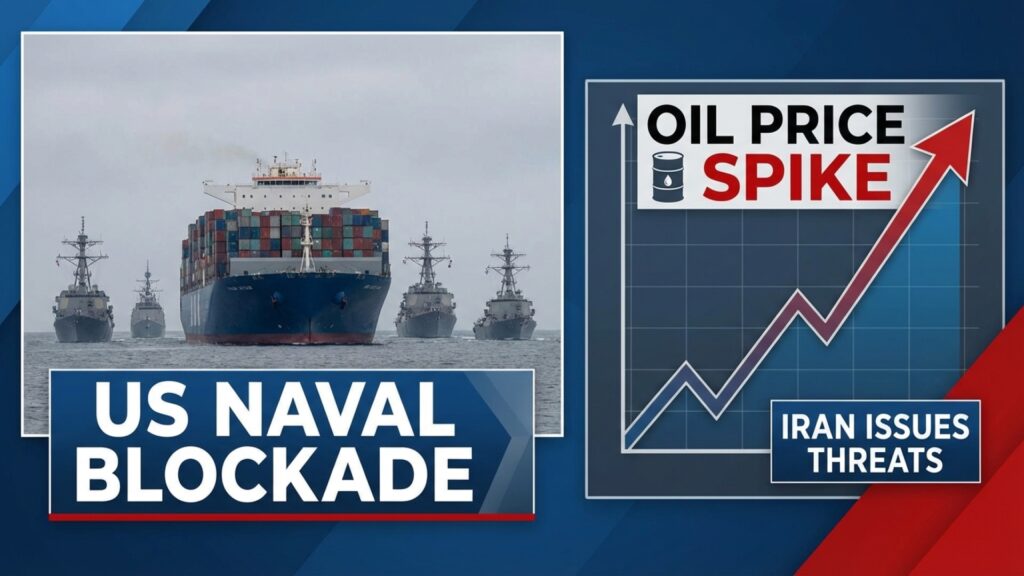
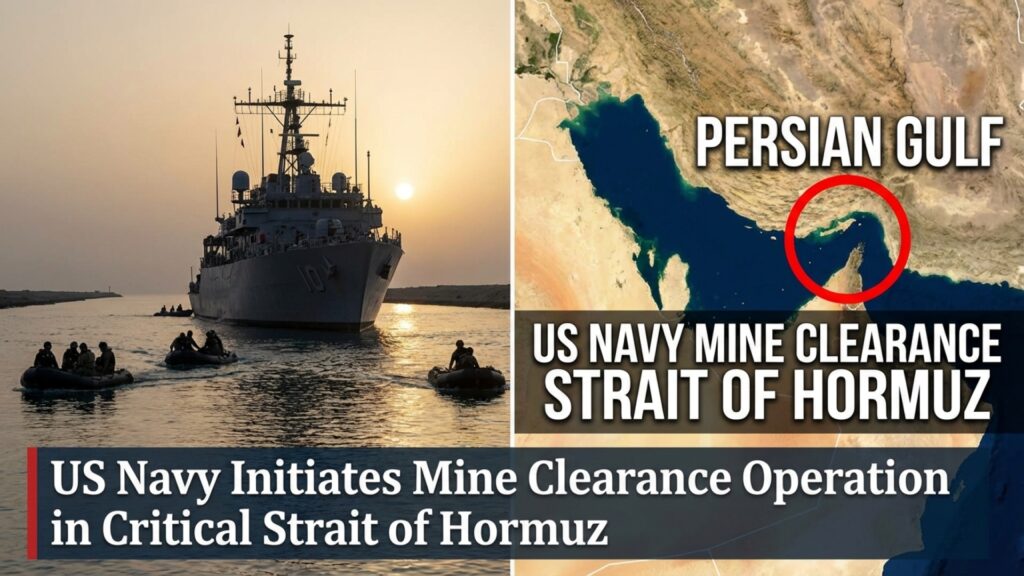
For residents of Buffalo and the Western New York region, the implications of this clash extend far beyond military headlines. The ongoing instability has severely disrupted global energy markets. As Iran tightens its grip on the Strait of Hormuz—a critical artery for the world’s oil and natural gas—local analysts at the Lake Erie Times warn that energy price volatility could soon impact home heating and transportation costs across the Niagara Frontier.
The conflict has already seen Iranian missiles striking refineries and desalination plants in Kuwait, while an airstrike recently targeted Tehran. With the U.S. administration signaling that military forces will continue to respond with significant force, the potential for a prolonged disruption to the global economy remains high.
The Associated Press contributed to this report. Copyright 2025 Associated Press. All rights reserved. This material may not be published, broadcast, rewritten, or redistributed.
About the Author: William Strasmore is a veteran news reporter for the Lake Erie Times. With a background in investigative journalism, Strasmore provides Western New York with in-depth analysis of regional and global issues that hit home.
Disclaimer: The content provided by Lake Erie Times is for informational purposes only and should not be considered professional legal or financial advice. Some links on Lake Erie Times are affiliate links; we may earn a commission at no additional cost to you based on our commitment to quality journalism.