Key Findings: Pediatric Sepsis Statistics
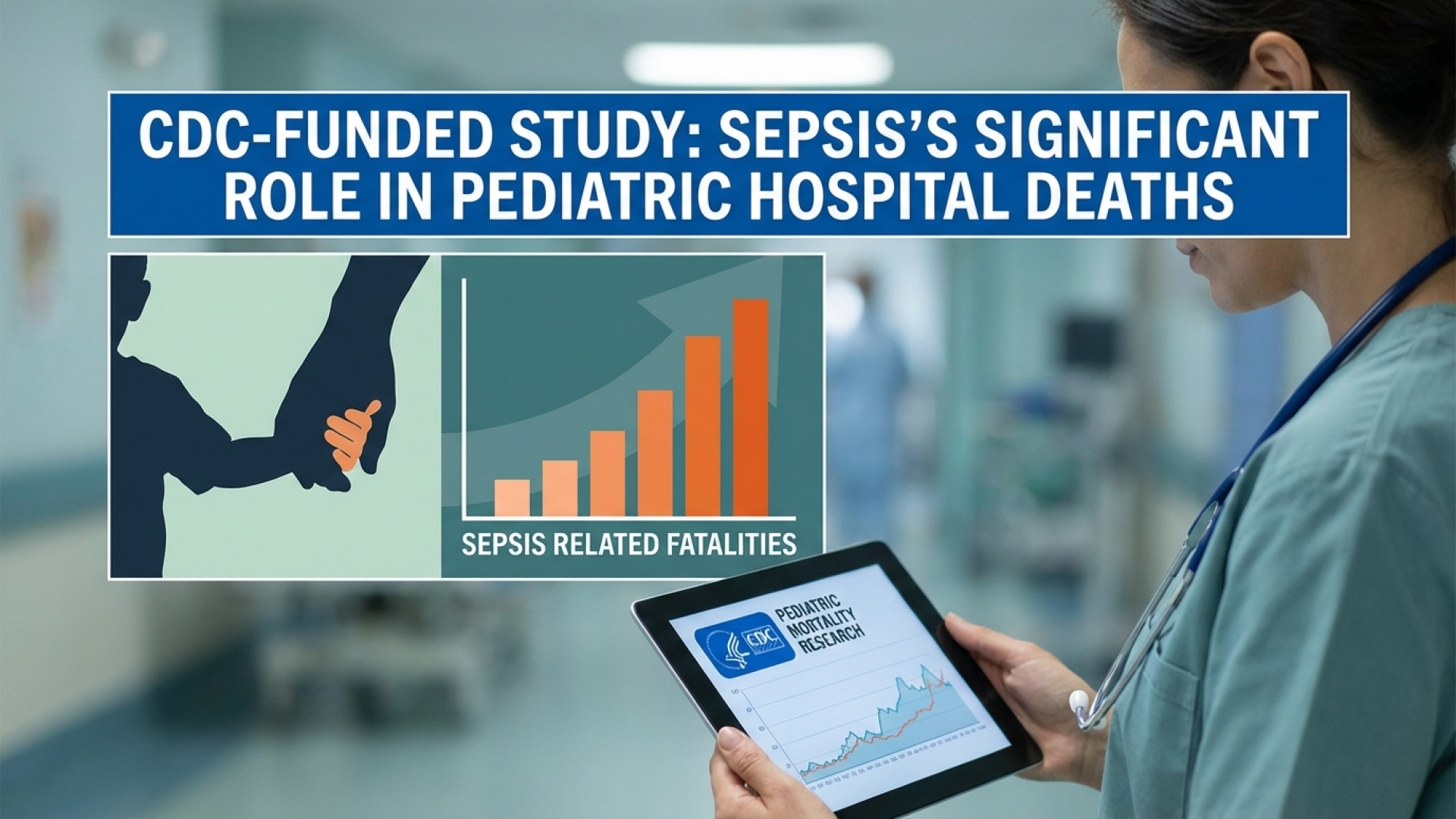
The study’s findings indicate that sepsis is far more prevalent in pediatric settings than previously estimated. To provide clarity on the scale of this issue, the following data points represent the national impact on hospitalized children:| Metric Category | Estimated Impact |
|---|---|
| Annual Pediatric Sepsis Cases | Over 18,000 children |
| Annual Mortality Rate | 1,800+ deaths |
| Frequency in Hospitalizations | 1 in every 75 pediatric cases |
| Community-Onset Cases | 73% (originated outside the hospital) |
| Mortality Link | Nearly 1 in 5 pediatric hospital deaths |
National Surveillance and Local Action
The CDC’s latest analysis introduces a validated measurement approach designed to help hospitals identify trends more accurately. This system is intended to guide proactive strategies, ensuring that medical teams can move from reactive treatment to preventative management. In response to the study, health officials are urging providers—including those at major regional centers like Oishei Children’s Hospital—to adopt the CDC’s sepsis program core elements. These elements focus on accountability, reporting, and high-speed case tracking. Because nearly three-quarters of these cases begin at home or in the community, the role of local healthcare providers in educating the public on early warning signs has never been more important.Empowering Western New York Families
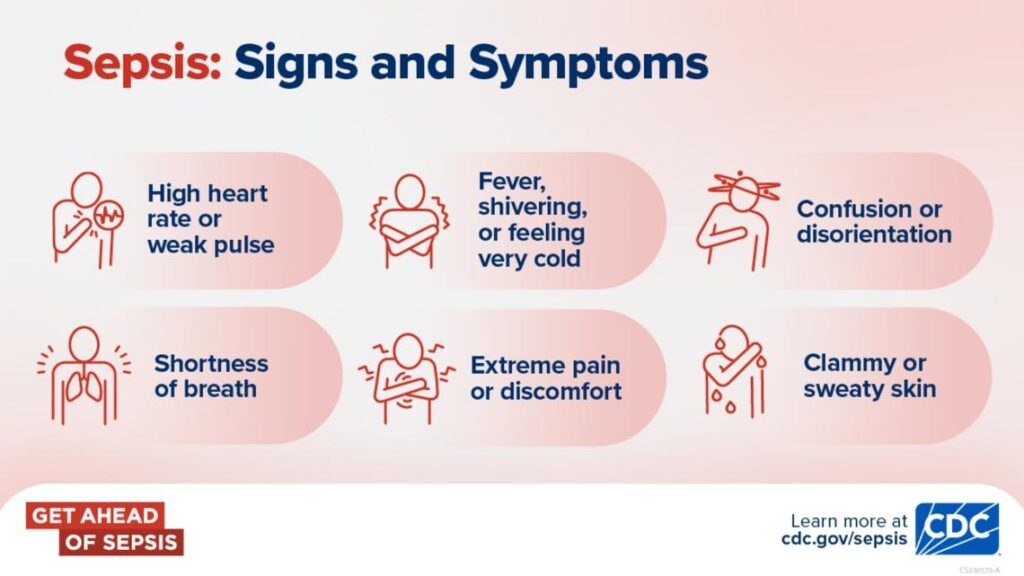
Detection and prevention are not limited to the hospital room. As part of our commitment to lifestyle and health awareness, the Lake Erie Times encourages parents to familiarize themselves with the CDC’s sepsis fact sheet. Recognizing symptoms such as high heart rate, fever, shivering, or extreme pain can be the difference between a routine recovery and a life-threatening emergency. By staying informed, Buffalo families can help lower the incidence of sepsis and support the health of the next generation of Western New Yorkers. For more updates on local health and community issues, stay connected with the Lake Erie Times.About the Author: William Strasmore is a dedicated news reporter in Western New York who delivers in-depth, impartial coverage and incisive analyses on regional issues.
Disclaimer: The content provided by Lake Erie Times is for informational purposes only and should not be considered as professional medical, legal, or financial advice. Some links on Lake Erie Times are affiliate links; we may earn a commission at no additional cost to you.