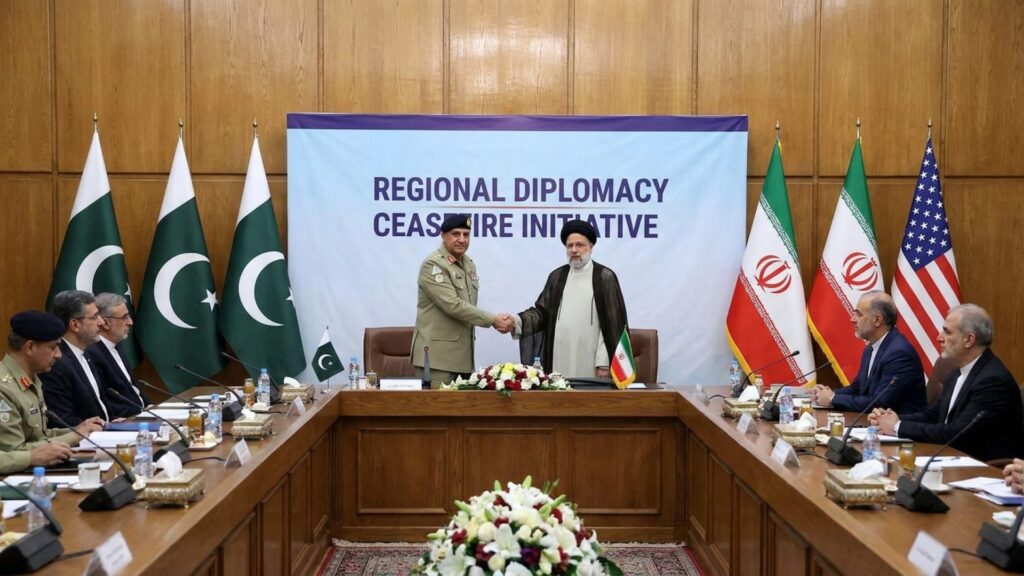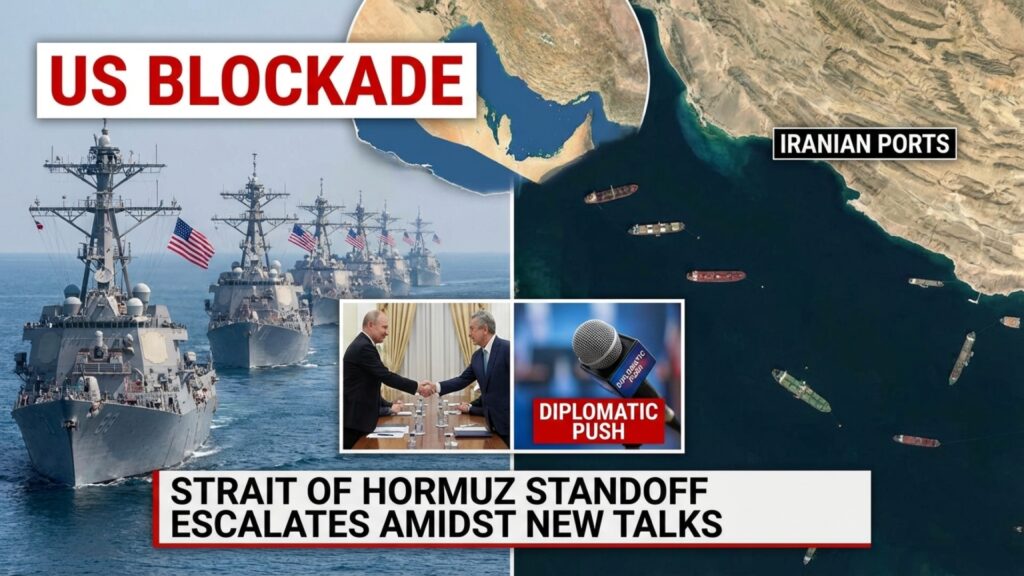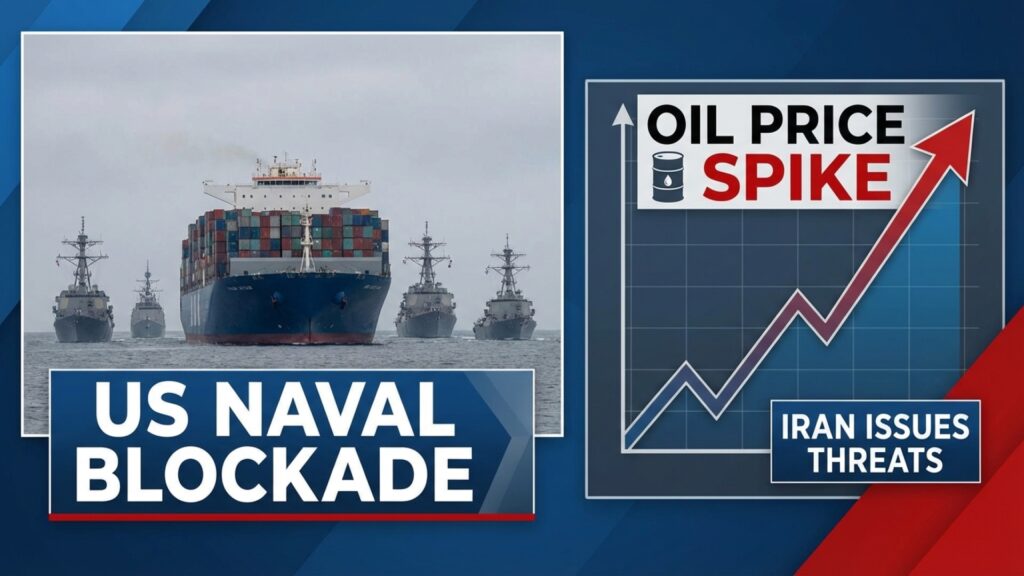
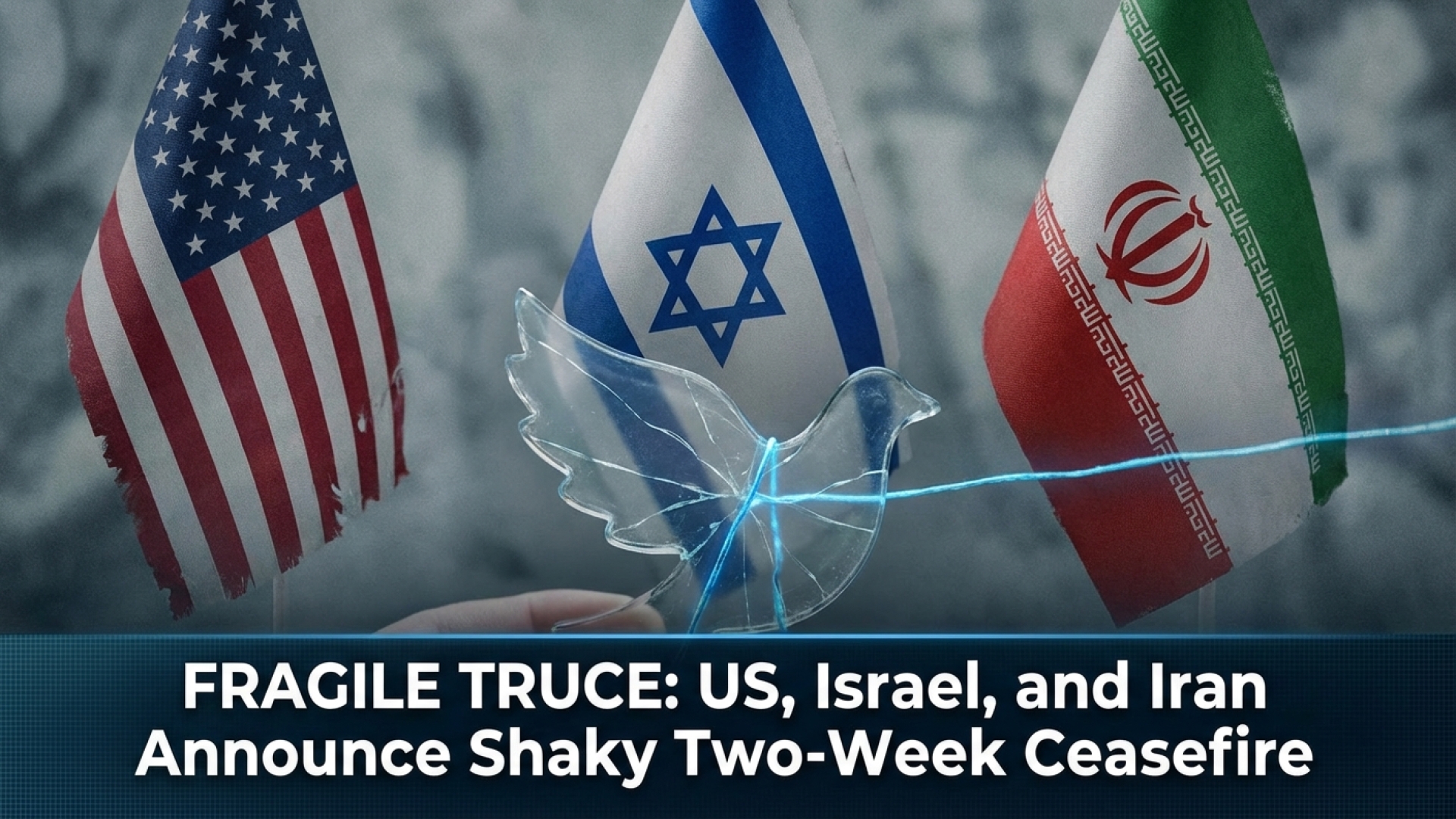
In an 11th-hour diplomatic maneuver, Iran, the United States, and Israel have reached a tentative two-week ceasefire agreement, narrowly averting President Donald Trump’s threatened bombing campaign against Iranian infrastructure. While the announcement late Tuesday night initially signaled a cooling of tensions, the Lake Erie Times has observed that the long-term implications remain precarious, with new attacks reported in the Gulf region just hours after the deal was publicized.
Conflicting Interpretations of the Ceasefire Terms
As Western New York residents keep a close eye on international stability and its subsequent impact on local energy costs, the specifics of this agreement remain mired in “fragility,” according to U.S. Vice President JD Vance. The negotiating parties have presented vastly different visions of what was actually agreed upon in the mediation rooms.
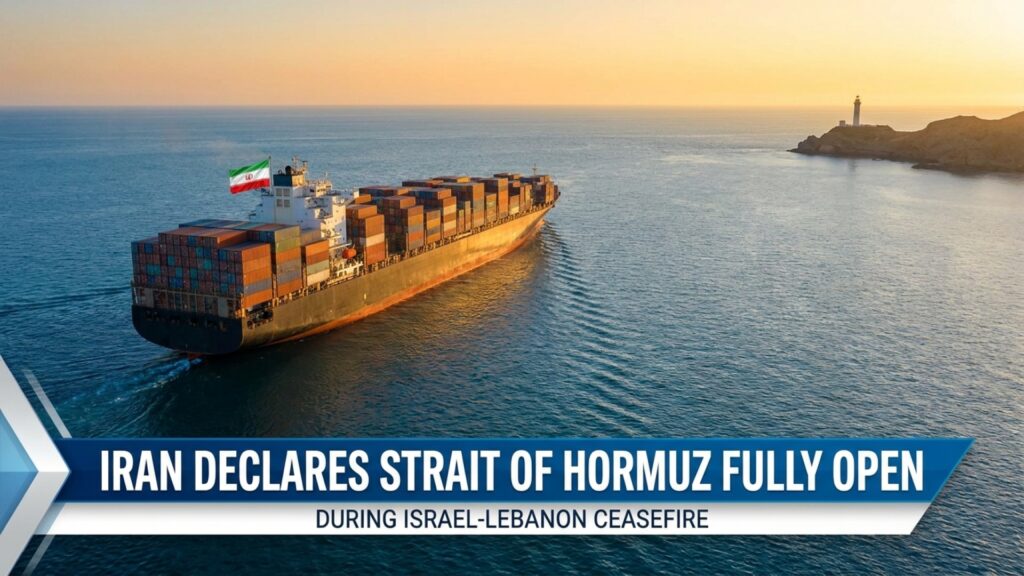
Iran has asserted that the deal formalizes its authority to charge transit fees for ships passing through the Strait of Hormuz—a vital artery for global oil and natural gas. Conversely, the U.S. and its allies have not confirmed this concession. In Lebanon, mediator Pakistan reported a pause in hostilities between Israel and the Iran-backed Hezbollah; however, Israel has denied such a pause, with kinetic operations continuing in Beirut through Wednesday morning.
Key unresolved issues include Iran’s missile and nuclear programs. While President Trump suggested a collaborative effort to remove buried enriched uranium, Tehran has remained silent on the matter. On the ground in Tehran, pro-government demonstrations continue to highlight the domestic pressure on Iranian leadership, with hard-liners expressing outrage over any perceived compromise with the West.
Diplomatic Demands and the 10-Point Plan
The confusion surrounding the deal is exemplified by the “10-point plan” initially mentioned by the Trump administration. A Farsi version of the document circulated by Iranian state media suggested that enrichment activities could continue, a claim the White House quickly dismissed as fraudulent. According to Lake Erie Times politics reporting, the U.S. remains firm on the eventual dismantling of these programs.
Iran’s primary demands for a permanent peace include:
- Complete withdrawal of U.S. combat forces from the Middle East.
- Full lifting of economic sanctions.
- The release of billions in frozen overseas assets.
While Trump indicated a willingness to discuss “Tariff and Sanctions relief,” many of Iran’s broader requirements are viewed as nonstarters by Western diplomats. Prime Minister Benjamin Netanyahu has also clarified that Israel’s commitment to the ceasefire does not extend to its operations against Hezbollah in Lebanon until specific security guarantees are met.
Strategic Control of the Strait of Hormuz
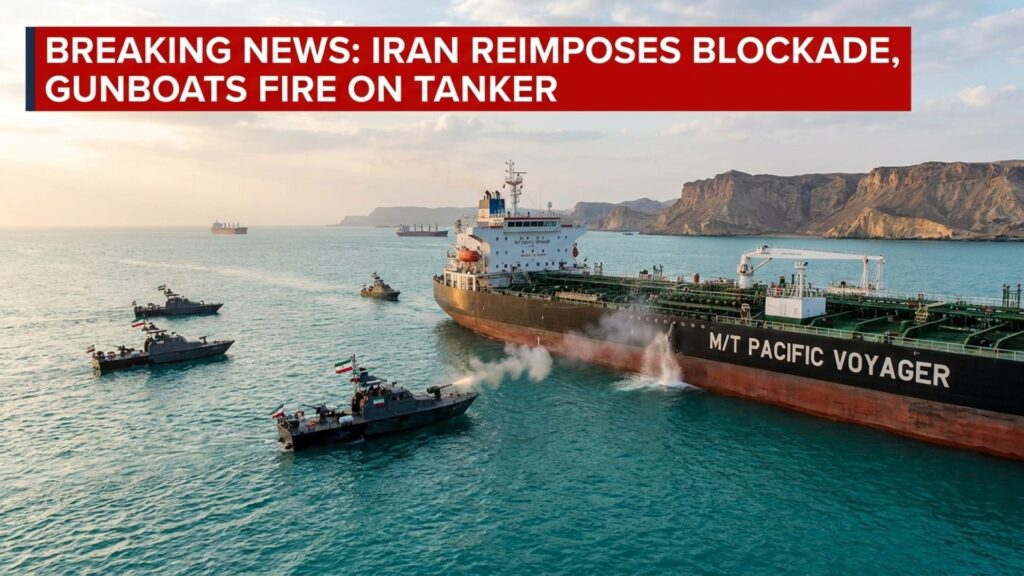
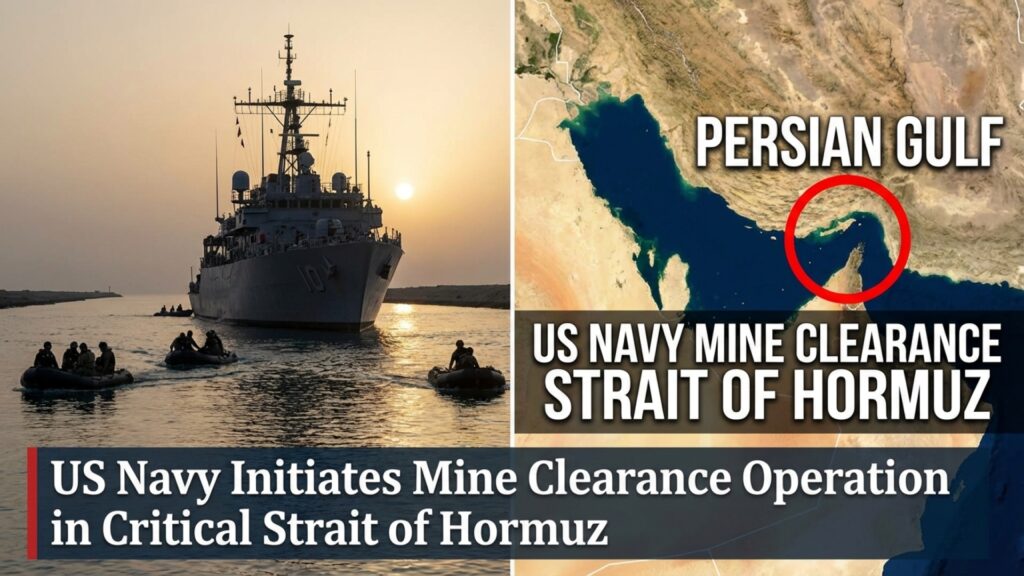
The Strait of Hormuz remains the most significant leverage point for Tehran. With 20% of the world’s traded energy passing through these waters, any disruption is felt directly at the pumps in Buffalo and across the Western New York business landscape. The proposed ceasefire may introduce a formal fee system for passage, managed by Iran and Oman, with revenues reportedly earmarked for reconstruction.
| Issue | Iranian Position | U.S. / Israeli Position |
|---|---|---|
| Strait of Hormuz | Collection of transit fees for reconstruction. | Naval presence to ensure “free international passage.” |
| Nuclear Enrichment | Claimed right to 60% enrichment for “peaceful use.” | Requirement to “dig up and remove” enriched material. |
| Lebanon Conflict | Ceasefire must include Hezbollah. | Military operations continue until Hezbollah retreats. |
Immediate Violations and Human Toll
The durability of the deal was tested almost immediately. Hours after the midnight announcement, air defense sirens were activated across Bahrain, Kuwait, and Saudi Arabia. An oil refinery on Iran’s Lavan Island was reportedly struck by unidentified aircraft, though U.S. and Israeli commands have officially declined to comment on the incident.
The human cost of this regional conflict is staggering. Since March, over 1,900 deaths have been recorded in Iran, while more than 1,500 have been killed in Lebanon, with over a million people displaced. The Western New York community continues to monitor these developments, particularly the safety of the 13 U.S. service members reported killed during the recent escalation.
As investigative reporter William Strasmore notes, the two-week window provides a brief respite, but without a consensus on the 10-point plan and the removal of nuclear material, the threat of an “apocalyptic confrontation” remains on the horizon. Lake Erie Times will continue to provide updates as this story develops in Islamabad and Washington.
Disclaimer: The content provided by Lake Erie Times is for informational purposes only and should not be considered as professional legal or financial advice. Some links on Lake Erie Times are affiliate links. This means that if you make a purchase through these links, we may earn a commission at no additional cost to you.