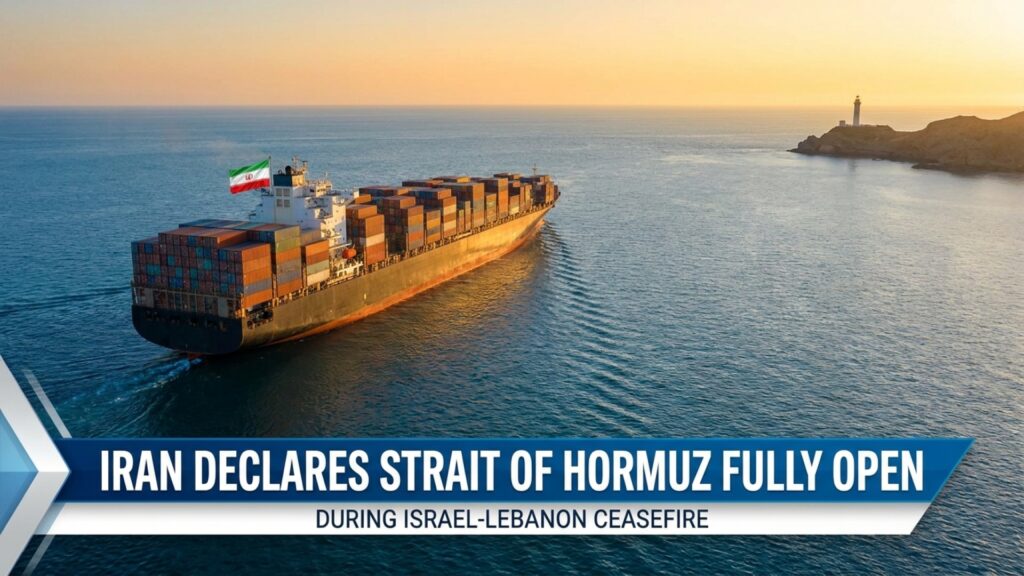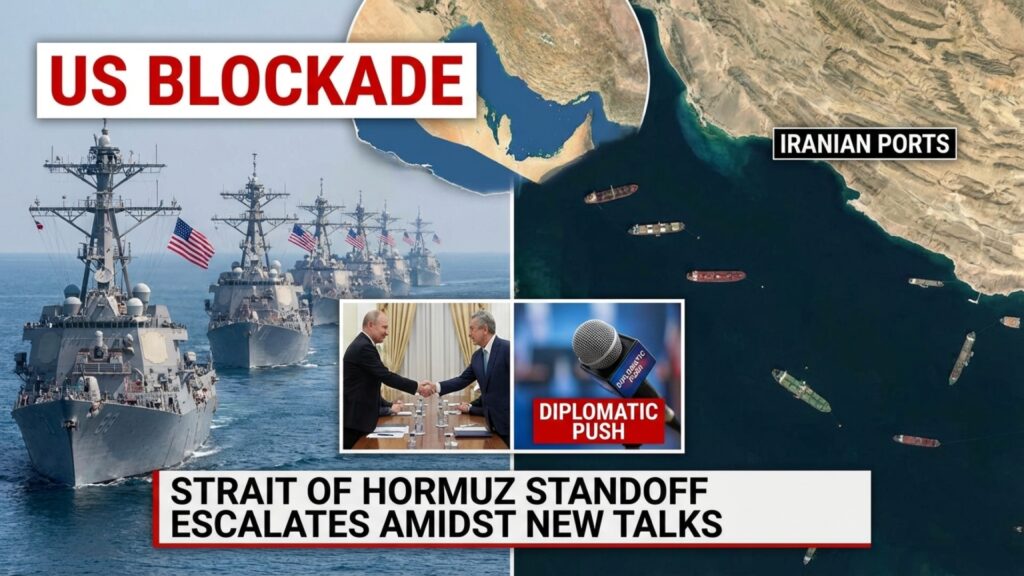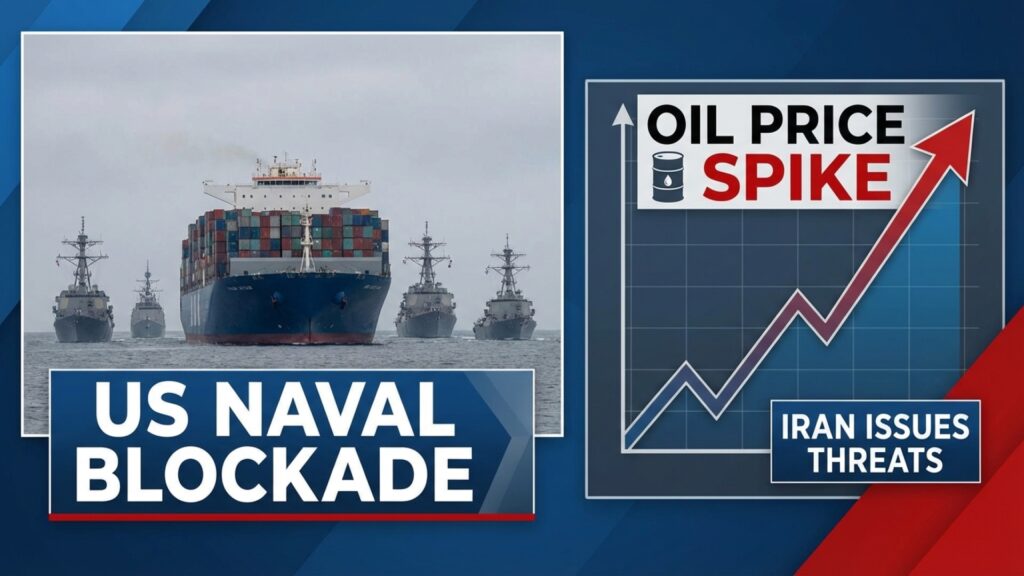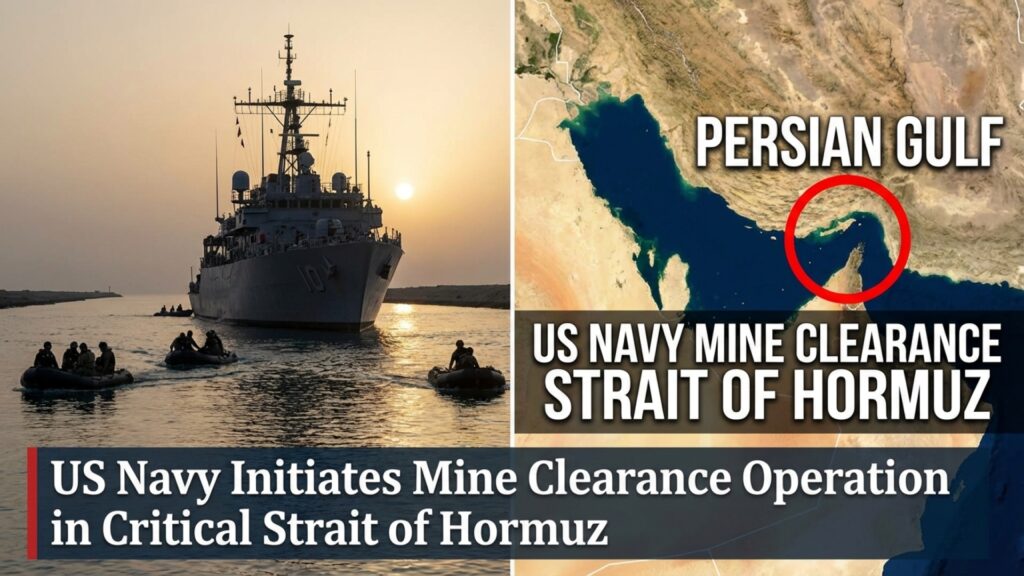
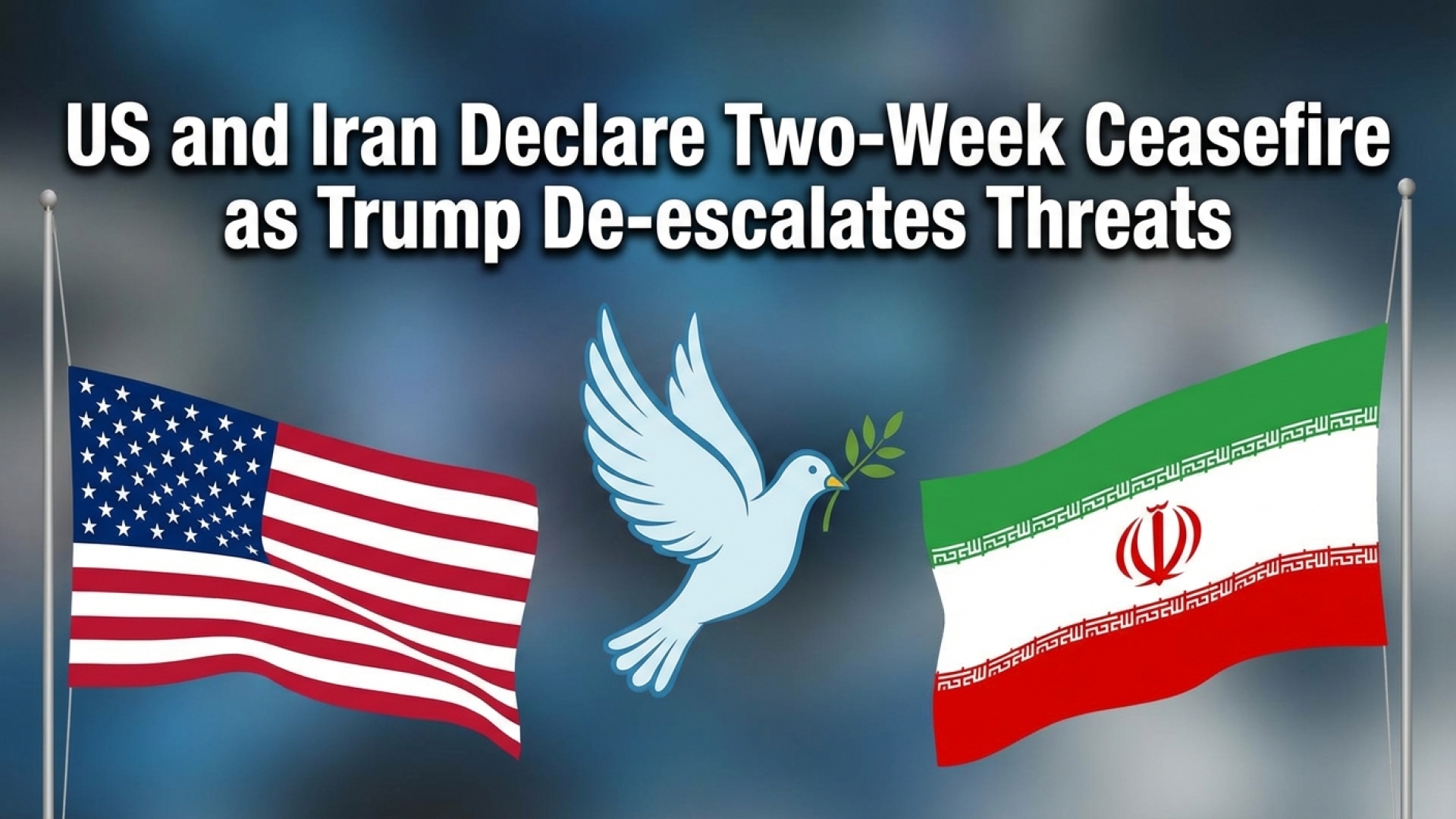
In a dramatic shift of rhetoric that has sent ripples through both international diplomatic circles and the local economy here in Western New York, U.S. President Donald Trump has pulled back on his threats to launch devastating strikes on Iran. This de-escalation follows an eleventh-hour agreement on a two-week ceasefire, which includes the critical reopening of the Strait of Hormuz—a move essential for stabilizing global energy markets and cooling domestic inflation concerns.
The decision to halt military action came less than two hours before a self-imposed deadline. Trump had previously threatened to target Iranian infrastructure, including power plants and bridges, in a move he warned could destroy Iranian “civilization.” The current cooling of tensions provides a brief window for high-stakes diplomacy mediated by Pakistan.
Ceasefire Framework and Diplomatic Friction
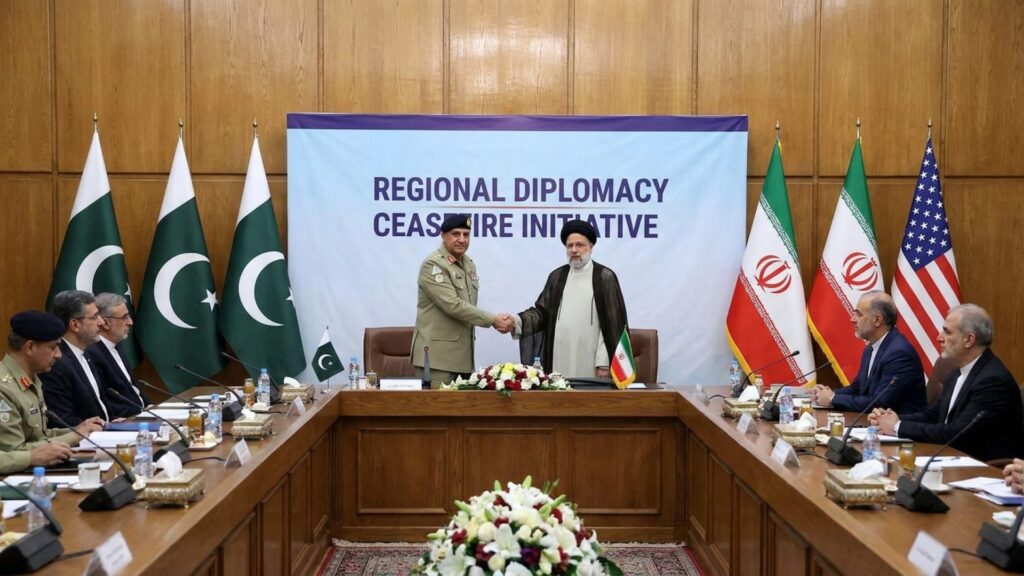
Iran’s Supreme National Security Council has formally accepted the ceasefire, with negotiations slated to begin in Pakistan this Friday. While the diplomatic path is open, the process remains fraught with inconsistencies. Iranian officials released conflicting versions of a 10-point negotiation plan; the Farsi version notably included “acceptance of enrichment” for its nuclear program—a clause missing from English translations. President Trump initially described the plan as “workable” before later branding it “fraudulent,” reinforcing his stance that the total dismantling of Iran’s nuclear program remains the administration’s primary objective.
Israeli Prime Minister Benjamin Netanyahu confirmed Israel’s support for the U.S.-led ceasefire, provided the Strait of Hormuz remains open and Iranian-backed aggression ceases. However, Netanyahu clarified that this agreement does not extend to the ongoing conflict with Hezbollah in Lebanon, where hostilities continue despite the broader regional pause.
Strategic Control of the Strait of Hormuz
A central pillar of the ceasefire is the management of the Strait of Hormuz, the world’s most important oil transit chokepoint. Iranian Foreign Minister Abbas Araghchi stated that while passage will be permitted, it will remain under Iranian military oversight. Regional officials suggest the current plan allows Iran and Oman to impose transit fees, with Tehran reportedly earmarking its share for reconstruction efforts.
Beyond the waterway, Iran’s demands for a permanent end to the conflict remain steep, including the total withdrawal of U.S. combat forces from the Middle East, the lifting of international sanctions, and the release of frozen national assets.
Human and Economic Toll of the Conflict
The conflict has exacted a staggering toll on human life and infrastructure across the region. As an investigative reporter covering these dynamics, it is clear that while the headlines focus on the ceasefire, the ground reality remains volatile. Below is a breakdown of the reported casualties since the onset of this recent escalation:
| Region/Group | Estimated Casualties | Displacement/Notes |
|---|---|---|
| Iran | 1,900+ | Significant infrastructure damage to Kharg Island |
| Lebanon | 1,500+ | Over 1 million people displaced |
| Israel | 23 (Civilian), 11 (Military) | Ongoing alerts in major metropolitan areas |
| United States | 13 Service Members | Casualties resulting from regional strikes |
| Gulf Arab States & West Bank | 24+ | Impact on regional stability and trade |
Persistent Instability Amidst Peace Talks
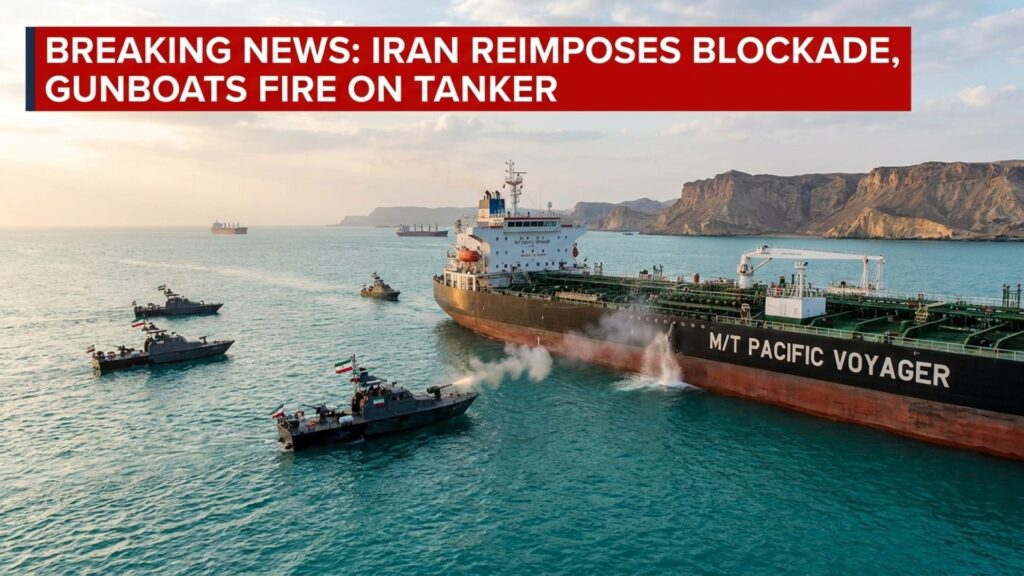
Despite the ceasefire announcement, the situation remains precarious. Early Wednesday, missile alerts were active across the United Arab Emirates, Saudi Arabia, and Kuwait. Reports emerged of a gas processing facility in Abu Dhabi catching fire following Iranian strikes. While a U.S. official confirmed that offensive operations have been halted in favor of defensive postures, the “shadow war” between Israel and Iran continues with reported strikes on petrochemical sites in Shiraz.
The international community, including China—Iran’s largest trade partner—has applied significant pressure on Tehran to maintain the ceasefire. For residents in Western New York, the reopening of the Strait of Hormuz is the most critical takeaway, as any prolonged closure would inevitably lead to a spike in local energy costs and supply chain disruptions.
Lake Erie Times will continue to monitor these developments and their impact on our community and the global stage.
About the Author: William Strasmore is a dedicated news reporter for the Lake Erie Times, specializing in investigative journalism and regional political analysis. With a commitment to accuracy and integrity, William covers local and global issues that shape the Western New York landscape. For more in-depth reporting, visit William’s author page.
Disclaimer: The content provided by Lake Erie Times is for informational purposes only and should not be considered as professional legal or financial advice. Some links on Lake Erie Times are affiliate links. This means that if you make a purchase through these links, we may earn a commission at no additional cost to you.