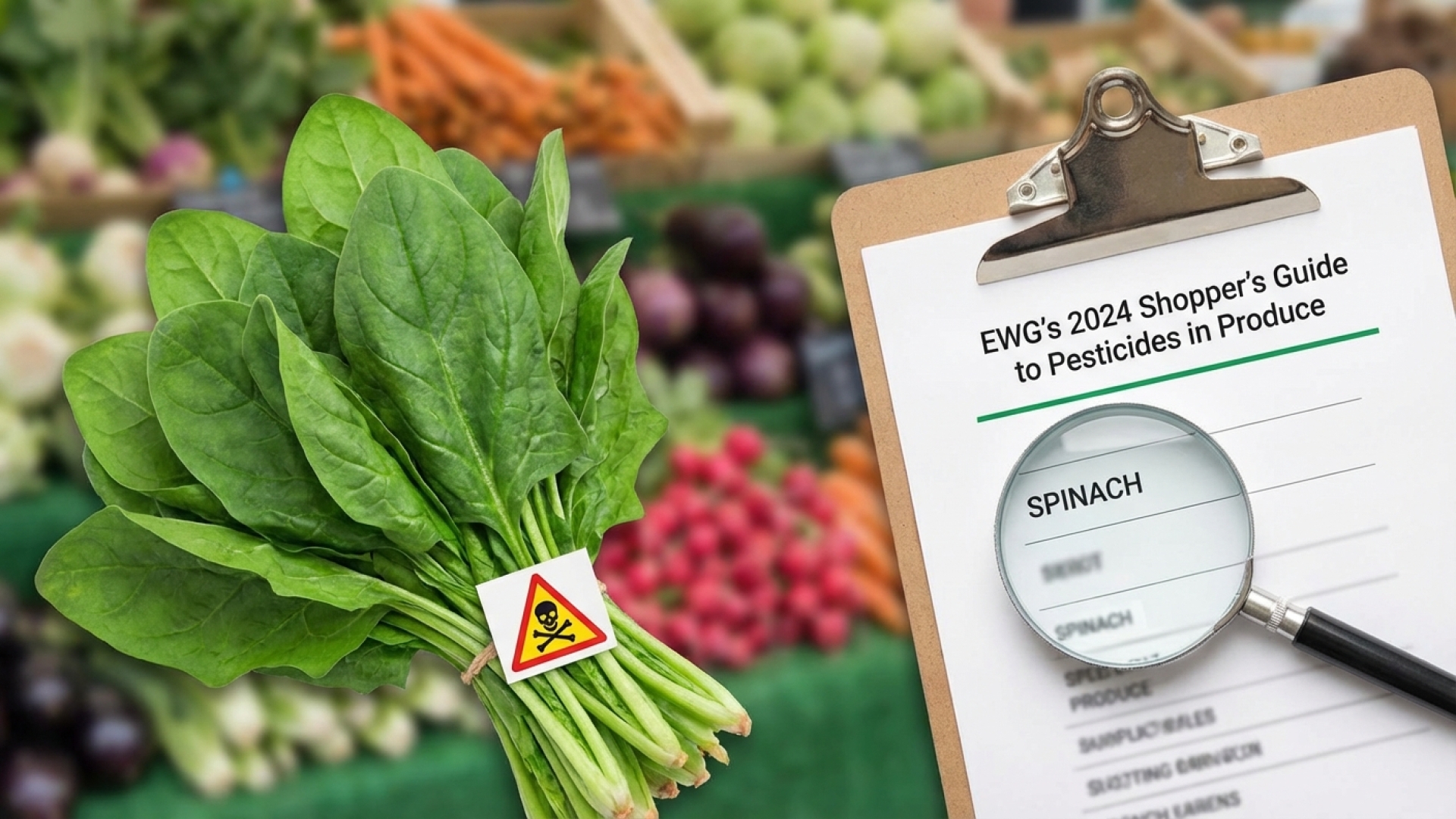
As families across Buffalo and Western New York head to local staples like Wegmans or the Clinton-Bailey Farmers Market, a new report serves as a stark reminder to look closely at what’s in the produce aisle. Spinach, a staple in many health-conscious diets, has once again topped the “Dirty Dozen” list, an annual ranking of produce with the highest levels of pesticide contamination.
The findings, released by the Environmental Working Group (EWG), highlight a growing concern for consumers in our region regarding the intersection of industrial agriculture and public health. For Western New Yorkers, where local farming is a pillar of the community, understanding these rankings is essential for making informed choices at the checkout counter.
Analyzing the EWG’s Shopper’s Guide
The EWG’s latest analysis is based on nearly 55,000 samples of 47 different fruits and vegetables tested by the U.S. Department of Agriculture (USDA). The results are troubling: roughly 75% of all conventional, non-organic produce sold in the U.S. contained residues of potentially harmful pesticides. In total, researchers identified 264 distinct chemicals and their breakdown products.
Perhaps most concerning for Lake Erie Times readers is the increasing detection of PFAS (Per- and polyfluoroalkyl substances). These “forever chemicals” were found in more than one-third of the samples tested. Specifically, 31 known pesticides containing these persistent compounds are still frequently used in conventional farming practices.
Produce Rankings: The 2024 Pesticide Report
To help residents navigate their grocery trips, the following table summarizes the EWG’s findings for the current year. Items on the “Dirty Dozen” represent the highest risk of exposure, while the “Clean Fifteen” represent produce with the lowest detectable levels of pesticides.
| The Dirty Dozen (Avoid Conventional) | The Clean Fifteen (Safer Conventional) |
|---|---|
| 1. Spinach | 1. Avocados |
| 2. Kale, Collard & Mustard Greens | 2. Sweet Corn (Fresh & Frozen) |
| 3. Strawberries | 3. Pineapple |
| 4. Grapes | 4. Onions |
| 5. Peaches | 5. Papaya |
| 6. Pears | 6. Sweet Peas (Frozen) |
| 7. Nectarines | 7. Asparagus |
| 8. Apples | 8. Melon |
| 9. Bell & Hot Peppers | 9. Kiwi |
| 10. Cherries | 10. Cabbage |
| 11. Blueberries | 11. Mushrooms |
| 12. Potatoes | 12. Mangoes, Sweet Potatoes, Carrots |
The Impact of PFAS ‘Forever Chemicals’
For those of us in the Great Lakes region, the term “PFAS” is often associated with water quality. However, its presence in the food supply is equally critical. These manufactured chemicals, used since the 1940s, do not break down naturally in the environment or the human body.
Medical research suggests that long-term exposure to forever chemicals can lead to significant health complications, including increased risks of certain cancers, reduced fertility, and developmental issues in children. Their inclusion in pesticide formulas means they are not just on the surface of the food, but often integrated into the soil and water used to grow them.
Local Tips for Informed Shopping
While the data may seem daunting, the goal is informed consumption rather than avoidance of healthy foods. The Lake Erie Times recommends several strategies for Western New York shoppers to minimize their exposure:
- Prioritize Organic: When buying items like spinach, kale, or strawberries, choose organic produce whenever your budget allows.
- Shop Local: Visit WNY farmers’ markets and ask growers about their pesticide use. Many local farms follow organic practices even if they aren’t officially certified.
- Wash Thoroughly: While it won’t remove PFAS absorbed into the plant, scrubbing fruits and vegetables under cold water can reduce surface residues.
- Utilize the Clean Fifteen: For items like avocados and onions, conventional options remain a safe and cost-effective choice.
For more information on health and community wellness in Buffalo, visit our Community section or explore our Lifestyle updates. You can also view the full detailed report by visiting the EWG’s official website.
Disclaimer: The content provided by Lake Erie Times is for informational purposes only and should not be considered as professional medical or financial advice. Some links may be affiliate links; we may earn a commission at no additional cost to you based on our commitment to quality journalism.