Diplomatic Deadlock: The US Proposal vs. Iranian Demands
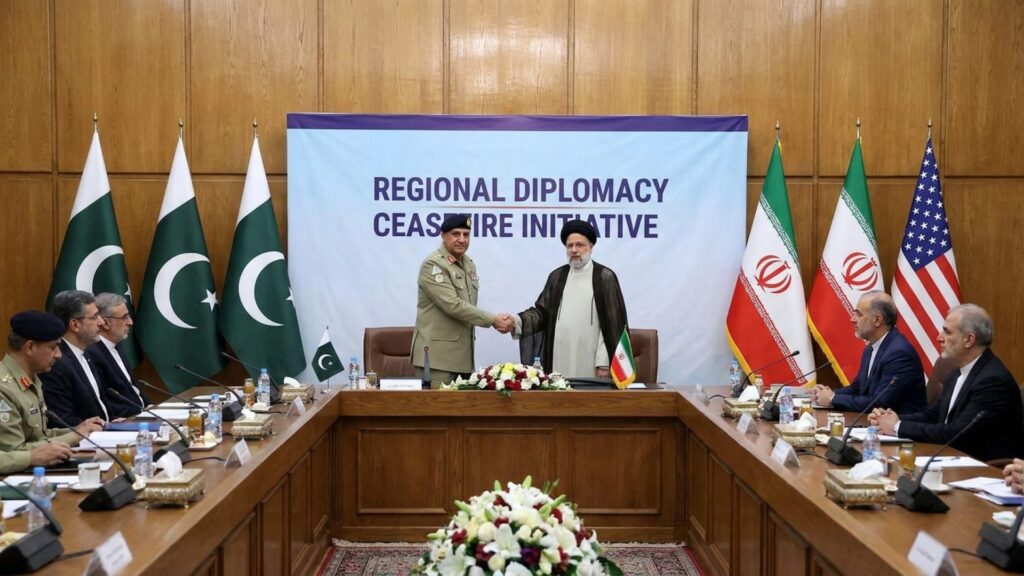
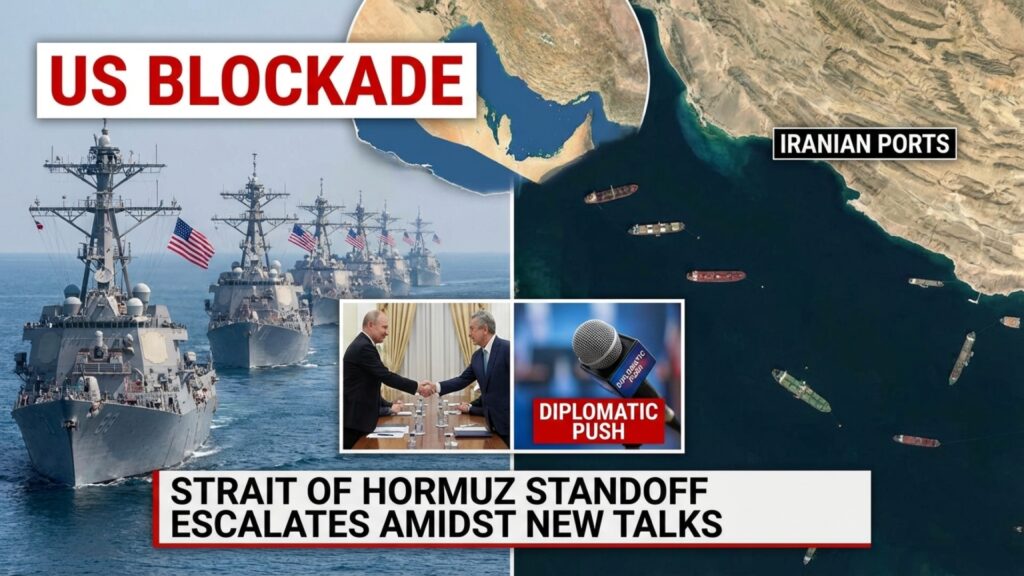
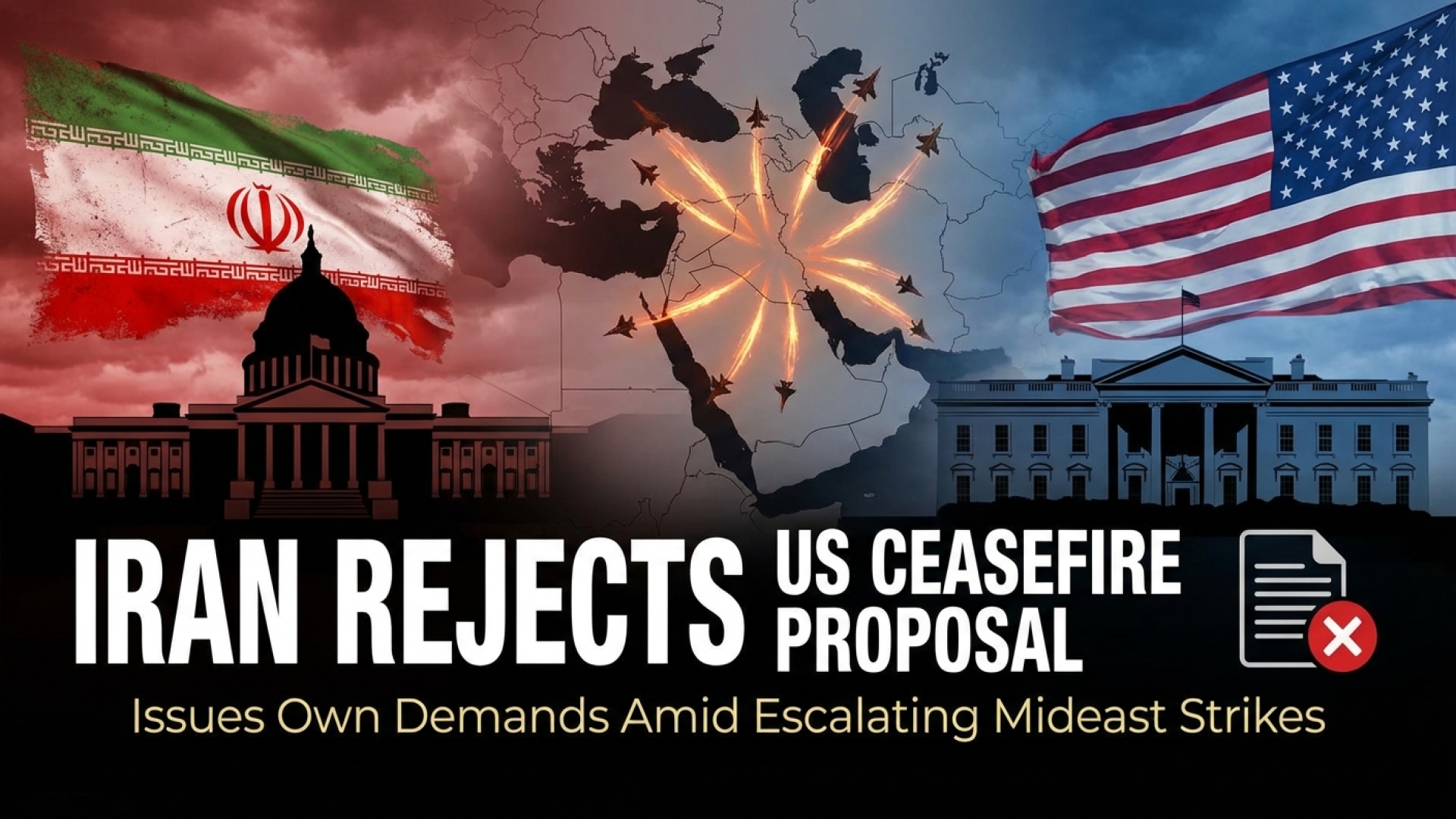
Iranian Foreign Minister Abbas Araghchi confirmed that his government has not engaged in negotiations, countering White House claims of “productive” discussions. The 15-point American plan, delivered via Pakistani intermediaries, sought a comprehensive rollback of Iran’s nuclear program, missile limitations, and the reopening of the Strait of Hormuz in exchange for sanctions relief. In a counter-move, Tehran issued its own five-point list of requirements. These include reparations for war damages, an immediate end to the killings of Iranian officials, and a demand for total sovereignty over the Strait of Hormuz. While the U.S. continues to push for a diplomatic off-ramp, Iranian state television quoted an official stating, “Iran will end the war when it decides to do so and when its own conditions are met.”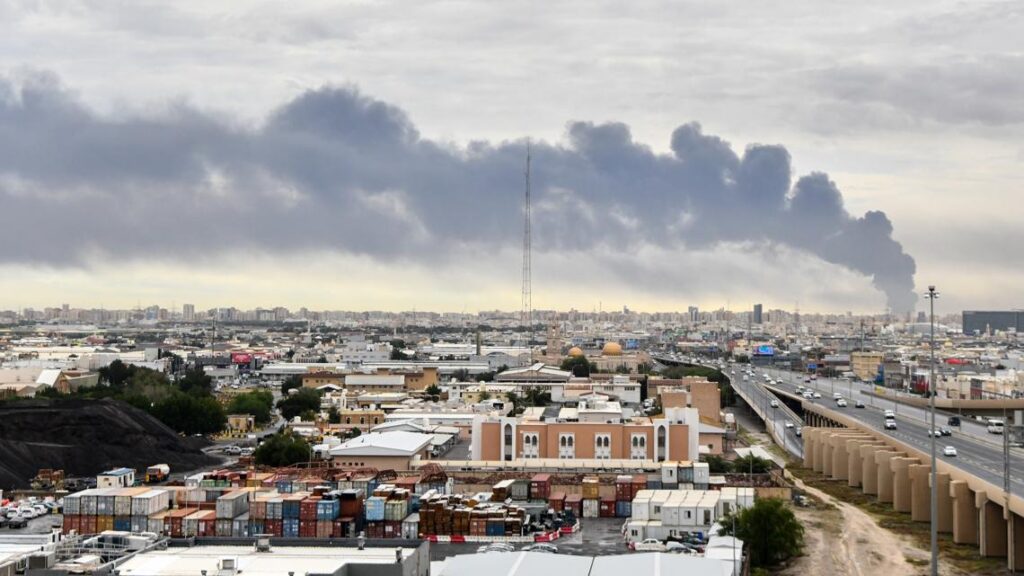
Military Escalation and US Troop Movements
As diplomacy falters, the regional military footprint is expanding. Israel has conducted waves of strikes in Tehran and targeted a submarine development facility in Isfahan. Simultaneously, the U.S. is bolstering its presence, deploying 1,000 troops from the 82nd Airborne Division, along with 5,000 Marines and thousands of sailors to the region. The conflict has also spilled into neighboring Gulf states. Saudi Arabia reported intercepting eight drones in its oil-rich Eastern Province, while missile sirens were activated in Bahrain. Kuwaiti officials confirmed that while most incoming drones were neutralized, one successfully struck a fuel tank at Kuwait International Airport, sparking a significant fire.Economic Impact: From the Strait of Hormuz to Western New York
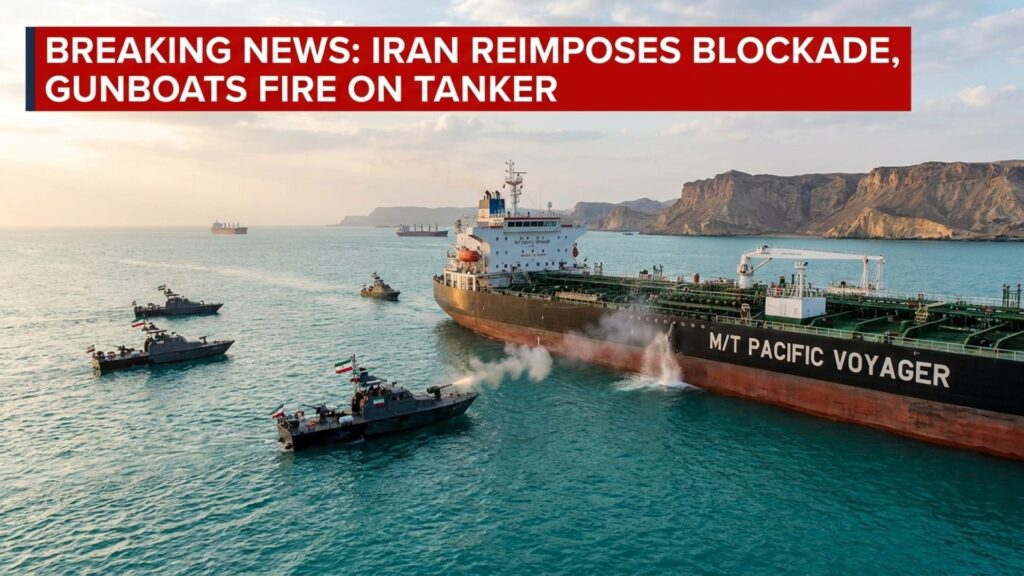
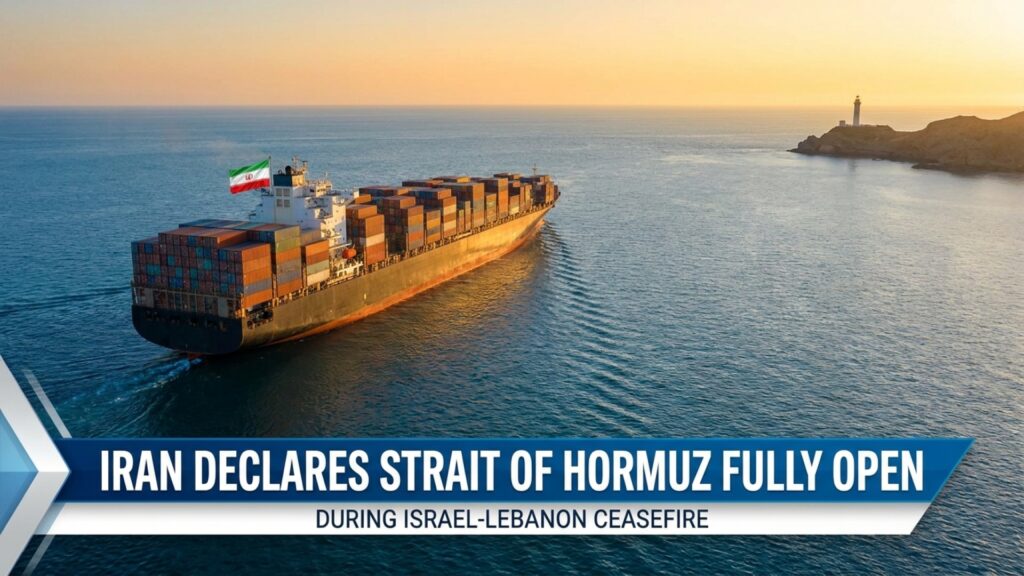
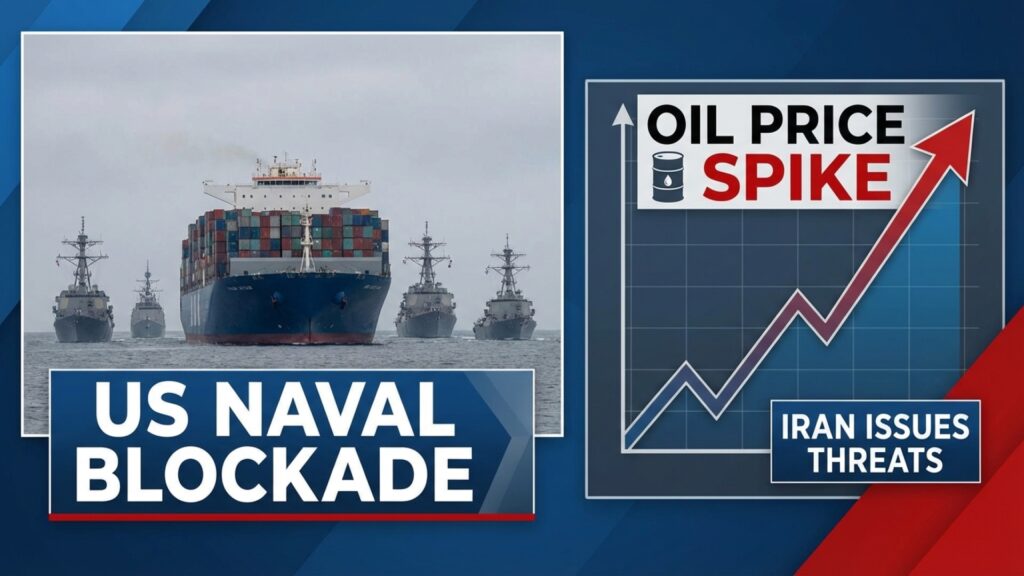
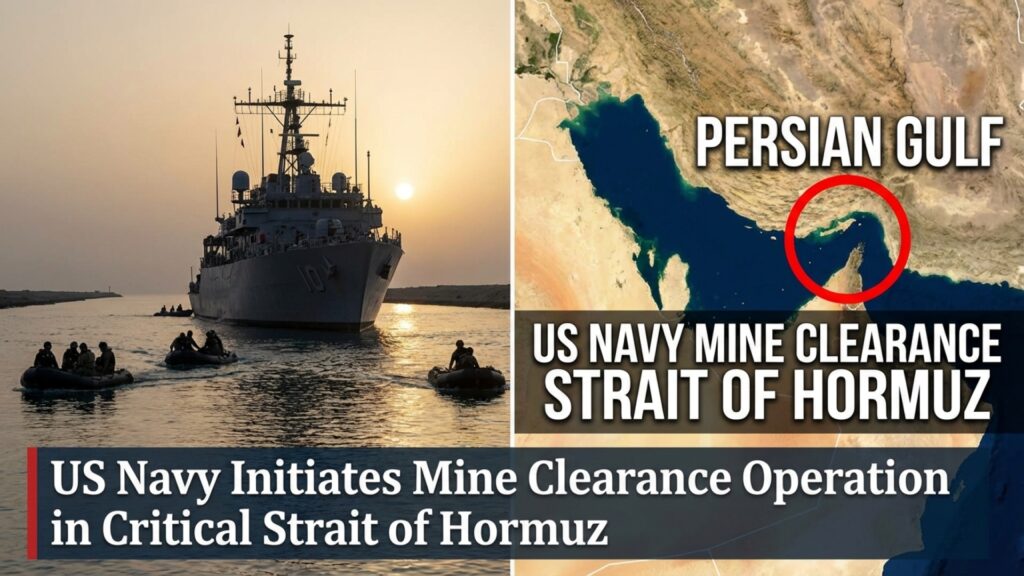
For residents in Buffalo and the broader Western New York region, the conflict’s most immediate impact is felt at the gas pump and in global shipping lanes. With Brent crude trading near $100 a barrel—a 35% increase since the conflict began—economists warn of a ripple effect. This volatility could lead to higher costs for food, home heating, and transportation. A recent AP-NORC poll reflects growing domestic concern, showing that many Americans fear current military actions may lead to long-term economic instability. Iran’s current policy of restricting passage through the Strait of Hormuz to non-allied nations continues to bottleneck global energy markets, further complicating the economic outlook for the U.S. and its allies.Regional Toll: Reported Casualties
The human cost of the ongoing hostilities continues to climb across multiple fronts. Below is a breakdown of reported fatalities as the conflict enters its latest phase:| Region / Group | Reported Fatalities |
|---|---|
| Iran (Health Ministry data) | 1,500+ |
| Lebanon | ~1,100 |
| Iraq (Security Forces) | 80 |
| Israel (Civilians and Soldiers) | 22 |
| United States (Military Personnel) | 13 |
| West Bank & Gulf Arab States (Civilians) | 12+ |
Disclaimer: The content provided by Lake Erie Times is for informational purposes only and should not be considered as professional legal or financial advice.
Affiliate Disclaimer: Some links on Lake Erie Times are affiliate links. This means that if you make a purchase through these links, we may earn a commission at no additional cost to you. Our recommendations are based on careful research and our commitment to quality journalism.