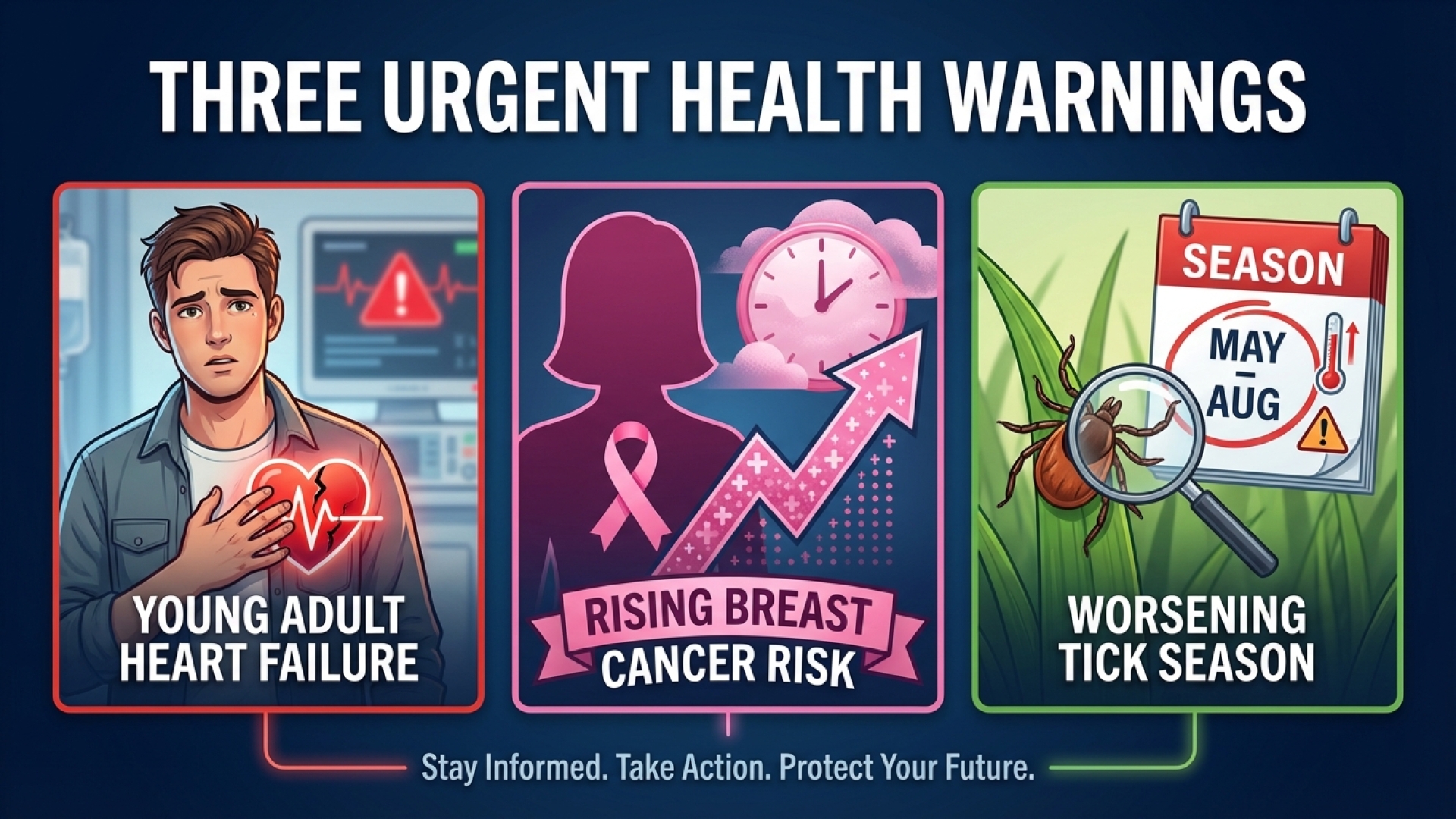
As Western New York transitions into the warmer months, health officials and medical researchers are tracking three critical trends that demand the attention of residents from Buffalo to the Southern Tier. From a surprising shift in cardiac health demographics to an alarming rise in specific cancer cases and the seasonal surge of pests, staying informed is the first step in proactive community wellness.
Heart Failure: A Growing Concern for Younger Western New Yorkers
The traditional image of a heart failure patient is changing. While many residents might associate cardiac issues with older age, new data suggests that younger adults are increasingly at risk. A recent survey from Orlando Health highlights a dangerous disconnect: only ten percent of participants indicated they would seek immediate medical attention for classic heart failure symptoms, often mistaking them for less severe ailments like stress or minor respiratory infections.
In our region, where lifestyle factors and underlying health conditions play a significant role, the “silent” progression of heart issues is a serious concern. Local health experts emphasize that symptoms such as chronic fatigue, persistent shortness of breath, or sudden bloating and weight gain should never be ignored. Known risk factors—including obesity, high blood pressure, and diabetes—are being diagnosed at younger ages, making it imperative for the Buffalo community to engage in regular screenings well before retirement.
Rising Breast Cancer Rates in AAPI Communities
While the overall narrative regarding breast cancer has been one of declining mortality rates, investigative data from the National Cancer Institute reveals a troubling disparity. Since 2000, breast cancer diagnoses among Asian American and Pacific Islander (AAPI) women under the age of 50 have surged by more than 50 percent.
This trend underscores the necessity of personalized healthcare and early intervention. For the diverse population of Western New York, understanding family history and maintaining open dialogue with primary care physicians is essential. When detected in its earliest stages, the five-year survival rate for breast cancer remains exceptionally high at nearly 99 percent, highlighting the life-saving power of timely imaging and screenings.
The Regional Tick Surge: What You Need to Know
With the mild winters and humid springs common to the Lake Erie region, tick populations are expanding at an unprecedented rate. Researchers at the Johns Hopkins Bloomberg School of Public Health noted a 30 percent increase in emergency room visits for tick-related illnesses last May, a figure that serves as a warning for local hikers and outdoor enthusiasts.
Vigilance is paramount when visiting local parks or even spending time in your own backyard. Experts recommend using EPA-registered bug sprays and wearing permethrin-treated clothing. After spending time outdoors, performing a thorough body check and taking a hot shower can significantly reduce the risk of a tick successfully attaching.
| Condition | Key Warning Signs & Symptoms | Action Step |
|---|---|---|
| Heart Failure | Unexplained fatigue, shortness of breath, bloating, rapid weight gain. | Consult a cardiologist or primary doctor immediately. |
| Breast Cancer | New lumps, skin changes, or persistent pain in breast tissue. | Schedule a clinical exam and discuss early screening options. |
| Tick-Borne Illness | Fever, “bullseye” rash, muscle aches, and joint pain. | Seek medical care if symptoms appear 3-30 days after a bite. |
If you discover an attached tick, remove it using fine-tipped tweezers by pulling upward with steady, even pressure. Monitoring for symptoms like fever or a rash is critical, as these signs may not manifest for several weeks following exposure. For more updates on health and safety in Buffalo and the surrounding areas, stay connected with the Lake Erie Times community section.
Disclaimer: The content provided by Lake Erie Times is for informational purposes only and should not be considered as professional medical, legal, or financial advice. Affiliate Disclaimer: Some links on Lake Erie Times may be affiliate links. If you make a purchase through these links, we may earn a commission at no additional cost to you.