If your allergy symptoms are feeling significantly worse this year, you aren’t alone. For residents across Western New York and the Lake Erie region, the sneezing, congestion, and itchy eyes are becoming a longer-lasting reality rather than a brief seasonal annoyance.
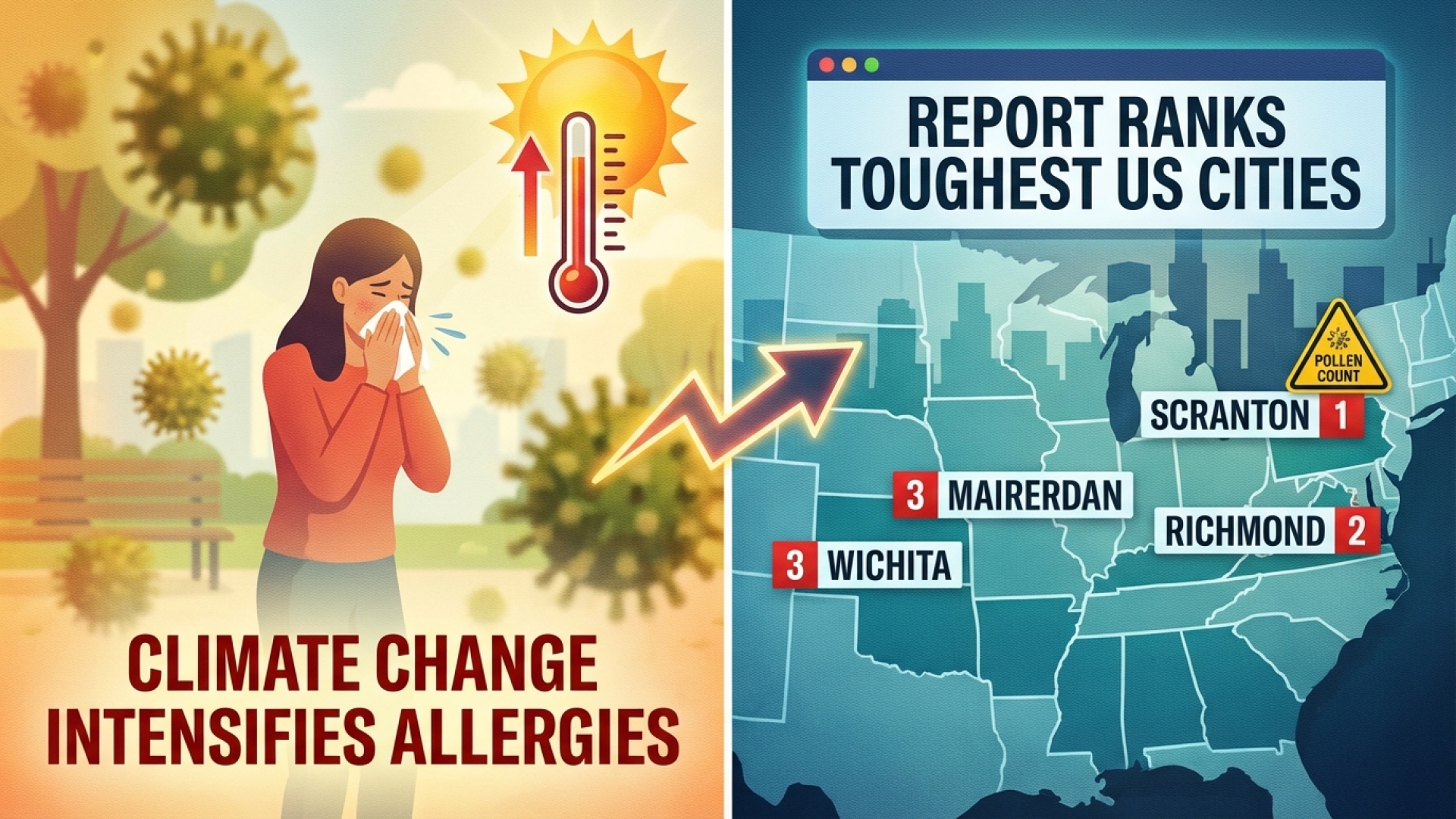
A new report from the Asthma and Allergy Foundation of America (AAFA) confirms what many in our community have suspected: pollen seasons are becoming longer and more intense. The study indicates that climate change is a primary driver, fueling stronger and more frequent allergy seasons across the United States, including high-impact areas in the Northeast.
Western New York Under the Pollen Microscope
The AAFA’s 2026 Allergy Capitals report ranks the 100 largest metropolitan areas in the contiguous U.S. to determine where it is most difficult to live with pollen allergies. For those of us in the Western New York local news beat, one ranking stands out: Rochester, New York, has been named the 5th toughest city in the nation for allergy sufferers.
The rankings are calculated based on three critical factors: recorded levels of tree, grass, and weed pollen; the volume of over-the-counter allergy medicine use; and local access to board-certified allergists. The combination of Buffalo and Rochester’s unique Great Lakes climate—characterized by periods of intense rain followed by heat—creates a “perfect storm” for pollen spikes.
Why Allergy Seasons are Expanding
According to the AAFA, more than 106 million people in the U.S. are currently managing allergies or asthma. Our investigative look into regional dynamics shows that warmer-than-average winters in the Lake Erie region are allowing plants to pollinate earlier and stay active longer. Intense rainstorms, common in our local weather patterns, can also rupture pollen grains into smaller pieces, making them easier to inhale and more likely to trigger severe reactions.
Strategies for Managing Your Symptoms
While we cannot control the environment, the Lake Erie Times is committed to helping our community stay informed. To mitigate the impact of seasonal triggers, the AAFA suggests the following lifestyle adjustments:
- Monitor Local Forecasts: Regularly check daily pollen counts before planning outdoor activities.
- Control Your Environment: Keep windows closed during peak pollen hours and use high-efficiency HEPA filters in your home.
- Nightly Hygiene: Shower before bed to ensure pollen is removed from your hair and skin, preventing it from transferring to your bedding.
- Proactive Medication: Start taking allergy medications at least two weeks before the typical start of the season to build a biological barrier.
- Saline Rinses: Use distilled water or saline sprays to clear nasal passages after spending time outdoors.
Top 20 Toughest Cities for Allergy Sufferers (2026 Rankings)
The following table illustrates the metropolitan areas where pollen activity and lack of access to care have created the most challenging environments for residents.
| Rank | City | Primary Concern |
|---|---|---|
| 1 | Boise, ID | High Pollen Counts |
| 2 | San Diego, CA | Year-round Activity |
| 3 | Tulsa, OK | Weed Pollen Intensity |
| 4 | Provo, UT | Grass Pollen Spikes |
| 5 | Rochester, NY | Tree Pollen & Medication Use |
| 6 | Wichita, KS | Wind-driven Exposure |
| 7 | Raleigh, NC | Pine & Oak Pollen |
| 8 | Ogden, UT | Geographic Trapping |
| 9 | Spokane, WA | Tree Pollen Diversity |
| 10 | Greenville, SC | Early Season Onset |
| 11 | San Francisco, CA | High OTC Dependency |
| 12 | Minneapolis, MN | Intense Weed Season |
| 13 | Salt Lake City, UT | High Pollen Concentrations |
| 14 | Richmond, VA | Limited Specialist Access |
| 15 | Colorado Springs, CO | Dry Air & Dust Irritants |
| 16 | Little Rock, AR | Humidity-driven Pollen |
| 17 | Toledo, OH | Great Lakes Moisture Impact |
| 18 | New Orleans, LA | Year-round Mold & Pollen |
| 19 | Winston-Salem, NC | High Grass Pollen |
| 20 | Lakeland, FL | Long Growing Season |
While these rankings are based on historical data, the overarching trend observed by regional experts suggests that the Lake Erie region must prepare for a future where allergy seasons are the rule rather than the exception. For more updates on how local environmental changes affect your health, stay tuned to our community coverage.
Disclaimer: The content provided by Lake Erie Times is for informational purposes only and should not be considered as professional medical, legal, or financial advice. Always consult with a healthcare professional regarding allergy treatments.
Affiliate Disclosure: Some links on Lake Erie Times are affiliate links. This means that if you make a purchase through these links, we may earn a commission at no additional cost to you. Our recommendations are based on careful research and our commitment to quality journalism.