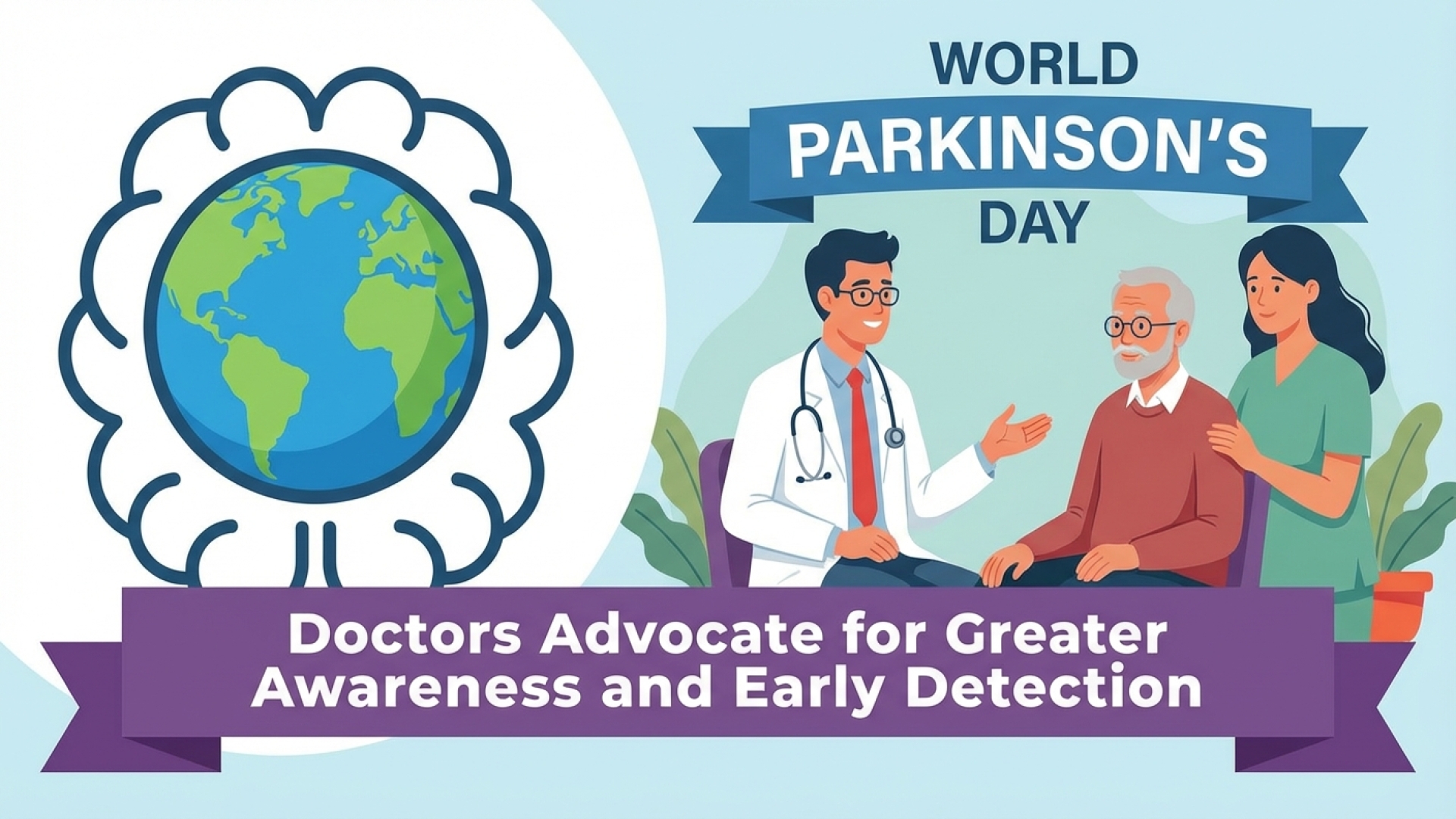
As Western New York marks World Parkinson’s Day, local health officials and medical researchers are emphasizing the critical need for early detection and community education. With hundreds of thousands of Americans currently diagnosed, and many more living with the condition unknowingly, the push for awareness has never been more urgent for the Buffalo region.
Dr. Jonathan Riley, an assistant professor and medical director of functional neurosurgery at the University at Buffalo, is at the forefront of this effort. Speaking on the local impact of the disorder, Riley noted that the prevalence of the disease is climbing alongside an aging population. “It’s a growing problem in an ever-larger number of patients,” Riley stated, highlighting the strain on regional healthcare resources.
Understanding the Local and National Impact
Parkinson’s disease stands as the second-most common neurodegenerative condition in the United States. While the National Institutes of Health (NIH) officially recognizes approximately 500,000 diagnosed cases, federal health officials suggest the true figure—including those misdiagnosed or undiagnosed—is closer to 1 million. Current projections indicate these numbers will likely double by 2040.
For residents in the Western New York community, these statistics represent a call to action. Despite the rising numbers, medical professionals face significant hurdles in outreach. Dr. Riley acknowledged that current engagement strategies, while active, are not yet reaching everyone in need of information or support.
Recognizing Early Warning Signs
One of the primary challenges in managing Parkinson’s is the subtle nature of its onset. Symptoms often develop gradually and can be easily dismissed as natural signs of aging. However, recognizing these indicators early can significantly improve a patient’s long-term quality of life.
The following table outlines common early indicators that residents and caregivers should monitor:
| Symptom Category | Common Early Indicators |
|---|---|
| Communication | Noticeably quieter voice or softened speech patterns. |
| Motor Skills | Stiffness when walking or smaller, cramped handwriting (micrographia). |
| Involuntary Movement | Slight tremors in the hands or fingers, often noticed during rest. |
| Physical Expression | Decreased facial expressions or a “masked” appearance. |
Dr. Riley pointed out that family members are often the first to notice these changes, such as a slight, uncharacteristic hand movement while a loved one is relaxing. Because these symptoms progress slowly, a proactive approach to medical consultation is vital.
Seeking Specialist Care in Buffalo
If you or a loved one observes these symptoms, the Lake Erie Times recommends initiating a conversation with a primary care physician. Early intervention is the cornerstone of effective management. If concerns persist after an initial check-up, requesting a referral to a neurologist for a specialized assessment is a necessary next step.
“It’s one of those things that deserves a conversation,” Riley stressed. In local news for the medical community, the diagnostic process is becoming more streamlined as awareness grows among general practitioners in the Buffalo Niagara region.
Advances in Treatment Offer New Hope
While a definitive cure remains elusive, the landscape of Parkinson’s treatment is evolving rapidly, particularly here in Western New York. Dr. Riley highlighted that the University at Buffalo and associated medical centers are preparing for the introduction of groundbreaking surgical therapies within the next six months.
These innovative procedures allow surgeons to interact with specific targets in the brain without the need for traditional incisions. Such advancements represent a significant leap forward in reducing recovery times and improving patient outcomes. Ongoing research continues to focus not only on symptom management but also on slowing the overall progression of the disease.
The Path Forward
The future of Parkinson’s care in Western New York is defined by a combination of high-tech innovation and grassroots awareness. As medical professionals continue to uncover breakthroughs, the responsibility remains with the community to stay informed and vigilant. Continuous public awareness and support for local research initiatives are essential to improving the lives of those affected by this complex neurological condition.
For more updates on health and wellness in the region, visit our Lifestyle section.
Disclaimer: The content provided by Lake Erie Times is for informational purposes only and should not be considered as professional medical, legal, or financial advice. Always seek the advice of your physician or other qualified health provider with any questions you may have regarding a medical condition.