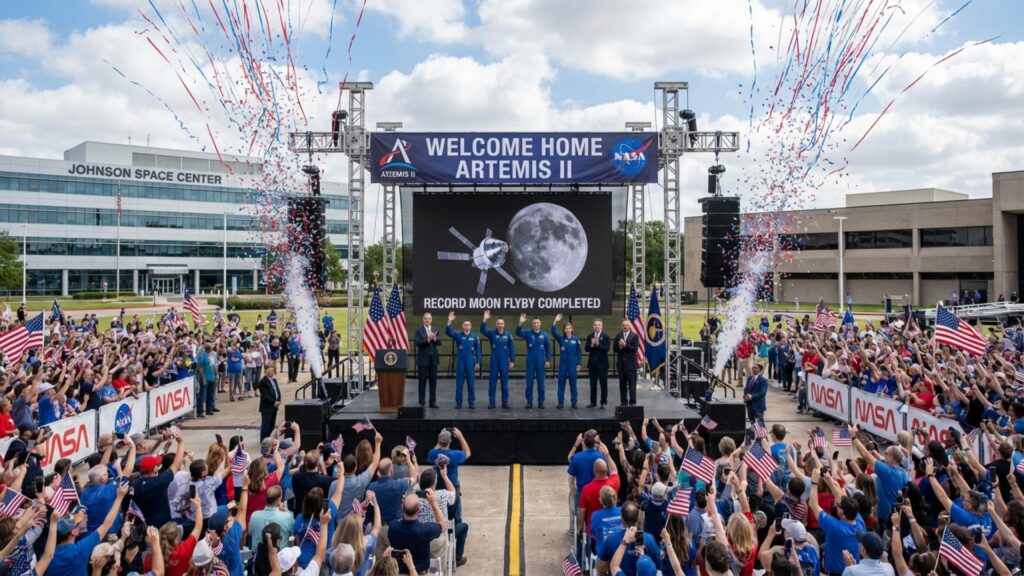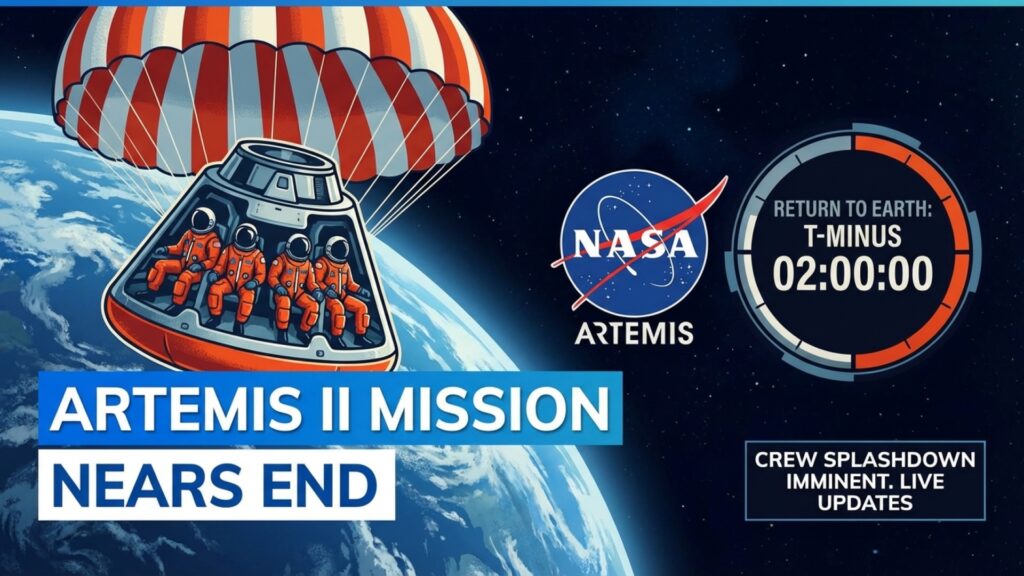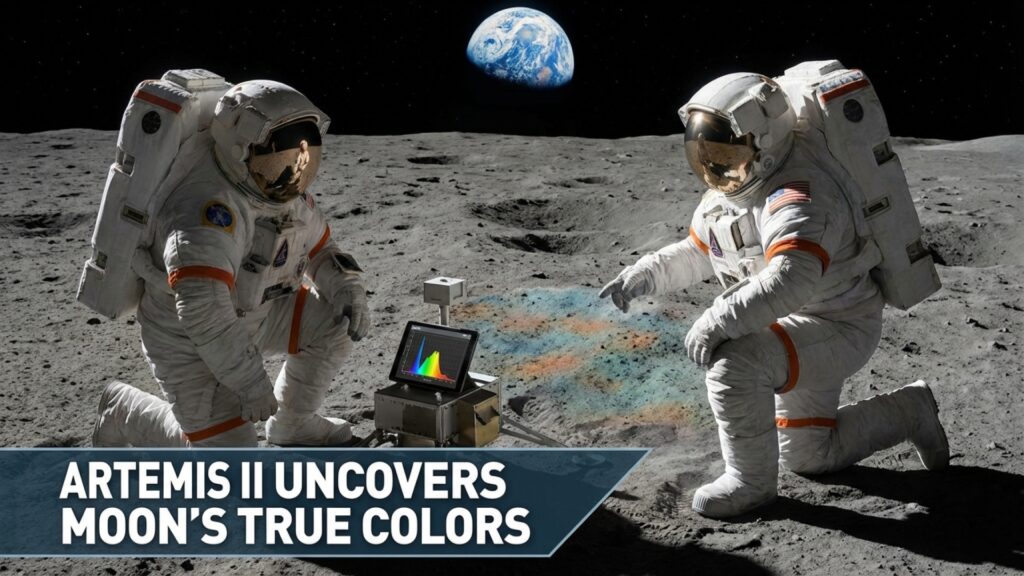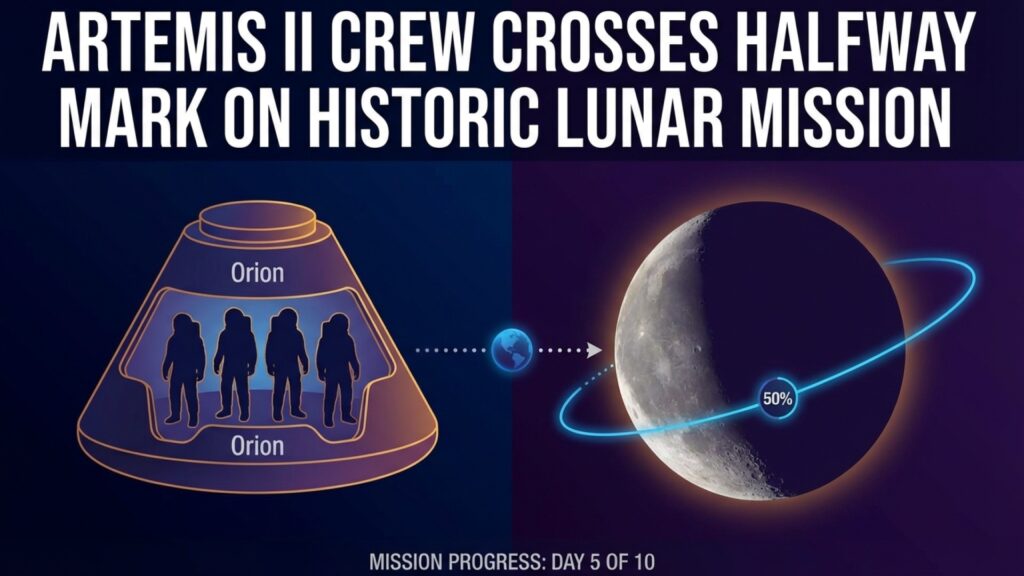
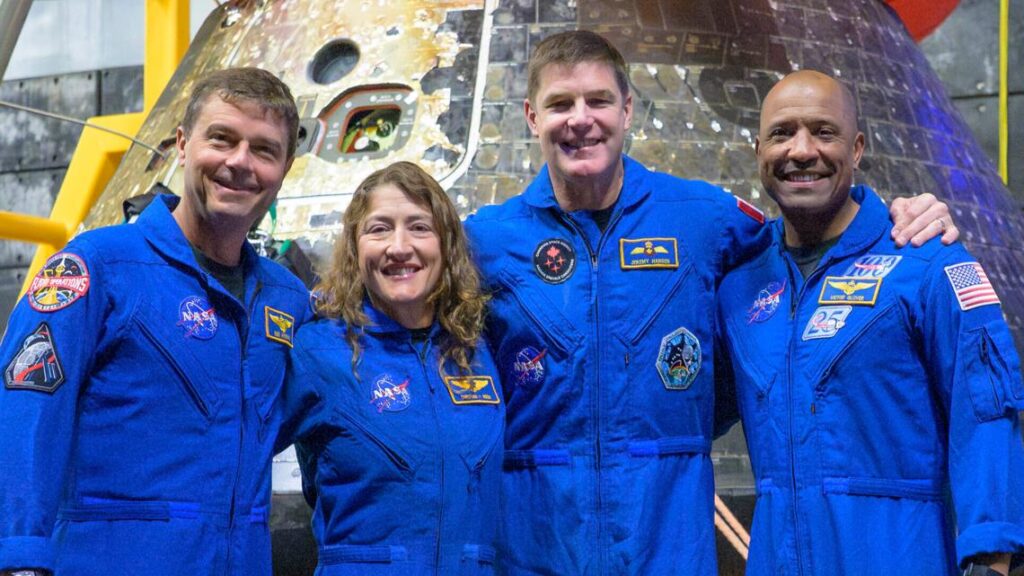
Following the triumphant success of the Artemis II mission, NASA and the global scientific community are pivoting toward the next ambitious chapters of lunar exploration. With the first lunar travelers in more than half a century—Commander Reid Wiseman, pilot Victor Glover, Christina Koch, and Canada’s Jeremy Hansen—safely back in Houston, the space agency is accelerating plans for Artemis III and the establishment of a long-term human presence on the lunar surface.
“To people all around the world who look up and dream about what is possible, the long wait is over,” NASA Administrator Jared Isaacman declared during a recent homecoming celebration. The momentum from Artemis II has catalyzed a roadmap that aims to transform the Moon from a destination into a sustained base for operations, a vision that resonates deeply here in Western New York, where aerospace contributors like Moog Inc. in East Aurora have historically played vital roles in flight control systems for NASA’s most critical missions.
Artemis III: A Critical Strategic Pivot
Slated for 2027, Artemis III will function as a vital risk-reduction mission, drawing parallels to the 1969 Apollo 9 mission. Rather than immediately touching down, astronauts will practice docking their Orion capsule with commercial lunar landers within Earth’s orbit. This phase is essential for testing the complex maneuvers required for deep-space transport before crews venture to the lunar South Pole.
The business of space exploration has never been more competitive. Industry giants SpaceX and Blue Origin are currently engaged in a high-stakes race to perfect these landers, with Elon Musk’s Starship and Jeff Bezos’ Blue Moon leading the technical charge. These commercial partnerships represent a shift in how NASA approaches infrastructure, relying on private sector innovation to reduce costs and increase mission frequency.
Mission Timeline: The Journey to the South Pole
The current roadmap for the Artemis program outlines a rapid succession of milestones aimed at securing a foothold in the lunar polar regions:
| Mission | Target Date | Primary Objectives |
|---|---|---|
| Artemis III | 2027 | Testing SpaceX and Blue Origin landers in low-Earth orbit; docking maneuvers. |
| Artemis IV | Early 2028 | Crewed transition from Orion to lander in lunar orbit; first South Pole landing. |
| Artemis V | Late 2028 | Utilizing standard Space Launch System (SLS) for sustained surface missions. |
The decision to target the Moon’s South Pole is driven by the presence of ice within permanently shadowed craters. This ice is more than just a scientific curiosity; it is a critical resource that can be processed into oxygen and rocket fuel. Establishing a “gas station” in space is considered the holy grail for extending the reach of human exploration.
The $30 Billion Blueprint for a Lunar Habitat
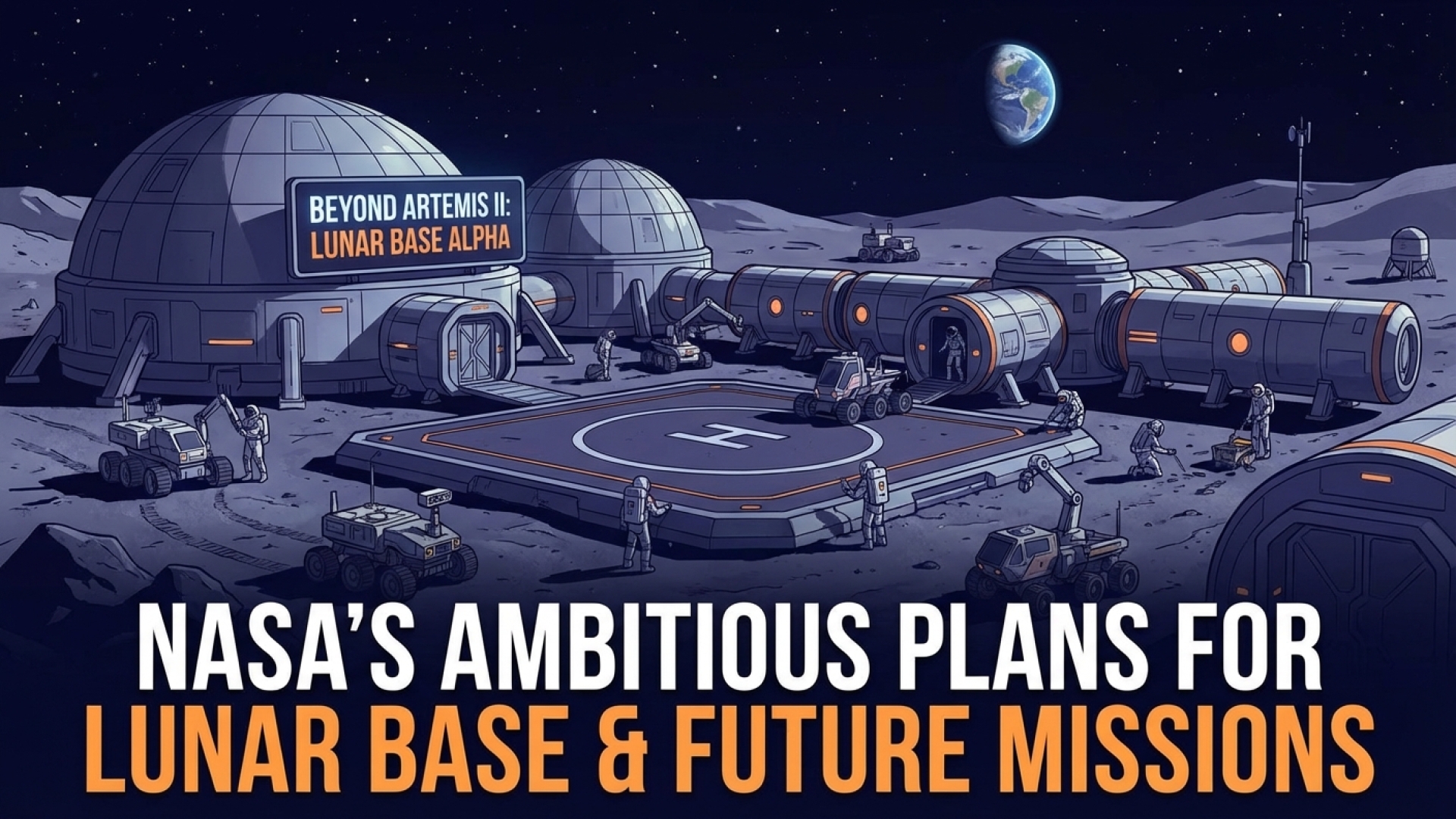
NASA’s vision extends beyond individual landings. The agency is committed to a permanent lunar base, a project with an estimated price tag between $20 billion and $30 billion. Administrator Isaacman has outlined a three-tiered strategy to ensure this investment results in an enduring legacy:
- Technology Validation: Refining reusable transport systems for frequent transit between Earth and the Moon.
- Foundational Infrastructure: Deploying initial structures to provide power, communication, and life support for rotating crews.
- Scalable Habitats: Developing long-duration living quarters equipped with advanced mobility systems for surface exploration.
“The objective is clear: build the foundation for an enduring lunar base and take the next step toward Mars,” Isaacman stated. With robotic missions and equipment deliveries scheduled to begin as early as 2027, the Moon is poised to become the ultimate proving ground for humanity’s eventual journey to the Red Planet.
Reporting by William Strasmore. Based in Western New York, William provides in-depth analysis of regional issues and major scientific milestones impacting the community.
Disclaimer: The content provided by Lake Erie Times is for informational purposes only and should not be considered as professional legal or financial advice. Affiliate Disclaimer: Some links on Lake Erie Times are affiliate links. This means that if you make a purchase through these links, we may earn a commission at no additional cost to you.
Copyright 2025 Associated Press. All rights reserved. This material may not be published, broadcast, rewritten, or redistributed.