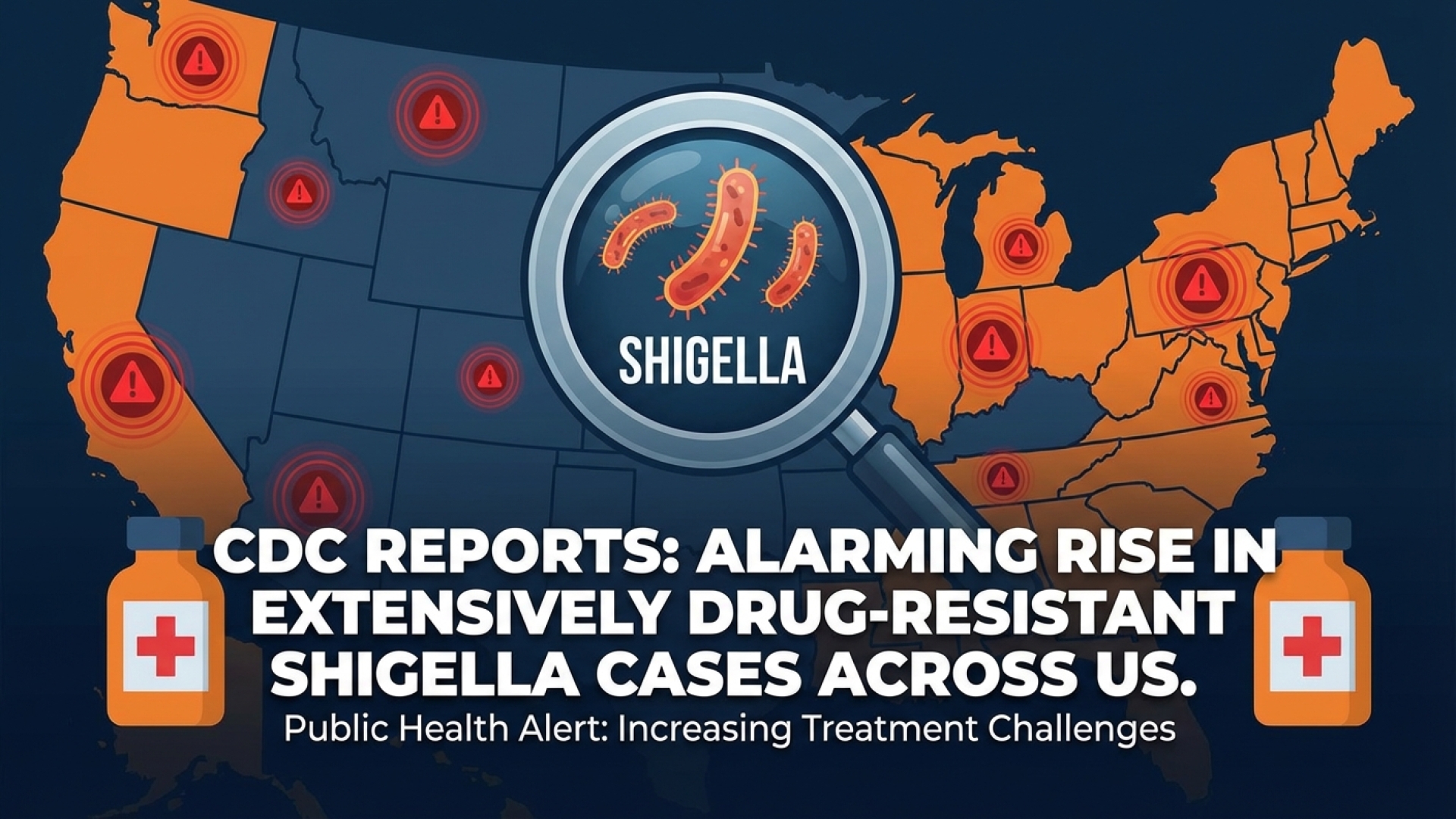
Health officials in Western New York are closely monitoring a recent alert from the Centers for Disease Control and Prevention (CDC) regarding a surge in a highly drug-resistant strain of Shigella. Known as XDR Shigella, or extensively drug-resistant Shigellosis, this bacterial infection is presenting significant hurdles for Buffalo-area healthcare providers due to its limited treatment options and rapid spread.
The Rapid Rise of XDR Shigella
While Shigella has long been recognized as a common cause of severe diarrhea, the emergence of the XDR strain marks a troubling shift in public health. National data reveals that between 2011 and 2015, this specific resistant variety accounted for 0% of reported cases. Fast forward to 2023, and that figure has climbed to 8.5%. With approximately 450,000 total Shigella infections occurring annually in the United States, this percentage indicates that over 36,000 Americans are now battling a version of the illness that conventional antibiotics cannot easily treat.
| Year Range | Percentage of XDR Cases | Estimated Annual XDR Infections |
|---|---|---|
| 2011–2015 | 0% | 0 |
| 2023 | 8.5% | 38,250+ |
Shifting Demographics and Transmission in Western New York
Historically, Shigellosis was viewed primarily as a pediatric concern, often circulating in daycare centers among children under five. However, recent trends analyzed by Lake Erie Times indicate a notable demographic shift. The median age for those diagnosed with XDR Shigella is now 41, with adult men representing the largest demographic affected.
Transmission generally occurs through the fecal-oral route, but investigators emphasize other significant pathways. These include the consumption of contaminated food and close sexual contact, particularly among men who have sex with men (MSM). Furthermore, health reports have identified cases where XDR Shigella appears as a co-infection alongside other bacterial sexually transmitted infections, complicating the clinical picture for local patients.
Risks to Vulnerable Populations and Hospitalization Trends
The rise of drug resistance is especially precarious for Buffalo residents with compromised immune systems, including those living with HIV. For these individuals, the lack of effective oral antibiotics can lead to prolonged illness or life-threatening complications. Severe diarrhea remains the hallmark symptom, but the inability to stop the infection quickly increases the likelihood of systemic issues.
Hospitalization rates underscore the severity of this strain. More than one-third of patients infected with XDR Shigella require inpatient care, placing additional strain on regional medical resources. As William Strasmore continues to track local health department updates, the consensus among CDC scientists remains clear: because treatment options are dwindling, Western New York residents must prioritize hygiene, food safety, and early diagnostic testing to curb the spread.
For more updates on community health and local safety, visit our Community section or follow our Local News coverage.
Disclaimer: The content provided by Lake Erie Times is for informational purposes only and should not be considered as professional medical, legal, or financial advice. For more information, please visit our official website.