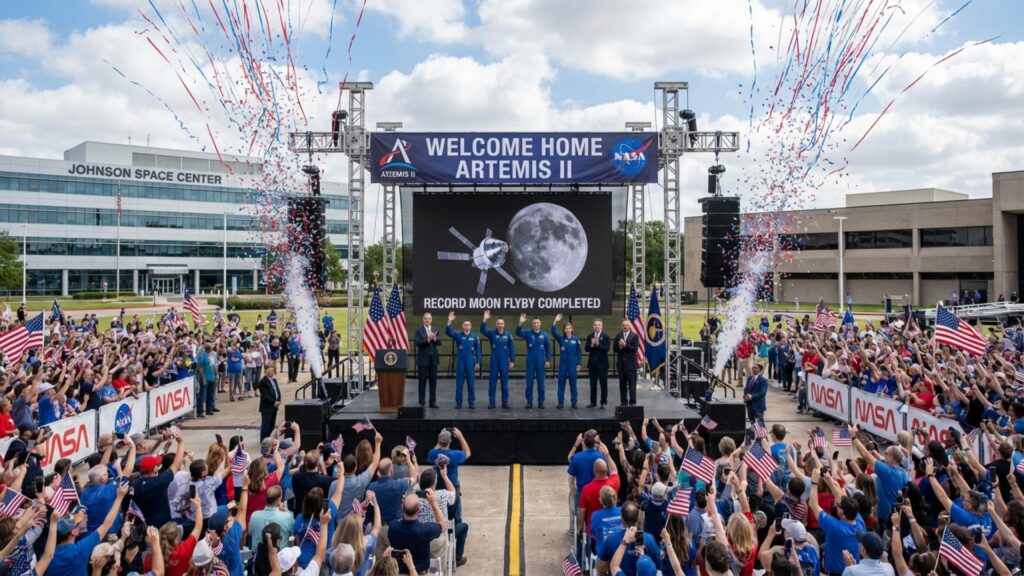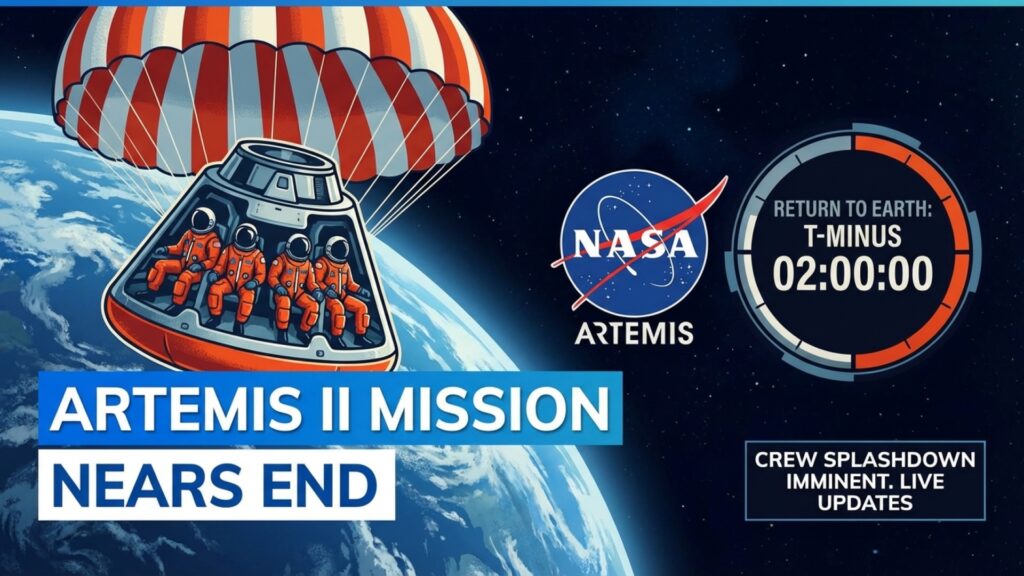
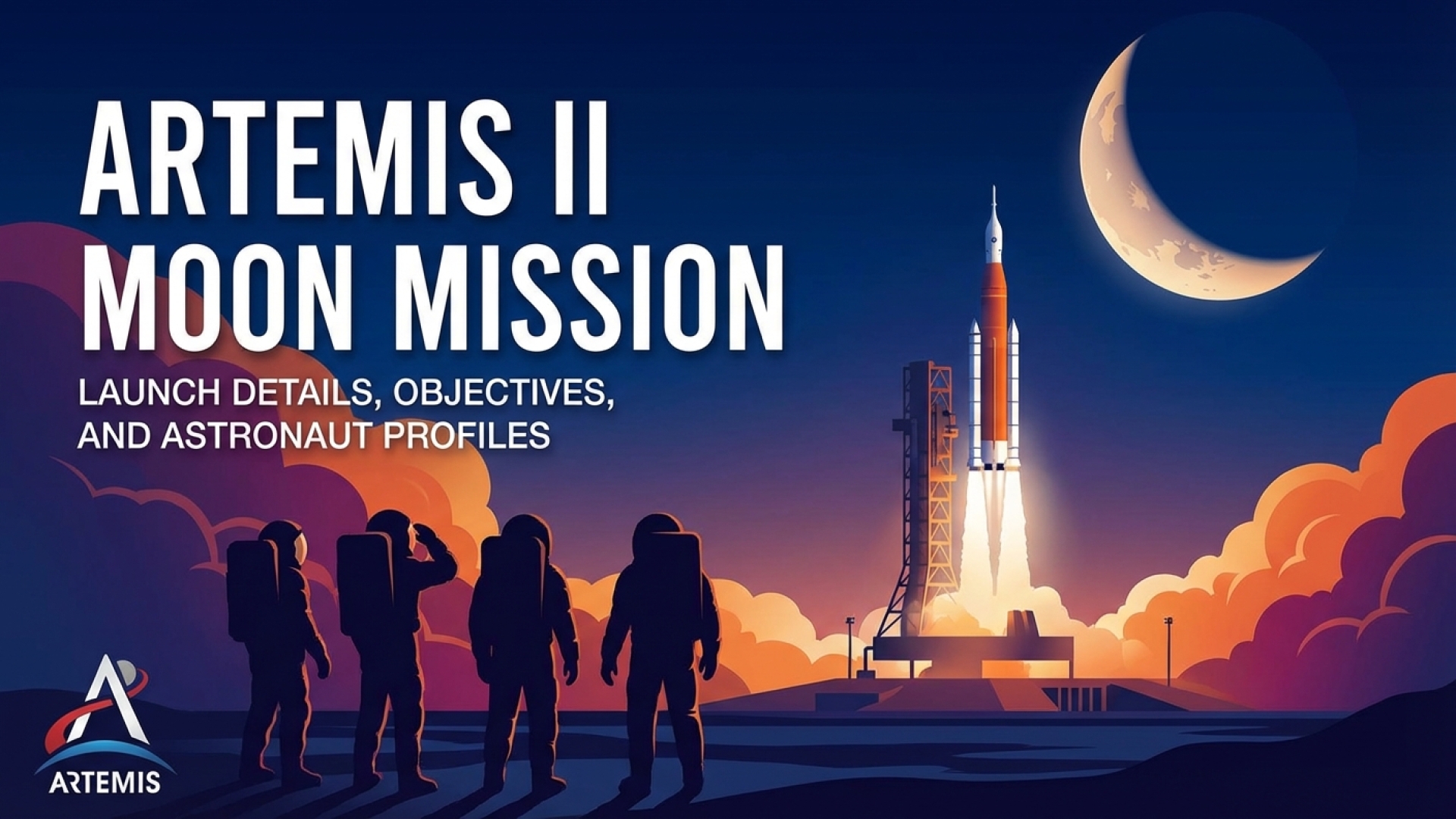
Humanity’s return to the lunar frontier is nearing a historic milestone as NASA prepares for the liftoff of the Artemis II mission. After several strategic delays to ensure spacecraft integrity, crews at the Kennedy Space Center have begun the final preparations for the mission, which is currently scheduled for a Wednesday evening launch. This flight marks the first time in over five decades that a crewed vessel will journey toward the moon, representing a monumental leap for global space exploration and a point of significant interest for the scientific community here in Western New York.
Launch Schedule and Launch Window
The launch window for the Artemis II mission opens at 6:24 p.m. Eastern, providing a two-hour period for the Space Launch System (SLS) to depart. NASA officials have noted that while technical systems are green, weather remains the most volatile factor. In the event of a scrub, backup dates have been reserved later in the month to ensure optimal flight conditions. Our reporting at the Lake Erie Times will continue to monitor these developments as they impact national aerospace benchmarks.
Mission Objectives: The Path to the Lunar Surface
The 10-day mission involves a crew of four astronauts launching from Florida to perform a lunar fly-by. This serves as the definitive flight test for the Orion spacecraft’s life-support systems in a deep-space environment. The mission profile is divided into several critical phases:
- Earth Orbit Demonstration: The first 24 to 48 hours will be spent in high Earth orbit to verify the Orion’s maneuvering capabilities.
- Trans-Lunar Injection: The crew will then travel approximately 230,000 miles to reach the moon.
- Lunar Fly-by: Orion will swing 4,600 miles beyond the far side of the moon, utilizing a “free return” trajectory.
- Splashdown: The mission concludes with a high-speed reentry and splashdown in the Pacific Ocean.
NASA’s trajectory design is notably fuel-efficient, utilizing the Earth-Moon gravity field to naturally pull the Orion capsule back toward Earth after it rounds the moon. This “free return” ensures that even if propulsion systems were to face challenges during the lunar phase, the physics of the orbit would bring the crew safely home.
Meet the Artemis II Crew
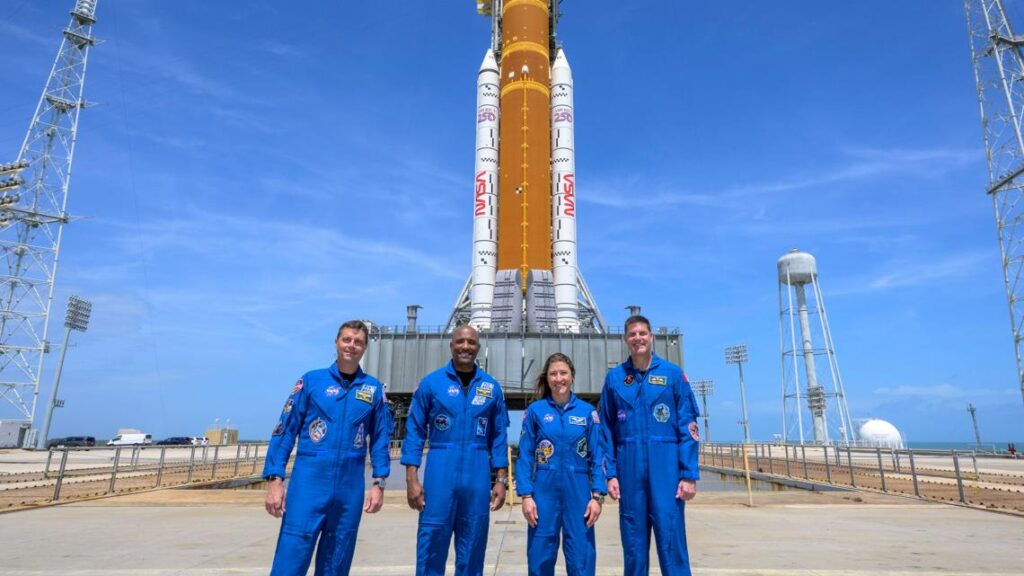
The mission brings together a diverse group of veteran astronauts and specialists. Below is a summary of the crew members who will be piloting this historic journey:
| Astronaut | Role | Agency | Notable Experience |
|---|---|---|---|
| Reid Wiseman | Commander | NASA | Former U.S. Navy Captain; 165 days on the ISS. |
| Victor J. Glover | Pilot | NASA | Pilot of SpaceX Crew-1; four career spacewalks. |
| Christina Koch | Mission Specialist | NASA | Record for longest single spaceflight by a woman (328 days). |
| Jeremy Hansen | Mission Specialist | CSA | Veteran CF-18 fighter pilot; NEEMO 19 aquanaut. |
Commander Reid Wiseman leads the mission with an extensive background in naval aviation and investigative flight testing. Having served as a flight engineer on the International Space Station, Wiseman has overseen hundreds of scientific experiments. Victor J. Glover, acting as pilot, brings vital experience from the SpaceX Crew-1 mission, while Christina Koch continues to break barriers following her participation in the first all-female spacewalk.
Rounding out the team is Jeremy Hansen of the Canadian Space Agency (CSA). Although this is Hansen’s first trip into orbit, his work in extreme environments—including underwater simulations in the Aquarius habitat—has prepared him for the rigors of deep-space exploration.
How to Follow the Launch from Western New York
The Lake Erie Times is committed to keeping the Buffalo and Western New York community informed on major national events that shape our future. You can follow live updates and pre-launch coverage through our community news section. Additionally, NASA will provide a live digital stream of the countdown and liftoff, which will be accessible via our website for those looking to witness history in real-time.
As part of our commitment to quality journalism, please note that some of our coverage may include affiliate links, which support our mission to provide in-depth reporting at no additional cost to our readers. Stay tuned to the Lake Erie Times for further analysis and updates from William Strasmore as the Artemis II mission progresses.
Disclaimer: The information provided by Lake Erie Times is for informational purposes only. For more local insights, visit our Western New York news hub.