Moon’s Hidden Colors: What Artemis II’s Observations Could Reveal About the Lunar Surface
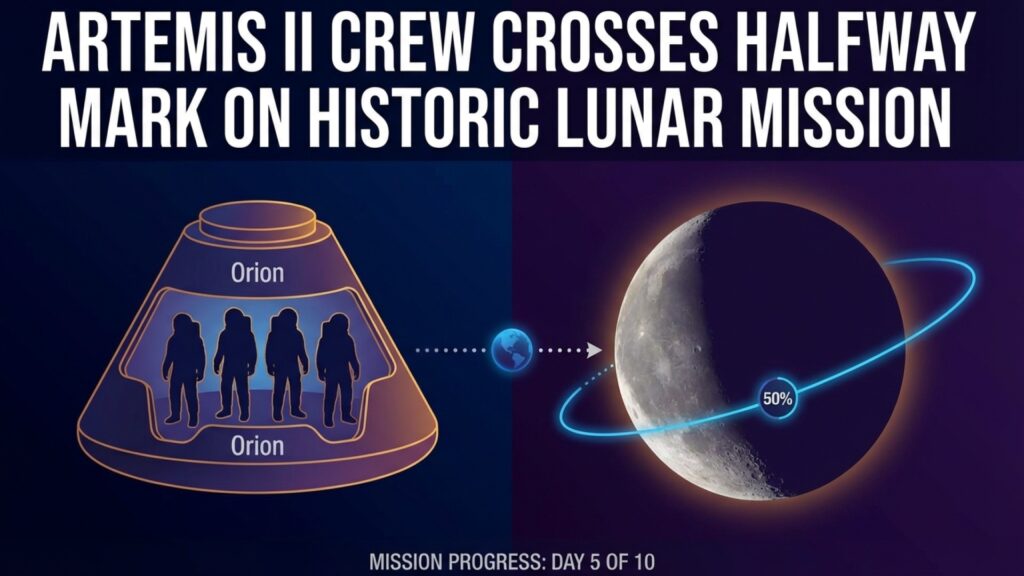
The Artemis II mission has successfully concluded its historic lunar flyby, marking a monumental milestone in human space exploration. For residents of Western New York, a region with a deep-rooted history in aerospace engineering and scientific inquiry, the findings from this mission offer a fascinating glimpse into the evolution of our closest celestial neighbor. As the Orion spacecraft returned to Earth, the data brought back by the crew—specifically regarding the visual spectrum of the lunar surface—is already challenging long-held perceptions shaped by decades of satellite imagery.
Unveiling the Moon’s Hidden Colors
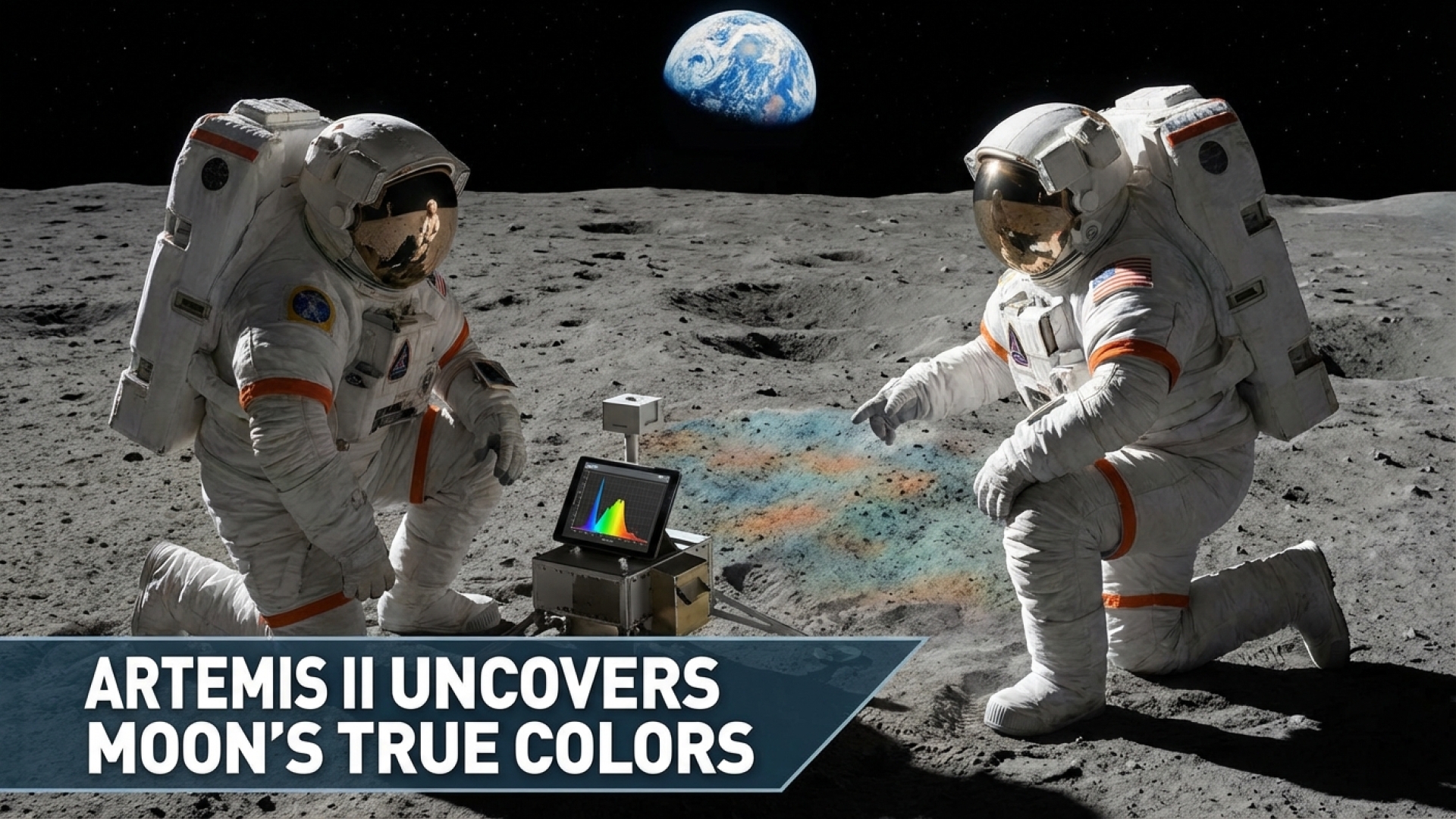
During a critical seven-hour observation window, the four-person crew monitored the lunar landscape from a distance of approximately 4,000 miles. At this range, the Moon appeared with a clarity and scale that satellites simply cannot replicate. While robotic sensors often flatten the lunar palette into shades of gray, the human eye detected a much more complex geological story.
Joel Kerns, NASA’s deputy associate administrator for exploration, highlighted the significance of these visual reports. The astronauts identified distinct green and brownish hues, particularly in the vicinity of the Aristarchus crater. According to Dr. Kelsey Young, the Artemis II lunar science lead, these greenish tones are not merely optical illusions; they are vital indicators of the volcanic evolution and chemical composition of the lunar crust. These observations suggest a more diverse mineralogical landscape than previously mapped, providing Western New York’s scientific community and space enthusiasts with new variables to consider in the study of lunar geology.
The Invaluable Role of Human Observation
While technology continues to advance, the Artemis II mission reinforces a fundamental journalistic and scientific truth: there is no substitute for the nuance of human observation. NASA officials have emphasized that human eyes are uniquely sensitive to subtle variations in texture and color that sensors often overlook. By combining these direct observations with decades of satellite data, researchers can form a more complete and sophisticated understanding of the Moon’s surface features.
This “human element” is what makes the Artemis II mission a turning point. It transitions our relationship with the Moon from cold, data-driven analysis to a more detailed, experiential form of exploration. For an audience that values accuracy and integrity, these first-hand accounts provide the “ground truth” necessary to validate complex scientific theories.
Artemis II: A Record-Breaking Mission
The mission, which launched on April 1 from the Kennedy Space Center, saw the crew venture further into deep space than any humans in history. Surpassing the record set by the Apollo 13 mission in the 1970s, the Artemis II crew has redefined the boundaries of human reach. This journey serves as a precursor to future missions that aim to establish a sustained human presence on the Moon.
| Mission Metric | Details |
|---|---|
| Launch Date | April 1 |
| Crew Members | Reid Wiseman, Jeremy Hansen, Christina Koch, Victor Glover |
| Max Distance from Earth | Surpassed Apollo 13 Record |
| Primary Goal | Lunar Flyby and Surface Observation |
| Key Findings | Observation of green and brown mineral hues near Aristarchus |
As we continue to analyze the findings from this mission, Lake Erie Times will remain your source for in-depth coverage on how these global achievements impact our local understanding of science and technology. The Artemis II mission is not just a win for NASA; it is a step forward for the informed dialogue that strengthens our community’s connection to the broader world—and the stars beyond.
Disclaimer: The content provided by Lake Erie Times is for informational purposes only and should not be considered as professional legal or financial advice.
Affiliate Disclaimer: Some links on Lake Erie Times are affiliate links. This means that if you make a purchase through these links, we may earn a commission at no additional cost to you. Our recommendations are based on careful research and our commitment to quality journalism.