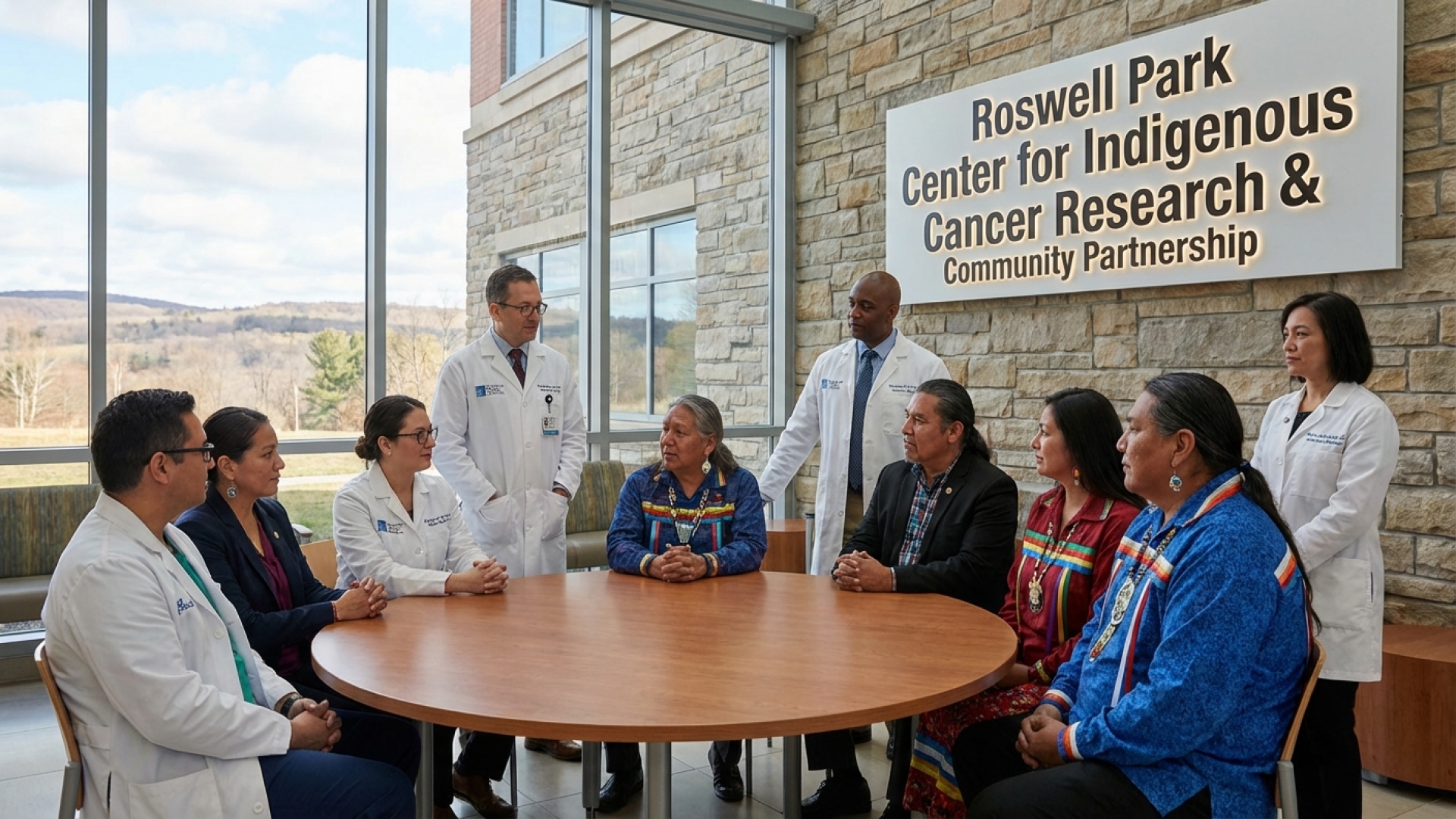
In the heart of Buffalo, a world-renowned institution is quietly leading a revolution in how specialized medical care reaches underserved populations across North America. At Roswell Park Comprehensive Cancer Center, the Department of Indigenous Cancer Health—the first of its kind in the United States—is actively dismantling the systemic barriers that have long separated Native patients from lifesaving treatment. Under the analytical lens of Western New York’s healthcare landscape, this initiative represents a critical pivot in addressing the disproportionately high cancer rates observed within Indigenous territories.
Addressing Persistent Barriers to Cancer Care
For many in the Western New York region and beyond, accessing top-tier oncology services is often hindered by more than just medical logistics. Indigenous communities face a unique trifecta of challenges: significant geographic isolation, a pervasive cultural disconnect, and the lingering shadow of historical trauma. These factors often make large, urban institutional settings feel inaccessible or untrustworthy.
Experts within the department highlight that the discomfort of seeking care outside of one’s traditional territory can lead to delayed diagnoses. This lack of “cultural safety” impacts every stage of the patient journey, from initial screenings to long-term survivorship. By acknowledging these systemic hurdles, Roswell Park is moving beyond traditional medical models to foster an environment rooted in equity and specialized outreach.
Foundational Principles and Haudenosaunee Values
Roswell Park’s mission is deeply intertwined with the geography of our region. The center sits on the traditional territory of the Seneca Nation, and the department’s work is intentionally grounded in Haudenosaunee values. These principles—strength, peace, and the “Good Mind”—guide a strategy that prioritizes genuine connection over clinical detachment.
A key tenet of this approach is the recognition of tribal sovereignty. Leaders within the department emphasize that “Sovereignty is always local,” meaning there is no “one-size-fits-all” solution for the diverse nations across what is often called Turtle Island. By honoring the unique cultural and political identities of each nation, the department ensures that medical interventions respect Indigenous knowledge and self-determination.
Core Initiatives of the Department of Indigenous Cancer Health
The following table outlines the primary pillars of the department’s strategy to bridge the gap between clinical excellence and community needs:
| Program Area | Description & Objectives |
|---|---|
| Patient Navigation | Personalized assistance to help Indigenous patients manage the complexities of the healthcare system. |
| Youth Education | Mentorship programs designed to inspire the next generation of Indigenous doctors and researchers. |
| Clinical Trial Access | Increasing representation of Indigenous populations in cutting-edge cancer research. |
| Behavioral Health | Implementing interventions that address the psychological and environmental factors of wellness. |
| Cancer Prevention | Organizing community-based screenings and educational events in both urban and rural settings. |
The Crucial Role of Trust and Community Connection
According to Assistant Director Josie Raphaelito, the success of these programs hinges entirely on the restoration of trust. The department frequently evaluates the relationship between tribal nations and large health systems, asking how partnerships can be evolved to save more lives while respecting community boundaries.
Program evaluator Nancy Washburn emphasizes that when a community places its trust in an institution like Roswell Park, it carries a profound responsibility. “When they place their trust in us, it means everything,” Washburn notes. This commitment drives collaborations that look beyond the disease itself, addressing the holistic relationship between people, their environment, and their health outcomes.
A Path Forward for Western New York and Beyond
As Buffalo continues to grow as a hub for medical innovation, the Department of Indigenous Cancer Health serves as a blueprint for inclusive care. By blending modern oncology with traditional values, Roswell Park is doing more than treating a diagnosis; it is building a bridge toward a future where healthcare is truly equitable.
For the residents of Western New York and the tribal nations that call this region home, this initiative offers more than just medical services—it offers a path toward healing that respects the past while protecting the future. At Lake Erie Times, we remain committed to covering these vital developments that strengthen the connections within our diverse community.
Disclaimer: The content provided by Lake Erie Times is for informational purposes only and should not be considered as professional medical, legal, or financial advice.