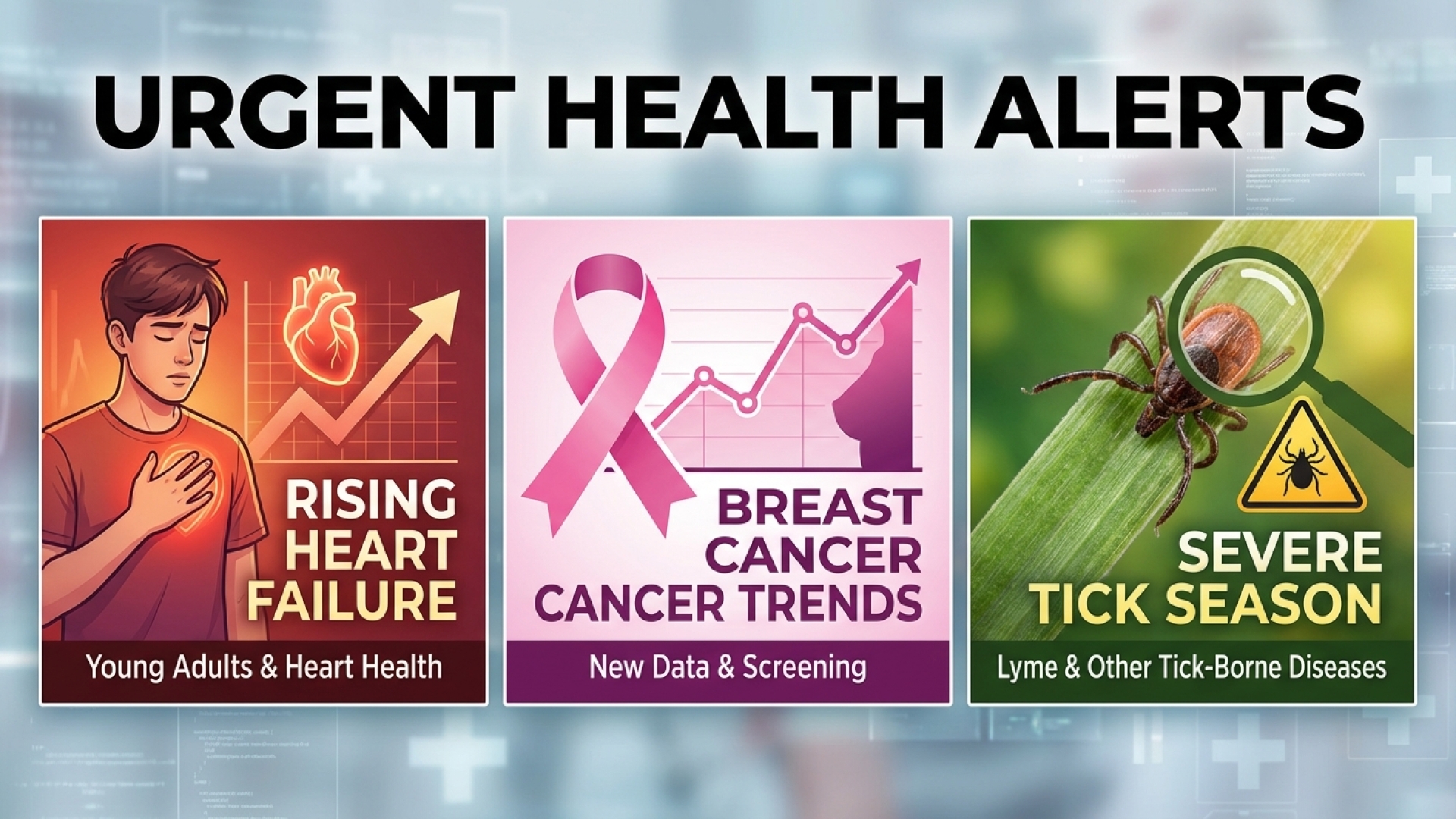
Health officials across Western New York are sounding the alarm on three critical medical trends that demand immediate attention. From a surprising shift in cardiac health demographics to localized environmental risks along the Lake Erie shoreline, residents in Buffalo and the surrounding region are encouraged to move past the “wait and see” approach to their well-being.
Heart Failure Trends Shifting Toward Younger Western New Yorkers
For decades, heart failure was characterized primarily as a condition affecting the elderly. However, recent clinical data and a survey from Orlando Health reveal a troubling disconnect: younger adults are frequently dismissing life-saving warning signs. Symptoms such as chronic fatigue, persistent shortness of breath, or sudden abdominal bloating are being incorrectly attributed to stress, anxiety, or minor viral infections.
In our region, where lifestyle factors like high blood pressure and diabetes remain prevalent, the risk for early-onset heart failure is climbing. Medical professionals emphasize that “heart failure” does not mean the heart has stopped, but rather that it is failing to pump blood efficiently. Identifying this early is the difference between manageable care and a critical emergency.
Commonly Ignored Symptoms
| Symptom | Often Mistaken For… |
|---|---|
| Shortness of Breath | Poor fitness or seasonal allergies |
| Persistent Fatigue | Work-related stress or lack of sleep |
| Bloating/Weight Gain | Digestive issues or dietary changes |
Rising Breast Cancer Rates in AAPI Communities
While the broader narrative surrounding breast cancer often focuses on declining mortality rates, investigative data from the National Cancer Institute highlights a specific, localized concern. Since 2000, breast cancer diagnoses among Asian American and Pacific Islander (AAPI) women under the age of 50 have surged by over 50 percent.
For the diverse communities within Buffalo and Western New York, this data underscores the necessity of personalized screening schedules. Experts at El Camino Health note that early detection remains the most powerful tool in the medical arsenal, boasting a five-year survival rate of nearly 99 percent when the cancer is caught in its localized stage. Residents are urged to review their family medical history and engage in proactive dialogue with primary care providers regarding imaging options beyond the standard mammogram.
Tick Season: Heightened Risks for Lake Erie Residents
The transition into warmer months in Western New York brings more than just outdoor recreation; it marks the start of what may be the most aggressive tick season in recent years. Following a 30 percent increase in emergency room visits for tick-borne illnesses last May, researchers at Johns Hopkins Bloomberg School of Public Health warn that the trend shows no sign of slowing.
In our region—home to dense foliage and popular hiking destinations—prevention is paramount. Tick-borne illnesses, including Lyme disease and Anaplasmosis, can present symptoms anywhere from three to 30 days after exposure. Vigilance is required even if a bite is not immediately discovered.
Essential Protection Protocols
- Pre-Exposure: Utilize EPA-registered insect repellents and consider wearing permethrin-treated clothing when venturing into wooded or grassy areas.
- Immediate Action: Shower within two hours of returning indoors to wash away unattached ticks. Conduct a thorough “buddy check” on children and pets.
- Safe Removal: Use fine-tipped tweezers to grasp the tick as close to the skin as possible. Pull upward with steady, even pressure.
- Post-Bite Monitoring: Watch for the “bullseye” rash, but also be alert for non-visual symptoms like sudden fever, muscle aches, and extreme lethargy.
As part of our mission at Lake Erie Times to keep the Western New York community informed, we encourage readers to consult with healthcare professionals regarding these emerging health trends. This report is for informational purposes and should not replace professional medical advice.
For more local health updates and community news, visit our Community Section.