

While residents in Western New York are primarily focused on seasonal transitions, a significant public health milestone in Southern California is drawing the attention of health officials nationwide. Los Angeles County has reported a record-breaking surge in flea-borne typhus, with 220 cases confirmed last year. According to a detailed report from the County of Los Angeles Public Health, this figure represents the highest number of infections ever recorded in the region’s history.
Analyzing the Surge: A 17.7% Increase
The 220 cases documented in 2025 mark a sharp 17.7% increase over the previous year. For investigative reporters like the Lake Erie Times’ William Strasmore, the most concerning metric is the severity of the outbreak: approximately 90% of those infected required hospitalization. The data reveals that the disease does not discriminate by age, with victims ranging from 1 to 85 years old.
| Metric | 2024 Data | 2025 Data | Percentage Change |
|---|---|---|---|
| Confirmed Cases | 187 | 220 | +17.7% |
| Hospitalization Rate | ~88% | 90% | +2.2% |
| Age Range of Patients | N/A | 1 – 85 Years | N/A |
Identifying the Risks and Symptoms
Flea-borne typhus is a bacterial illness that, while serious, is highly treatable with antibiotics if caught early. For Buffalo travelers or those with family on the West Coast, recognizing the warning signs is critical. Symptoms typically emerge within 7 to 14 days following exposure. Common indicators include:
- High fever and chills
- Severe headache
- Muscle aches and general body pains
- A distinct body rash (typically appearing several days after the fever begins)
Medical professionals urge anyone displaying these symptoms to seek immediate care, particularly if there has been known contact with flea-infested environments or wildlife.
Prevention and Transmission Dynamics
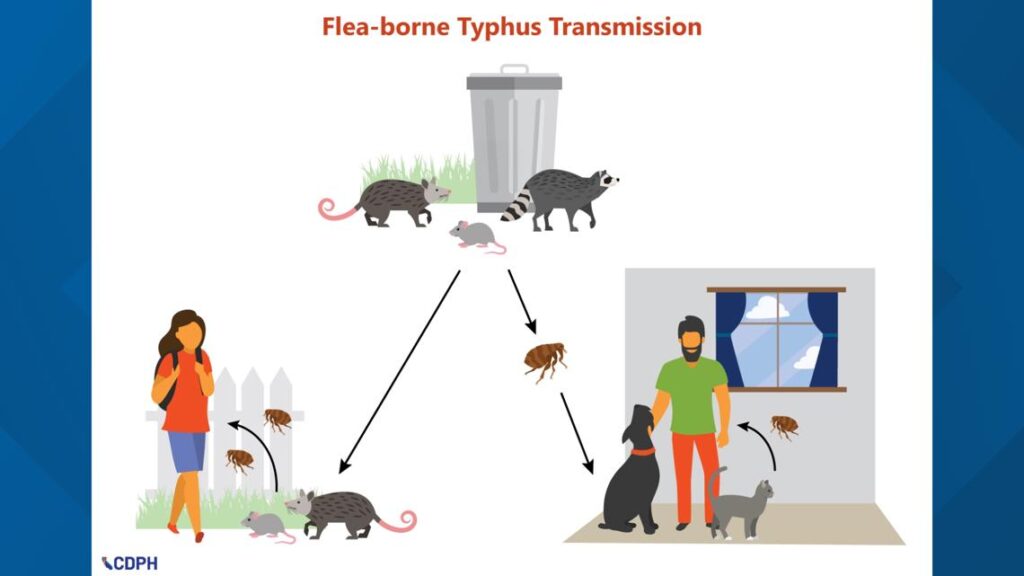
The transmission of typhus is primarily linked to “urban wildlife.” Stray animals, including opossums, rats, and feral cats, serve as hosts for the fleas that carry the bacteria. While humans experience clear physical distress, pets may not always show visible symptoms, making them silent bridges for the disease into the home.
To reduce the risk of infection, health experts recommend a proactive approach to pest management:
- Pet Safety: Maintain year-round flea prevention protocols for all domestic animals.
- Wildlife Deterrence: Keep outdoor trash containers tightly sealed to avoid attracting scavengers.
- Structural Integrity: Block potential entry points in crawlspaces, attics, and porches to prevent rodents and opossums from nesting.
- Avoid Direct Contact: Refrain from feeding or handling stray or wild animals, which are common vectors for the disease.
At the Lake Erie Times, we remain committed to providing our Western New York audience with incisive reporting on health trends that impact our broader community and regional safety. While this outbreak is currently centered in Southern California, the mechanics of vector-borne illnesses serve as a vital reminder of the importance of domestic pest control and public health vigilance.
Disclaimer: The content provided by Lake Erie Times is for informational purposes only and should not be considered professional medical, legal, or financial advice. Some links may be affiliate links; we may earn a commission on purchases made through these links at no additional cost to you.