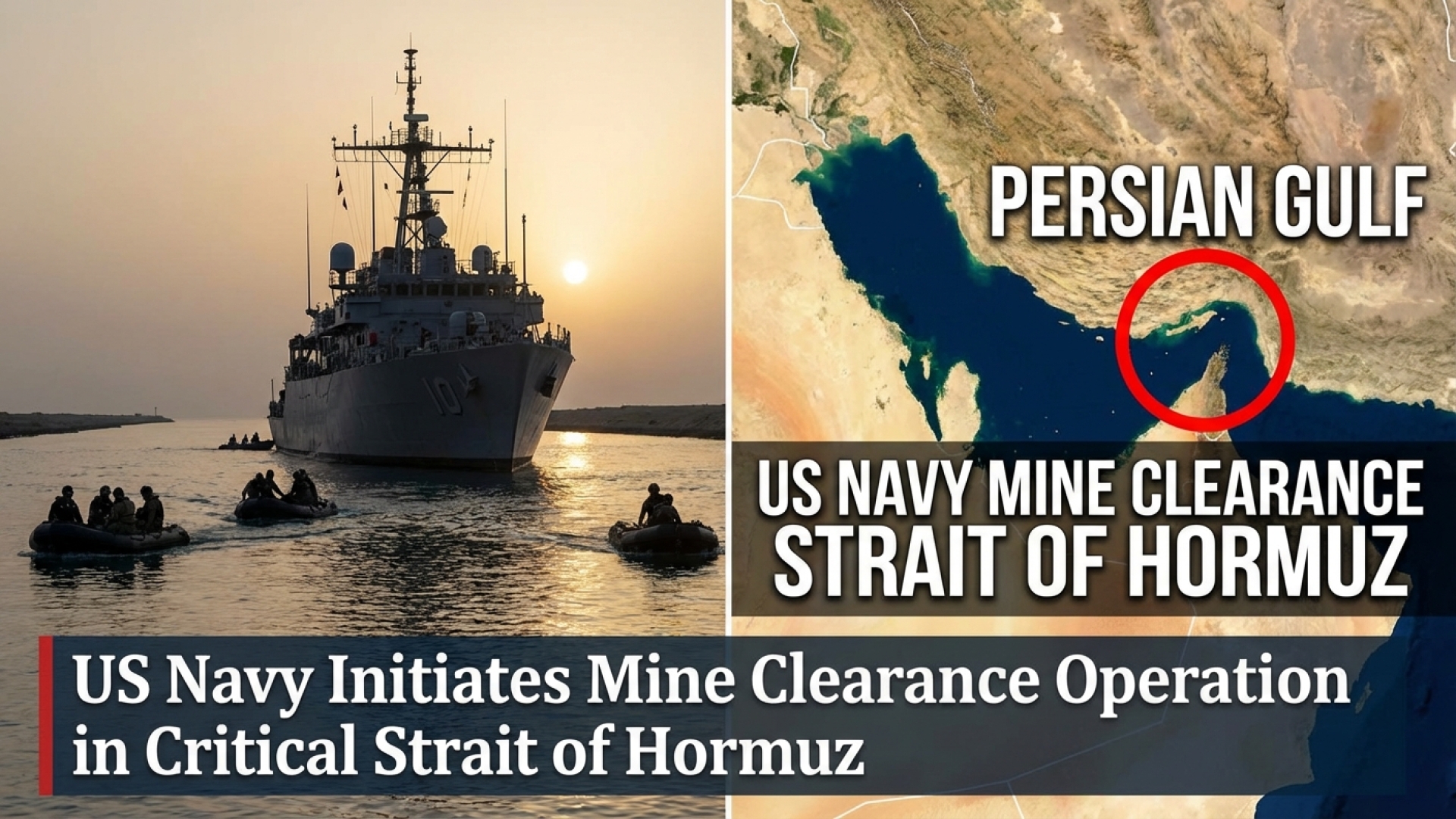
In a high-stakes operation to secure global energy supplies, two U.S. Navy destroyers have commenced a mission to clear sea mines from the Strait of Hormuz. U.S. military officials confirmed on Saturday that this deployment is a direct response to escalating maritime threats that have effectively throttled one of the world’s most critical trade arteries.
Strategic Deployment in the Persian Gulf
The USS Frank E. Peterson (DDG 121) and the USS Michael Murphy (DDG 112) have been tasked with identifying and neutralizing explosives reportedly planted by the Iranian Revolutionary Guard. To ensure maximum safety and precision, the Lake Erie Times has learned that these advanced Arleigh Burke-class destroyers will integrate unmanned underwater vehicles (UUVs) into their sweeping operations.
| Deployment Asset | Type/Classification | Primary Mission Role |
|---|---|---|
| USS Frank E. Peterson (DDG 121) | Guided Missile Destroyer | Mine Countermeasures & Escort |
| USS Michael Murphy (DDG 112) | Guided Missile Destroyer | Pathfinding & Regional Security |
| UUV Units | Underwater Drones | Autonomous Detection & Clearing |
Adm. Brad Cooper, commander of CENTCOM, emphasized the urgency of the situation on Saturday, stating, “Today, we began the process of establishing a new passage. We will share this safe pathway with the maritime industry soon to encourage the free flow of commerce.”
Regional Tensions and Conflicting Reports
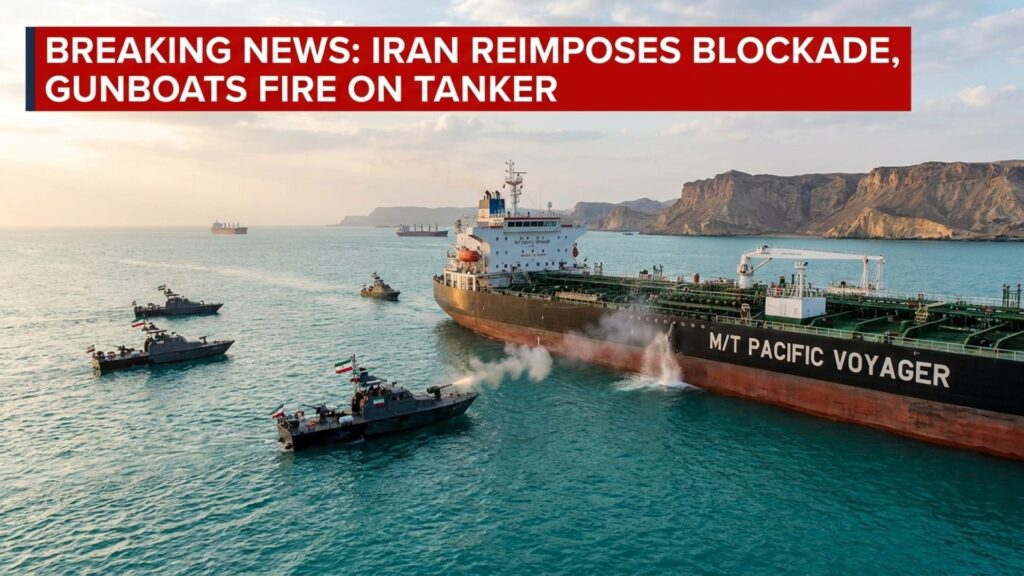
The mission follows reports from Iranian news agencies which last week published charts suggesting the placement of mines within the strait. While U.S. intelligence corroborates the presence of these hazards, Iranian state media has issued denials regarding the U.S. Navy’s clearing efforts. This disconnect highlights the volatile geopolitical environment that has persisted since hostilities escalated in late February.
Why the Strait of Hormuz Matters to Western New York
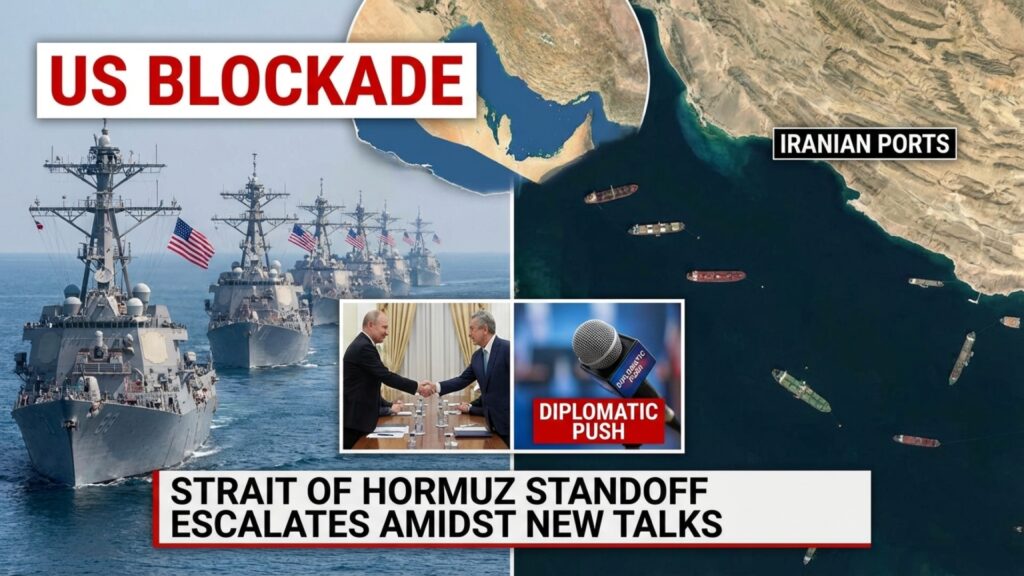
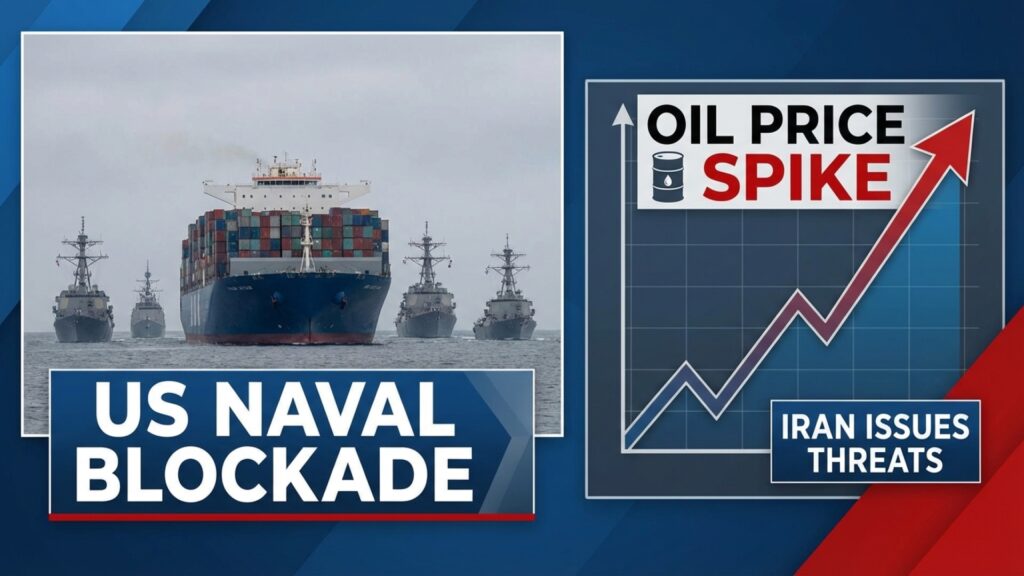
As William Strasmore reports for the Lake Erie Times, the stability of the Strait of Hormuz has a direct impact on the local economy in Buffalo and the broader Western New York region. Approximately 20% of the world’s crude oil passes through this narrow waterway. When traffic drops—as it did in mid-March following threats to commercial shipping—the result is an immediate spike in global energy prices.
For residents in WNY, these disruptions translate to higher costs at the pump and increased overhead for regional logistics and manufacturing. The cessation of passage has already triggered fuel shortages in several nations, placing immense pressure on international negotiators to force a resolution and ease Iran’s grip on the passage.
Navigating the Global Energy Crisis
Though the strait is recognized as an international waterway, Iran’s military presence on surrounding islands allows it to exert significant influence. The current clearing operation is viewed as a vital step in reclaiming the passage for the 100-plus commercial ships that once traversed it daily. Ensuring the safety of these vessels remains the top priority for U.S. and allied forces as they attempt to stabilize a global market shaken by conflict.
This report was filed by William Strasmore, a dedicated news reporter for Lake Erie Times covering community affairs and regional impacts of global events.
About Lake Erie Times: Lake Erie Times is your comprehensive source for the latest news, insights, and stories from Buffalo, New York, and the broader Western New York region. Our mission is to provide accurate, in-depth coverage to foster informed dialogue within our community.
Disclaimer: The content provided by Lake Erie Times is for informational purposes only and should not be considered professional legal or financial advice. Some links on our site are affiliate links; we may earn a commission at no additional cost to you based on our commitment to quality journalism.