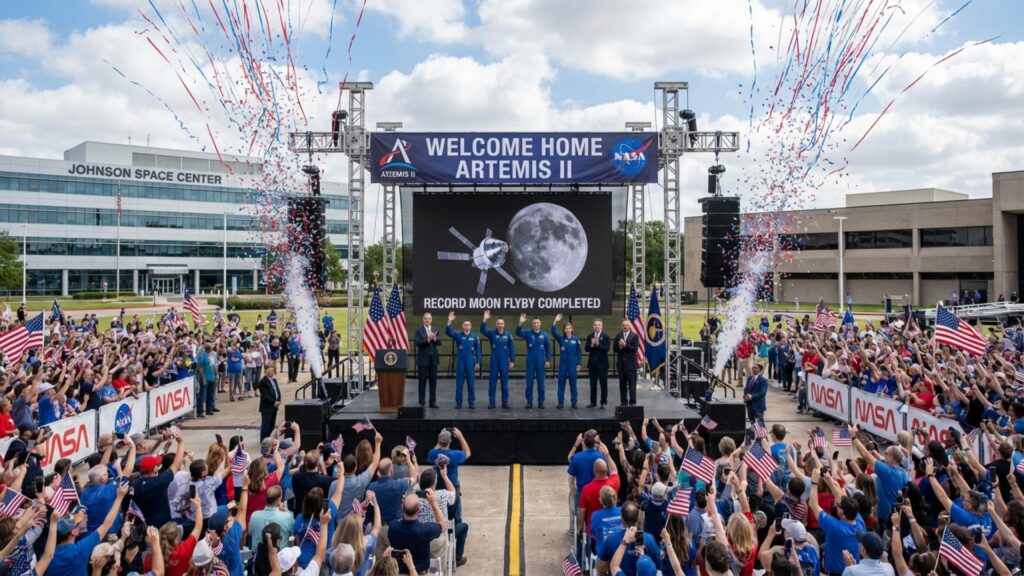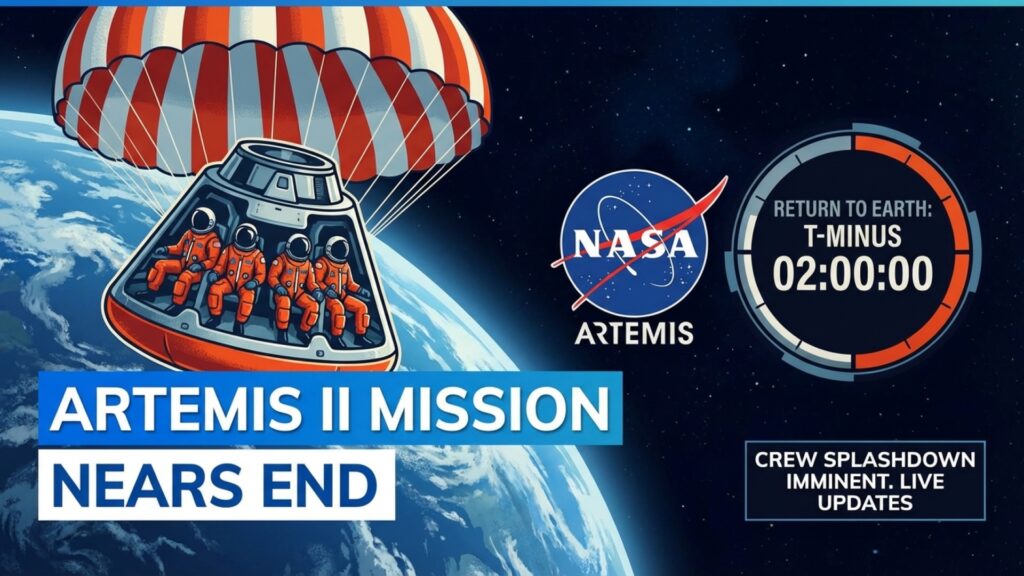
Following the successful conclusion of the Artemis II mission, the landscape of space exploration is shifting from government-led discovery toward a high-stakes commercial frontier. This transition is being spearheaded by private industry players like Iowa-based Vermeer Corp., which has recently unveiled an ambitious strategy to establish the first commercial lunar mining operations. For the aerospace-connected corridors of Western New York, these developments signal a significant shift in how extraterrestrial resources may soon impact global energy and technology markets.
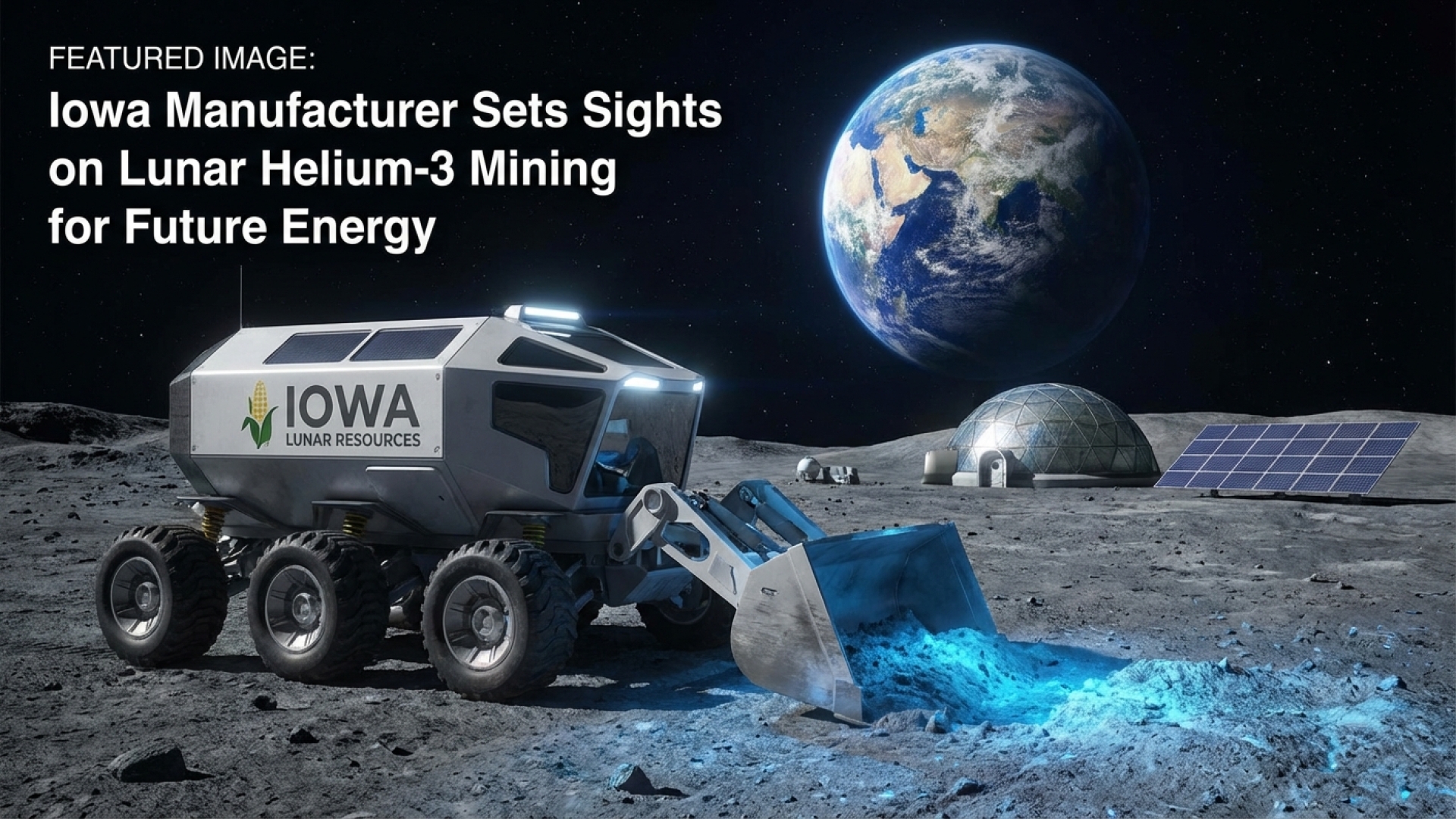
Vermeer Corp. and the Race for Helium-3
Vermeer Corp. is positioning itself as a pioneer in the extraction of helium-3 on the moon. This initiative represents a potential turning point in the “New Space” economy, marking the first time a private entity aims to turn a direct profit from space resource extraction. While the venture is based in the Midwest, its implications for regional manufacturers and the broader scientific community in Buffalo and the Great Lakes region are profound, as the demand for specialized components in extreme environments continues to grow.
The Strategic Value of Lunar Isotopes
According to Vermeer CEO Jason Andringa, helium-3 is among the most precious substances in the known solar system, with a current valuation estimated at roughly $25 million per kilogram. On Earth, this rare isotope is shielded from the atmosphere by the planet’s magnetic field and solar wind patterns. The moon, however, lacks this protection, resulting in vast deposits of the gas embedded within the lunar regolith. This makes the lunar surface a primary target for future energy security.
| Resource | Estimated Value | Primary Use Case | Availability |
|---|---|---|---|
| Helium-3 | $25M / kg | Nuclear Fusion, Quantum Computing | High (Lunar Surface) |
| Water Ice | Variable | Life Support, Rocket Fuel | High (Lunar Poles) |
| Rare Earth Metals | High | Electronics, Manufacturing | Moderate |
Fueling the Next Generation of Technology
The drive to secure this isotope is fueled by its necessity in several critical sectors. Currently, it is essential for high-precision medical imaging and serves as a vital component in the cryogenics required for quantum computing. Most significantly, helium-3 is widely regarded as the “holy grail” of fuel for nuclear fusion. Unlike current fission-based reactors, fusion using this lunar resource could provide a clean, virtually inexhaustible energy source without the radioactive byproduct associated with traditional nuclear power.
Infrastructure and the Commercial Space Boom
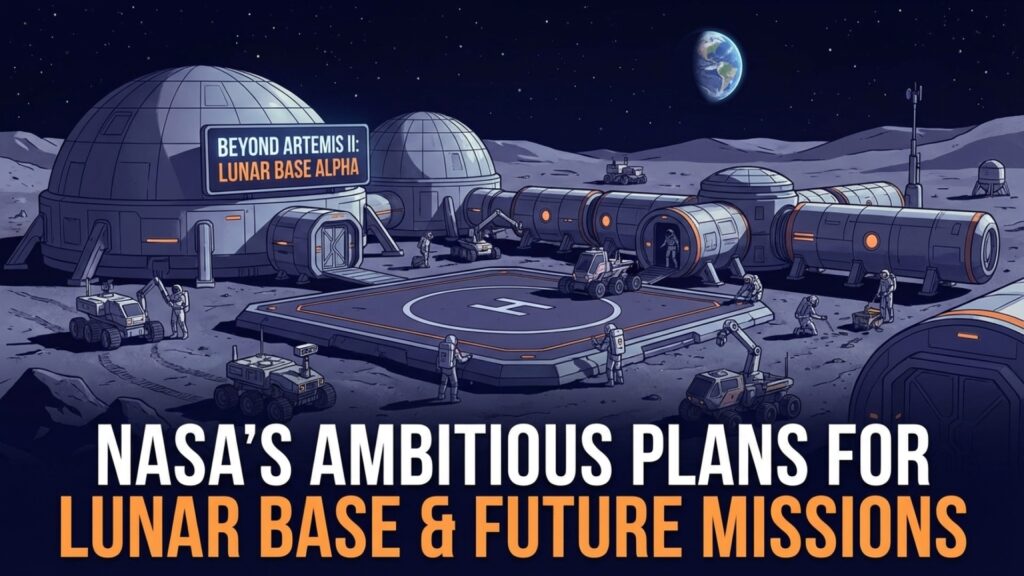
The acceleration of space exploration has naturally gravitated toward commercialization. Experts in STEM innovation note that industry leaders now view the moon not just as a destination for research, but as a hub for lunar infrastructure and space stations. This ecosystem requires more than just mining; it requires advanced logistics, travel capabilities, and a sustained human presence—areas where Western New York’s own aerospace heritage, including firms like Moog Inc. and Calspan, has historically provided foundational expertise.
Timeline to Execution
Vermeer’s roadmap targets the first harvest of lunar helium-3 within the next four to six years. This ambitious window is supported by a new generation of heavy-lift launch vehicles, including NASA’s Artemis architecture, SpaceX’s Starship, and Blue Origin’s New Glenn. By adapting their globally recognized heavy machinery for the vacuum and dust of the lunar surface, Vermeer aims to prove that terrestrial engineering can solve extraterrestrial challenges.
While the logistical costs remain high, the potential to secure a monopoly on such a critical resource underscores the aggressive nature of the current space race. As Western New York continues to foster tech and energy innovation, the developments on the lunar surface may soon dictate the economic trends of the next decade.