As NASA prepares to launch the first crewed lunar mission in over half a century, Western New York residents—living in a region with deep-rooted ties to the aerospace industry—are looking toward the stars with renewed curiosity. While the Artemis II mission represents a pinnacle of human achievement, it also raises practical questions about the economics of space exploration. For the four astronauts selected for this historic journey, the risks are astronomical, but the financial compensation remains grounded in the realities of federal employment.
The Economics of the Astronaut Corps
Despite the high-stakes nature of their work, U.S. astronauts are classified as federal civil servants. Their compensation is governed by the General Schedule (GS) pay scale, the same system that dictates the salaries of thousands of government employees across the country. According to current NASA data for 2024, an astronaut’s annual salary is approximately $152,258. This figure is primarily determined by their base of operations at the Johnson Space Center in Houston, Texas, and their specific grade within the federal hierarchy.
While many assume these elite explorers earn executive-level salaries, the reality is more nuanced. Seniority and experience play significant roles. Most active astronauts are classified as GS-13, typically reaching “Step 7” after a decade of service. However, data from FederalPay.org indicates a broader spectrum, with many astronauts earning between $89,693 and $122,336 per year, depending on their background and military status.
The Canadian Space Agency (CSA) follows a comparable tiered structure. Their compensation model categorizes astronauts into three levels based on training and mission experience. As of 2023, CSA salaries range from $97,100 to $189,600, with the highest tier reserved for those who have completed a space mission.
| Organization | Classification Level | Estimated Annual Salary Range |
|---|---|---|
| NASA (United States) | GS-13 to GS-15 | $89,693 – $152,258 |
| CSA (Canada) | Level I to Level III | $97,100 – $189,600 |
Despite these relatively modest figures compared to private sector aerospace roles, the position remains one of the most exclusive in the world. In 2024, NASA received over 8,000 applications for only a handful of openings. With only 48 active astronauts currently in the corps, the prestige and the opportunity to contribute to humanity’s lunar legacy continue to outweigh financial incentives for the world’s top pilots and scientists.
The Question of Overtime in Orbit
The recent technical complications involving the Boeing Starliner capsule, which left astronauts Butch Willmore and Suni Williams on the International Space Station (ISS) for nine months instead of eight days, sparked a public debate regarding “hazard pay” and overtime. However, NASA’s policy remains rigid: astronauts do not receive extra pay for mission extensions.
NASA clarified that astronauts are compensated for a standard 40-hour workweek, regardless of their location. “They do not receive overtime or holiday/weekend pay,” the agency confirmed. While in space, their basic needs—including specialized nutrition, lodging in the orbiting laboratory, and transportation—are fully covered as part of their assignment, but their base pay remains unchanged even when facing unforeseen delays.
Artemis II: Paving the Way for Lunar Permanent Residency
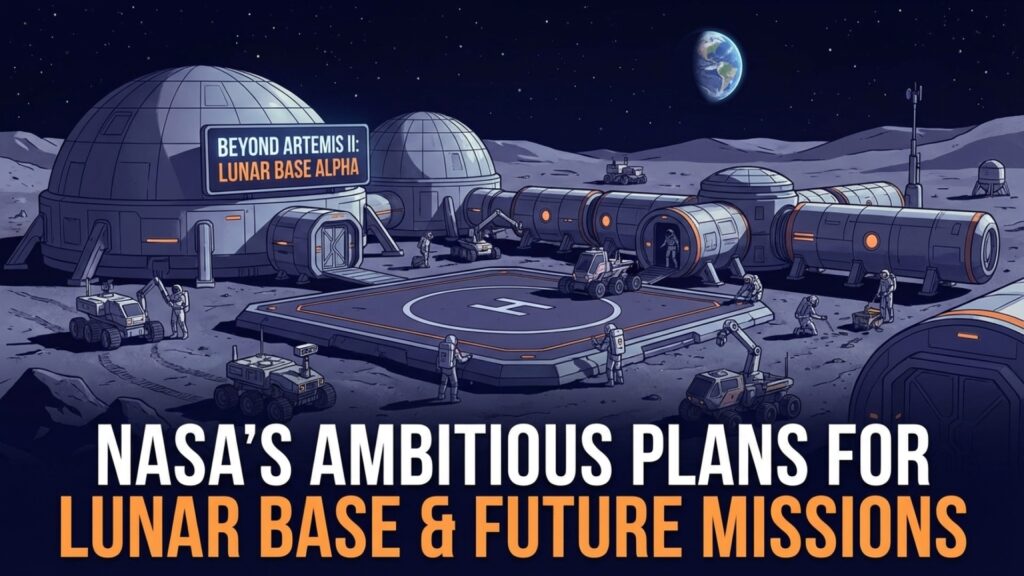
The Artemis II mission represents a pivotal moment for NASA. It will be the first crewed flight to the moon since the Apollo program concluded over 50 years ago. Unlike the “flags and footprints” era of the 1960s, the Artemis program is designed to establish a long-term human presence on the lunar surface, serving as a stepping stone for future missions to Mars.
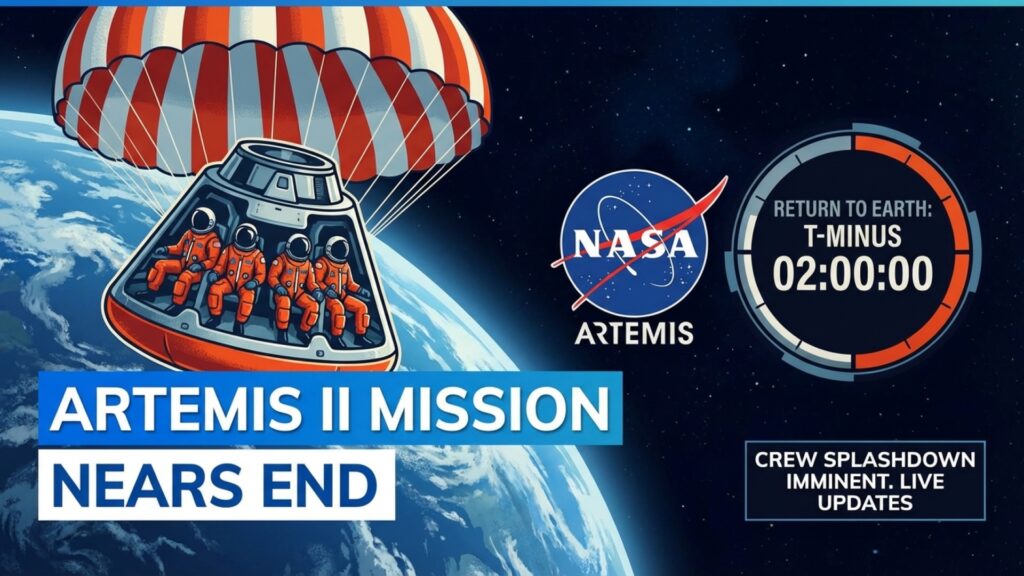
While the Space Launch System (SLS) rocket has undergone rigorous uncrewed testing, the Artemis II mission will be the ultimate test of the Orion spacecraft’s life-support systems. Originally slated for 2024, the 10-day mission has seen delays as engineers prioritize crew safety. When it does launch, the four-person crew will perform a lunar flyby, pushing the boundaries of deep-space exploration further than any mission in modern history.
Meet the Artemis II Crew
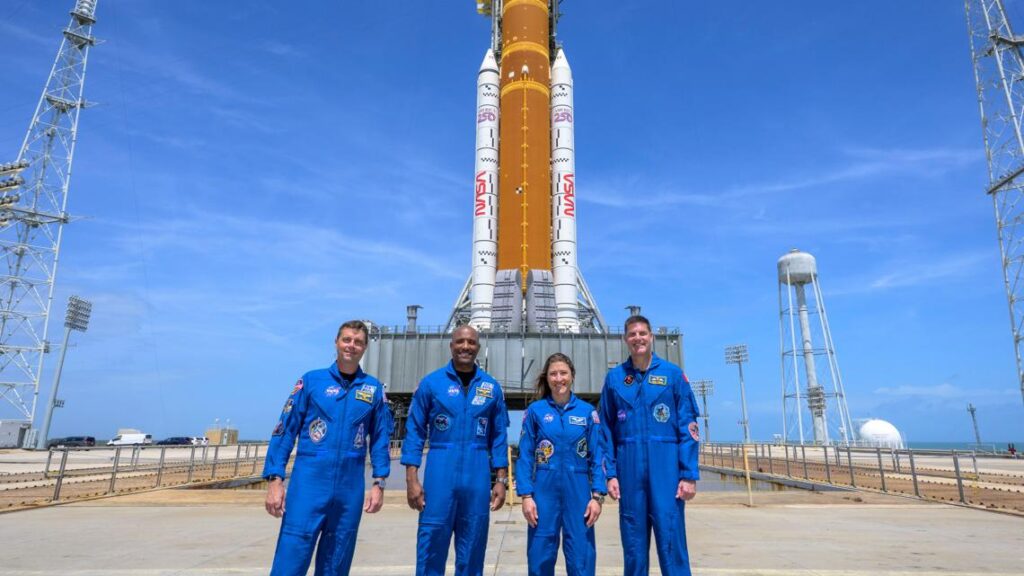
Commander Reid Wiseman
Leading the mission is Reid Wiseman, a former U.S. Navy captain with 27 years of service. Since joining NASA in 2009, Wiseman has spent 165 days aboard the ISS, conducting over 300 scientific experiments. Known for his resilience, Wiseman has balanced his demanding career with the challenges of being a single father to two children following the passing of his wife, Carroll.
Pilot Victor J. Glover
Victor J. Glover will serve as the mission’s pilot. Glover made history as the pilot of NASA’s SpaceX Crew-1 mission in 2020. With 168 days in space and four spacewalks already under his belt, Glover brings critical flight experience to the Orion cockpit. He is a career naval aviator who served as a Legislative Fellow in the U.S. Senate before joining the astronaut corps.
Mission Specialist Christina Koch
Christina Koch holds the record for the longest single spaceflight by a woman, totaling 328 days. An electrical engineer by trade, she was also part of the historic first all-female spacewalk. Her inclusion in the Artemis II crew underscores NASA’s commitment to diversity and specialized expertise in long-duration spaceflight.
Mission Specialist Jeremy Hansen
Representing the Canadian Space Agency, Jeremy Hansen will make his first journey into space on Artemis II. A former fighter pilot, Hansen has extensive experience in mission simulation, including the NEEMO 19 underwater mission. His participation highlights the international cooperation essential to the success of the Artemis program.
For more updates on the Artemis missions and their impact on the Western New York aerospace sector, stay tuned to the Lake Erie Times.