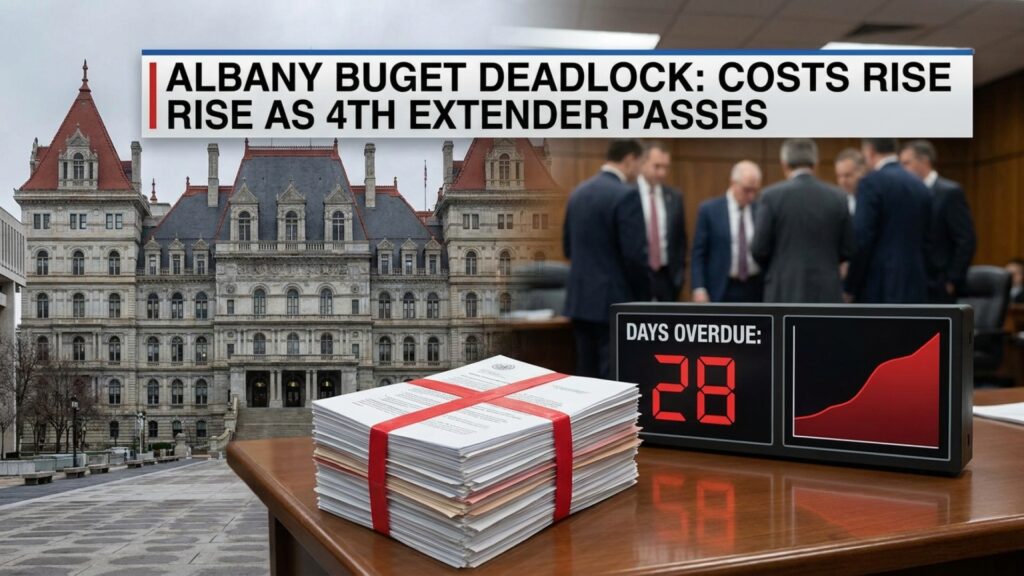
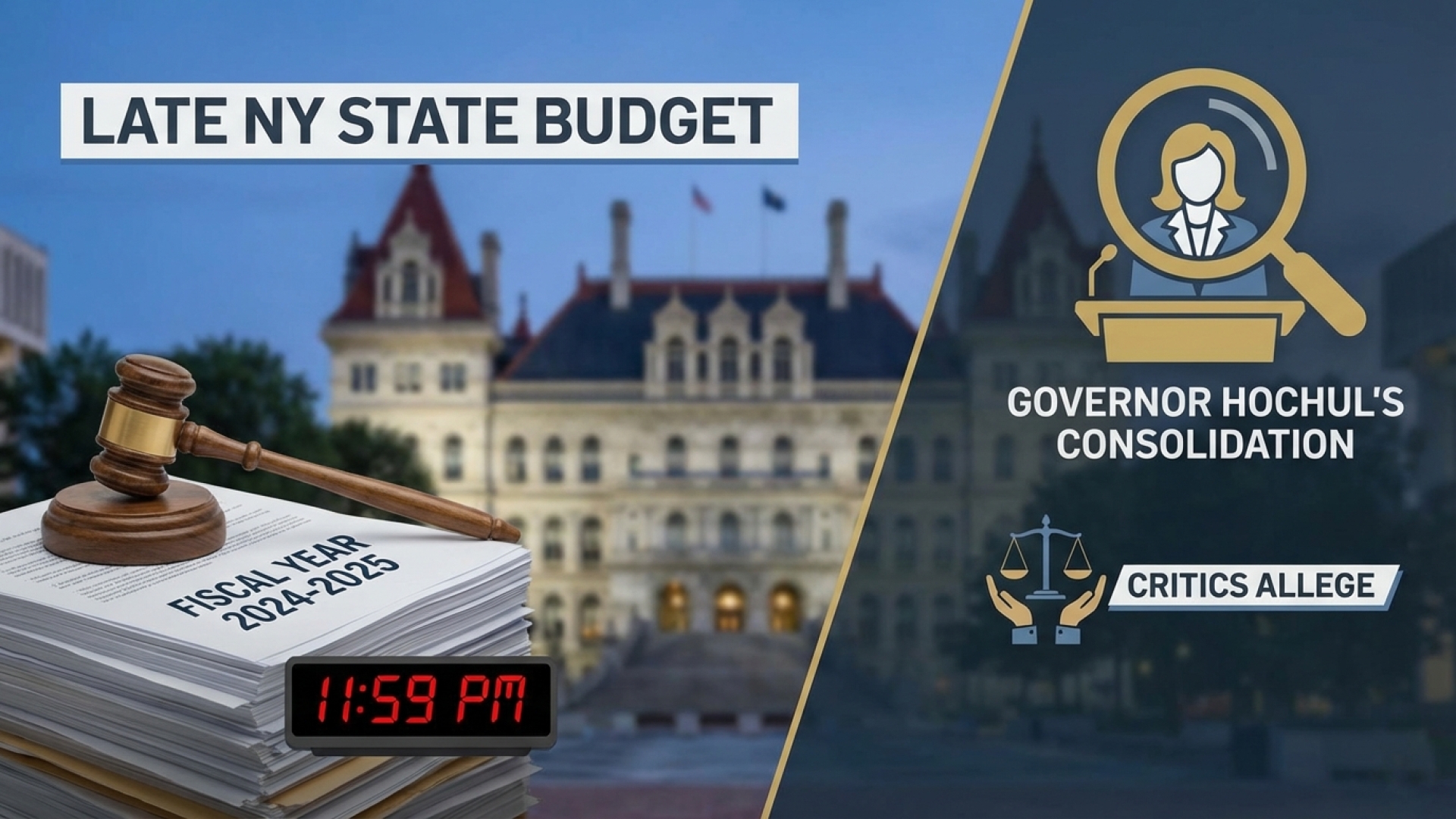
New York State is once again navigating the fallout of a stalled budget, now nearly a week past its constitutional deadline. This represents the fifth delayed spending plan under Governor Kathy Hochul’s administration, a trend that critics argue strategically centralizes power within the executive branch while leaving Western New York representatives with less leverage at the negotiating table.
The Lingering Standoff in Albany
As the deadline passes, the New York state budget remains in a state of flux, drawing sharp rebukes from government watchdogs and local officials alike. To keep the gears of government turning, state lawmakers have relied on budget extenders. While these measures ensure that state employees are paid and essential services continue, they also mask the urgency of the delay. According to Reinvent Albany Executive Director John Kaehny, this practice prevents the public from feeling the immediate “pain” of a shutdown, effectively allowing the opaque negotiation process to drag on indefinitely.
Shifting Power Dynamics: “Three People in a Room”
For decades, Albany has been criticized for its “three people in a room” approach to governance. Analysis from Lake Erie Times indicates that this dynamic has only intensified. Kaehny argues that the pendulum of power has swung decisively toward the Governor, diminishing the legislature’s role as a co-equal branch. With only Governor Hochul, the State Senate Majority Leader, and the Assembly Speaker controlling the discourse for a $260 billion spending plan, the majority of lawmakers—including those representing the Buffalo and Western New York regions—are often sidelined until the final hours.
The Impact of Delayed Negotiations on Democracy
The consequences of these protracted delays extend beyond mere scheduling issues. In his reporting, William Strasmore has noted that the longer a budget is postponed, the less influence “backbenchers” have on the final outcome. This environment often benefits special interests who can exert pressure behind closed doors while public and journalistic scrutiny is stretched thin. Kaehny suggests these late budgets may serve as a deliberate stratagem to consolidate executive control over complex policy shifts that might otherwise face stiffer public opposition.
Key Policy Battles: Auto Insurance and Housing
One of the most contentious issues currently stalling progress is the debate over car insurance rates. Dubbed the “Battle of the Titans,” this conflict pits trial lawyers against massive entities like Uber and major insurance providers. For residents in Erie County, where insurance premiums are a significant household expense, the outcome of these lobbying efforts is critical. Below is a breakdown of the primary policy priorities currently under negotiation:
| Policy Area | Primary Focus | Impact on Western New York |
|---|---|---|
| Affordable Housing | Streamlining regulations and incentives | Aims to increase housing stock in Buffalo and surrounding suburbs. |
| Auto Insurance | Rate adjustments and liability coverage | Directly affects monthly premiums for WNY commuters. |
| Public Safety | Funding for law enforcement and anti-crime initiatives | Critical for local community safety programs. |
| Utility Costs | Controlling price hikes for energy | Vital for managing winter heating costs in the Lake Erie region. |
Pushing for Transparency: The State Budget Transparency Act
In response to the recurring delays, Republican lawmakers have introduced the State Budget Transparency Act. This proposed legislation is designed to end the practice of “overnight votes,” where massive bills are passed before they can be thoroughly read. The Act would require majority approval for “messages of necessity,” a tool frequently used by the executive branch to bypass the standard three-day aging period for bills. The goal is to return a level of accountability to the politics of Albany that many feel has been lost since the pandemic.
The Governor’s Position
Despite the criticisms, Governor Hochul’s office remains firm that the delay is a byproduct of fighting for a better deal for New Yorkers. A spokesperson emphasized that the administration is focused on a budget that prioritizes safety and affordability. Key goals for the Governor include securing robust funding for child care, lowering utility burdens, and implementing a comprehensive housing plan to address the statewide shortage. For Buffalo families, the final details of these programs will determine whether the 2024-2025 budget truly delivers on its promise of affordability.
William Strasmore is a dedicated news reporter for Lake Erie Times in Western New York, delivering in-depth coverage and incisive analyses on local issues and regional politics.
Disclaimer: The content provided by Lake Erie Times is for informational purposes only and should not be considered as professional legal or financial advice.
Affiliate Disclaimer: Some links on Lake Erie Times are affiliate links. This means that if you make a purchase through these links, we may earn a commission at no additional cost to you. Our recommendations are based on careful research and our commitment to quality journalism.